Booked a rental car online? These hidden charges and damage fees can increase your final bill, expert explains
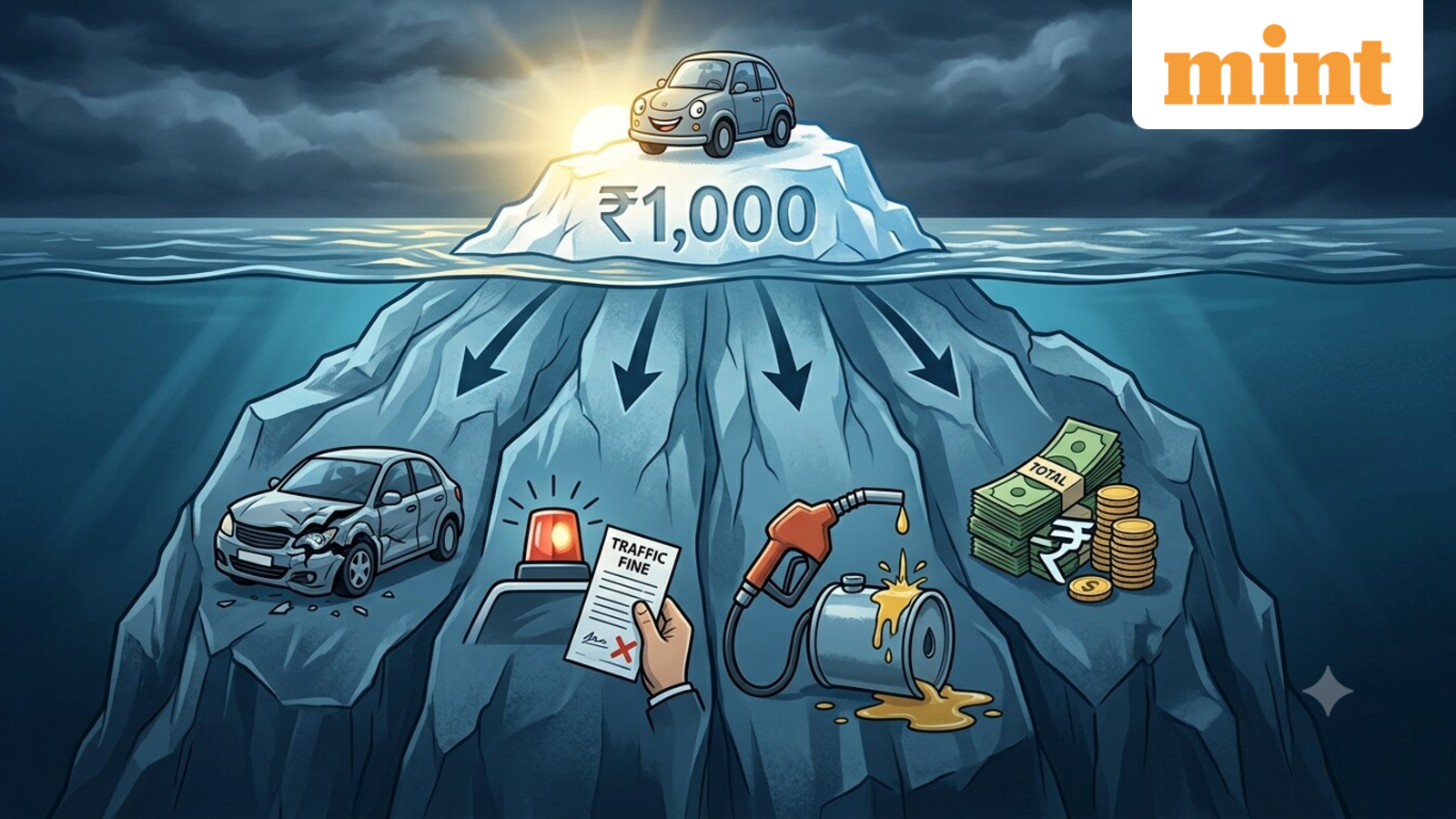
A rental car may appear affordable when you make the booking, but the final amount can be higher if certain charges apply during or after the rental period. Traffic fines, refuelling fees and damage-related costs are among the charges customers may overlook because they are often mentioned in detailed terms and conditions.
Anupam Agarwal, Founder and CEO of Revv, said customers should pay particular attention to charges that apply only in specific situations. These include damage charges that fall outside the scope of a damage waiver, automated e-challans generated during the rental period and refuelling service charges levied by some rental arrangements.
Check what the damage waiver covers
One of the most important things for customers to understand is the difference between the vehicle’s insurance and their own liability as a renter. The vehicle’s insurance governs the arrangement between the insurer and the rental company, while the customer’s liability is determined by the damage waiver offered at the time of booking, Agarwal said.
Customers should check whether the booking has a liability cap and the maximum amount they could be charged if the vehicle is damaged. They should also check whether an additional paid damage waiver can reduce this amount and, importantly, which situations are excluded from the cap.
For example, incidents involving drunk driving are typically excluded from damage waiver protection, he said.
Damage does not always mean a large bill
The amount a customer pays after damaging a rental car depends on the damage waiver and the liability cap applicable to the booking, Agarwal said.
At Revv, minor issues such as small scratches generally do not attract a charge, he said. The company said its approach is to keep damage-related charges low so that concerns about damaging a vehicle do not discourage customers from choosing self-drive rentals.
Customers should nevertheless understand the applicable liability before accepting the vehicle. The exact terms can vary depending on the rental arrangement and protection selected.
E-challans can arrive after the trip
Traffic fines are another cost customers may not immediately associate with a rental booking. Automated e-challans generated during the rental period can be passed on to the customer even after the vehicle has been returned, Agarwal said.
This means returning the car does not necessarily end the customer’s financial responsibility for incidents that occurred during the rental period.
Customers should therefore check how the rental company handles traffic violations and whether any additional administrative charges apply when a challan is transferred to the renter.
Refuelling is another potential cost. Some rental arrangements charge a service fee for refilling the fuel tank in addition to the actual fuel cost.
What if the car you booked is unavailable?
Another issue customers can face is finding that the exact model booked online is unavailable when they arrive for pickup.
Revv said it maintains a buffer fleet specifically to reduce the chances of such situations. If the originally booked car is unavailable and the buffer fleet cannot resolve the issue, the company said it generally offers a comparable vehicle from the same or a similar segment.
For example, a Kia Seltos could be offered in place of a Maruti Grand Vitara. If a comparable model is unavailable, customers may be offered a complimentary upgrade to a higher segment.
If neither option is possible, the customer can choose another available model along with a partial waiver of the booking fee, according to Revv. If the customer does not want an alternative because the originally booked model was specifically required, the company said it offers a full refund.
What customers should check before booking
Before confirming a rental car, customers should look beyond the headline daily rate and check the damage waiver, liability cap, exclusions, cancellation and modification charges, fuel policy and treatment of traffic fines.
These details can determine how much a customer ultimately pays if something goes wrong during the rental. A lower upfront rental price does not necessarily mean a lower overall cost if important charges are hidden in the detailed terms.