Childless Clients Create Estate Planning Opportunity
Most estate-planning frameworks, such as the intake questionnaires, the default clauses and the assumptions baked into how we open a first-client meeting, are built around a client with a spouse to provide for and children waiting to inherit. But for an increasing number of clients walking into our offices, that framework no longer applies.
According to the Pew Research Center, 23% of adults in their 50s and 22% of adults in their 60s have never had children. Nearly half (47%) of child-free adults under age 50 believe they will never become parents. Furthermore, a 2024 Centers for Disease Control and Prevention report indicated the overall U.S. fertility rate has fallen to an all-time low. These statistics suggest that a growing number of Americans don’t have children or grandchildren as natural, predetermined heirs.
Estate-planning practitioners shouldn’t view this demographic shift with fear, but rather as an opportunity to differentiate themselves as legacy protectors for a growing cohort of clients and prospects. Childfree Trust estimates that 70% of adults without children have no legal planning documents, such as a will or power of attorney. According to the Federal Reserve’s 2022 Survey of Consumer Finances, couples without children had a median net worth of $398,960 and an average net worth of $1.87 million.
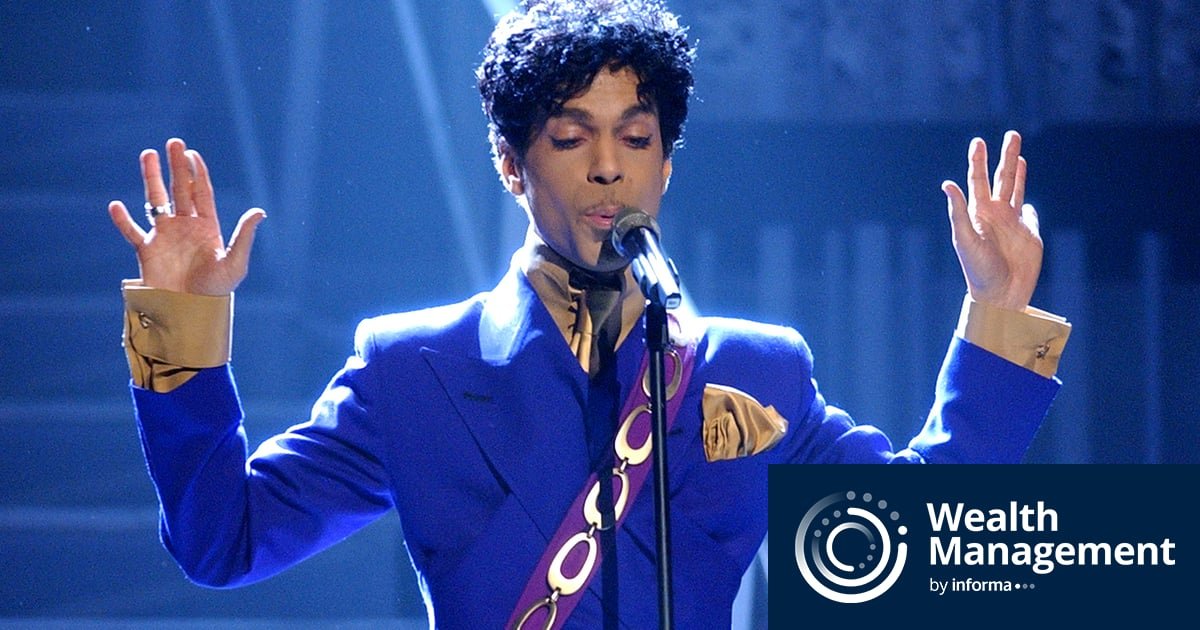
Estate-planning practitioners can step in and emphasize to clients the importance of not leaving the fate of their wealth up in the air. Pop music superstar Prince died in 2016 with no will, spouse or children, and 10 years later, a Minnesota court is still overseeing the distribution of assets following years of litigation.
This is a useful illustration precisely because the underlying facts aren’t unusual; a childless, unmarried individual with substantial assets and no plan. Only the scale and public visibility of the situation were unusual. That’s the case worth putting in front of clients who are inclined to delay putting their wishes and intentions in writing: The absence of a plan doesn’t preserve optionality. It hands the decision to a court applying a formula that was never built with the client’s actual relationships or intentions in mind. Furthermore, no valid plan can leave the client’s estate open to claims by distant relatives and former friends and associates whom the client either doesn’t know well or hasn’t seen in a long time.
For estate-planning practitioners, the deliverable in these engagements isn’t just a technically sound set of documents; it’s ensuring the client understands that silence has a default outcome. It’s rarely the one they’d have chosen.
Extended and Chosen Family
When a client has no children, the question of who inherits their estate doesn’t get simpler; it gets more complex. Clients without a predetermined, natural heir tend to choose to leave their wealth to:
-
Extended family (siblings, nieces and nephews or other relatives with whom they have real relationships, as distinct from the relatives whom intestacy law would typically default to), or
-
Chosen family, including long-term partners and close friends who have functioned as family in practice.
In a traditional plan, an adult child typically fills out POA, health care proxy and executor or trustee designations by default. Without that default, clients need real guidance, not just a blank line to fill in. Extended family members and close friends can serve competently in these roles, but two things need to happen for that to work.
First, the conversation with the prospective fiduciary needs to happen before the documents are signed, not after. They need to understand the scope of what they’re agreeing to, particularly for health care proxy and financial POA, where the obligations can be immediate and demanding.
Second, practitioners should be candid with clients about the practical limits of asking a peer-aged friend or sibling to serve: A same-generation fiduciary carries mortality and capacity risk of their own, which argues for layered successor designations more aggressively than a traditional plan might require.
A professional fiduciary (an independent trustee or corporate executor) is often the more durable answer, and practitioners shouldn’t hesitate to recommend one when the estate’s complexity or the absence of a clearly capable individual fiduciary warrants it. Practitioners shouldn’t think of this as a fallback for clients who “have no one.” It’s frequently the right structural choice for a complex estate regardless of who else is available. Positioning it that way to clients, as a decision about expertise and continuity rather than a last resort, tends to land better than framing it as compensating for an absence.
Charitable Giving as a North Star in Clients’ Plans
For clients without traditional heirs, philanthropy is rarely an afterthought tacked onto the end of a plan. It’s frequently the organizing principle of the plan itself. That makes it worth raising early, not as a residual “if nothing else, give it to charity” clause, but as an affirmative planning question: What causes has this client already supported, formally or informally, and would they want their estate to be a continuation of that?
Practically, this means a broader toolkit is put to real use in these engagements. Donor-advised funds offer a low-friction way for a client to begin directing their giving during life and formalize it at death. Charitable remainder trusts can combine an income stream during life with a philanthropic remainder, which often fits a client who wants to support a cause without giving up current cash flow. Private foundations make sense for clients who want ongoing control and a family- or friend-led governance structure. It’s worth flagging that “family-led” doesn’t require next-generation family in the traditional sense. Foundation boards of directors built around chosen family and trusted colleagues function the same way.
Pet Trusts are Valid Legal Instruments, Not Punchlines
For clients who love their pets and wish to ensure they’ll be cared for after their deaths, or in some cases, feel their pets are their closest family members or friends, pet trusts can put their wishes into action. Pet trusts are a legal tool recognized in all 50 states. For clients without traditional heirs, a pet is frequently a primary emotional priority in their plans, not a sentimental afterthought to be handled with a casual verbal request to a friend.
A properly drafted pet trust names a caretaker, funds the arrangement adequately for the animal’s expected lifespan and names a trust protector or secondary caretaker to guard against the primary caretaker becoming unable or unwilling to serve. Leona Helmsley’s trust for her dog is the pet-trust case most people have heard of, usually as a punchline. But practitioners can reframe the issue for clients: Pet trusts are legally sound instruments that received a lot of media attention because Leona Helmsley’s had poorly constructed funding terms.
If the funding terms are reasonable given the animal’s expected lifespan and food and veterinary needs, pet trusts for clients without children aren’t a joke.
A Worthy Challenge and Growing Opportunity
Estate planning for clients without traditional heirs isn’t a smaller or simpler version of the standard engagement. When done well, it asks more of the client: more reflection on relationships, more intentionality about causes they care about and more care in fiduciary selection. But it also asks more of the practitioner who must build the plan without the scaffolding a traditional family structure would otherwise provide.
That’s more work. But for many of these clients, it’s also the first time anyone has asked them to articulate what they want their legacy to be and who they want to inherit their wealth. As the number of childless Americans increases, estate-planning practitioners have an opportunity to demonstrate significant value to this expanding client demographic by providing the expertise and tools to protect their wealth and legacies and ensure their intentions are honored.