Pilgrimage, wildlife: India’s tourism wave is creating new real estate bets | Personal Finance
India’s tourism map is changing rapidly as new highways, rail links and other transport infrastructure make it easier for travellers to combine multiple destinations in a single trip. At the same time, demand is expanding beyond traditional leisure and heritage tourism to spiritual travel, MICE, wellness, medical, cruise, rural and wildlife tourism.
For investors, this is creating a wider range of opportunities across hotels, resorts, event infrastructure, wellness properties and specialised tourism assets, according to CBRE South Asia’s latest report, Reimagining Indian Tourism: Unlocking the Next Wave of Growth.
The report was released on September 30 at the ASSOCHAM National Tourism Conclave in New Delhi, where CBRE was the knowledge partner. CBRE said the event brought together policymakers, tourism and hospitality companies, investors and other industry stakeholders to discuss the next phase of India’s tourism growth.
Highways are becoming tourism corridors
One of the biggest changes highlighted by CBRE is the way improved road connectivity is reshaping travel itineraries.
The Delhi-Mumbai Expressway, for instance, is linking destinations such as Jaipur, Ranthambore, Sariska and Ahmedabad, creating a broader tourism circuit instead of treating each destination as a standalone trip.
Similarly, the Samruddhi Mahamarg connects destinations including Shirdi, Nashik, Trimbakeshwar and the Ajanta and Ellora caves, while the Bundelkhand Expressway brings Khajuraho, Orchha, Chitrakoot and Jhansi into a connected circuit.
Upcoming projects such as the Char Dham Mahamarg, Shaktipeeth Expressway and Somnath-Dwarka Expressway could further expand the number of multi-destination tourism circuits.
The report also highlighted rail tourism, ropeways and river cruises as additional forms of connectivity opening up destinations that were previously harder to access.
Hotel occupancy crosses pre-pandemic levels
The strengthening tourism demand is already visible in India’s organised hotel market.
According to CBRE, occupancy across India’s organised hotel sector increased to 64.1% in 2025 from 42% in 2021. At the same time, growth in average daily rates (ADR) pushed revenue per available room (RevPAR) above pre-pandemic levels. Leisure destinations are performing alongside major gateway cities. Goa recorded occupancy of 75-80%, while Jaipur recorded 62-67%, according to the report.
Bengaluru stood out on RevPAR growth, recording an increase of 20-25% year-on-year.
The broader hotel market has also been seeing sustained pricing power. Separately, HVS Anarock’s January 2026 hospitality monitor reported that Bengaluru recorded 20-25% year-on-year growth in average room rates in December 2025, supported by corporate and commercial demand.
It is not just luxury hotels
Economy, upper-midscale and midscale hotels account for nearly 60% of India’s branded room stock, according to CBRE.
This suggests that the expansion in tourism is not necessarily translating only into luxury hotels and resorts. As domestic travel expands to smaller cities and pilgrimage destinations, demand for mid-market accommodation could become increasingly important.
Uttar Pradesh provides one example. CBRE said the state’s hotel inventory has increased 18% since 2021, while the share of midscale hotels has risen from 15% to 19%.
Spiritual tourism could reshape property demand
India’s large pilgrimage economy is also becoming increasingly relevant to real estate.
As road, rail and airport connectivity improves, pilgrimage destinations can attract visitors throughout the year rather than only during specific religious periods.
That can generate demand for hotels, serviced accommodation, restaurants, retail and other visitor infrastructure. CBRE’s earlier India market outlook had also identified spiritual tourism as an important hospitality opportunity, projecting more than 9,000 new hotel rooms in destinations of spiritual significance by 2030.
The investment opportunity, however, is not necessarily limited to large hotels. The report points towards a range of accommodation and experience formats as tourism demand becomes more diversified.
MICE and weddings create a different property opportunity
The growth of meetings, incentives, conferences and exhibitions (MICE) and destination weddings is another area changing the hospitality real estate landscape.
Unlike conventional leisure tourism, MICE and wedding demand requires larger event spaces, banquet facilities, conference infrastructure, accommodation and supporting food and beverage facilities.
This creates opportunities in cities that may not traditionally have been regarded as major tourist destinations but have strong corporate, cultural or connectivity advantages.
Wellness and medical tourism add another layer
Wellness and medical tourism are also generating specialised real estate demand.
Wellness destinations can require resorts, retreats and long-stay accommodation, while medical tourism can support hotel and serviced-apartment demand close to major hospitals.
The result is a tourism real estate market that is becoming more specialised, with properties increasingly being designed around specific demand segments rather than simply around the traditional hotel model.
Wildlife lodges could become a high-yield niche
Another segment highlighted by CBRE is wildlife tourism.
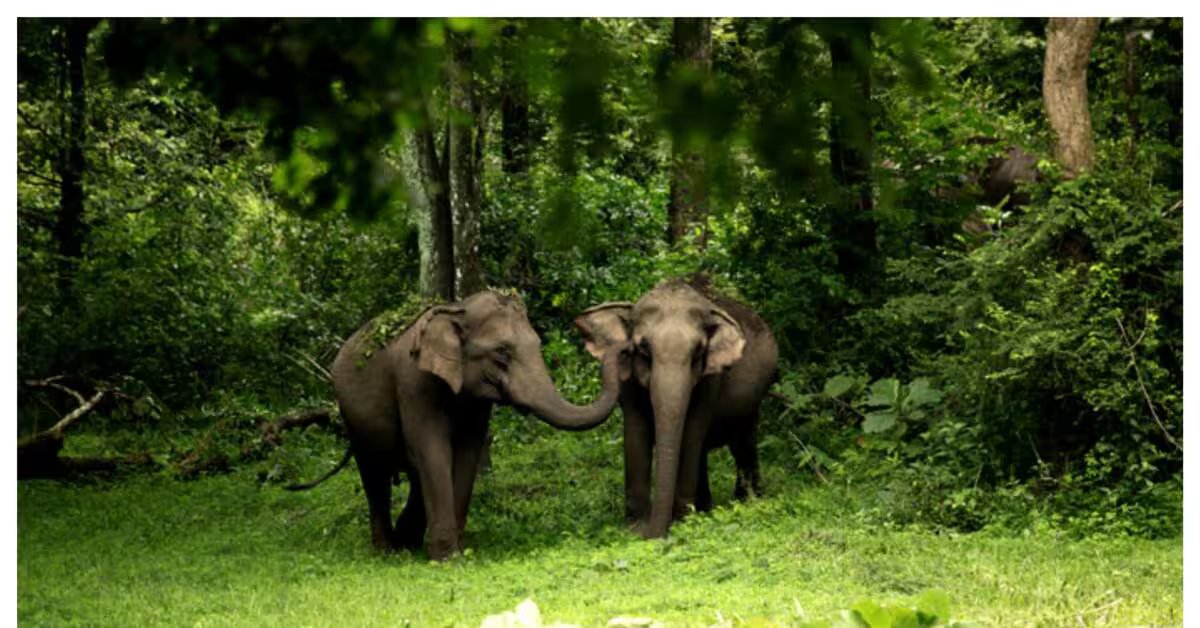
Branded operators are entering destinations such as Ranthambore and Satpura, where demand for high-quality accommodation can coexist with a relatively constrained supply of suitable properties because of environmental and regulatory restrictions around protected areas.
CBRE describes wildlife lodges as a potentially high-yield niche, although the segment also has greater regulatory and location-specific constraints than conventional hotel development.
Rural tourism needs less new construction
Rural tourism presents a different model.
Instead of requiring large-scale new hotel developments, the segment is growing largely through existing housing stock, according to CBRE.
That could allow homeowners, small businesses and local operators to participate in tourism without the capital requirements associated with building a conventional hotel.
Cruise tourism opens up another property market
India’s cruise tourism push could create opportunities beyond ports themselves.
As cruise terminals develop, surrounding areas can see demand for hotels, restaurants, retail, entertainment and other visitor services.
CBRE expects cruise tourism to drive hospitality, retail and food-and-beverage development around port terminals.
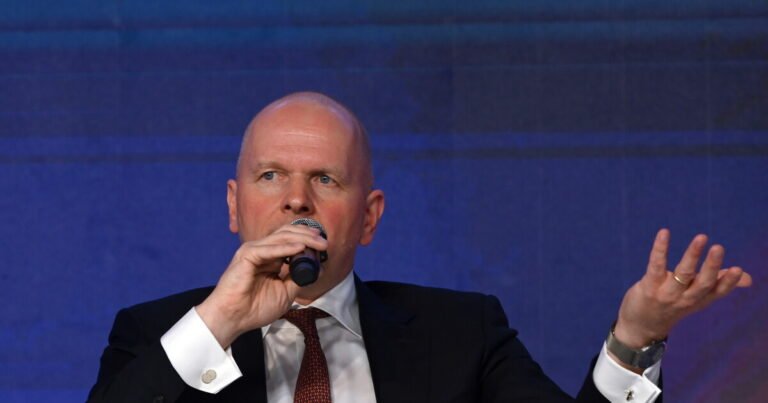
“Connectivity has done a lot of the heavy lifting. Expressways, new rail routes and regional airports have put destinations within reach that weren’t five years ago. The harder part sits at the destination itself — rooms, trained people, and the kind of assets each type of traveller actually needs. But we expect the sector to continue growing with new segments becoming increasingly important,” said Anshuman Magazine, Chairman and CEO, India, South-East Asia, Middle East and Africa, CBRE.
An investor looking at tourism real estate today has a much broader set of potential themes than a conventional leisure hotel:
- Pilgrimage: hotels, budget accommodation, retail and food services
- MICE: convention centres, business hotels and event venues
- Destination weddings: resorts, banquet spaces and hospitality
- Wellness: retreats, resorts and long-stay properties
- Medical tourism: hotels and serviced accommodation near hospitals
- Wildlife: premium lodges and experiential hospitality
- Rural tourism: homestays and converted existing housing
- Cruise tourism: hotels, retail, restaurants and entertainment around ports
The investment proposition, however, varies significantly across these segments. Location, seasonality, connectivity, regulatory restrictions, land availability and the ability to maintain occupancy throughout the year can all affect returns.
“The ASSOCHAM-CBRE report highlights how improved connectivity and emerging segments such as spiritual, MICE, wellness, cruise, rural and wildlife tourism are opening new avenues for growth and investment. To unlock this potential, we must focus on five pillars – Make in India, Ease of Doing Business, MSME growth, the Digital Economy and Sustainability,” said Nirmal K. Minda, President, ASSOCHAM.
“The government has been working with technology companies, airlines and other platforms to strengthen this ecosystem, but greater private-sector participation and partnerships will be important. With the right combination of policy support, technology and investment, tourism can create significant opportunities for businesses, communities and the wider economy,” said Gajendra Singh Shekhawat, Minister for Tourism and Culture.
Here are they key highlights from the report:
- India’s expressway network has begun functioning as a set of tourism corridors. The Delhi-Mumbai Expressway links Jaipur, Ranthambore, Sariska and Ahmedabad; the Samruddhi Mahamarg links Shirdi, Nashik, Trimbakeshwar and the Ajanta and Ellora caves; and the Bundelkhand Expressway brings Khajuraho, Orchha, Chitrakoot and Jhansi into one circuit.
- Upcoming corridors, including the Char Dham Mahamarg, Shaktipeeth Expressway and Somnath-Dwarka Expressway, are set to create further multi-destination itineraries, while rail tourism circuits, ropeways and river cruises are opening up access to new destinations.
- Tourism demand has broadened into spiritual, MICE and destination weddings, wellness and medical, cruise, rural and wildlife segments, each with materially different real estate requirements.
- Occupancy across India’s organised hotel sector rose to 64.1% in 2025 from 42.0% in 2021, with Average Daily Rate (ADR) growth lifting Revenue Per Available Room (RevPAR) above pre-pandemic levels.
- Leisure markets are recording strong occupancy alongside gateway metros, with Goa at 75-80% and Jaipur at 62-67%, while Bengaluru led RevPAR growth at 20-25% year-on-year.
- Economy, Upper Midscale and Midscale hotels account for nearly 60% of branded room stock. In Uttar Pradesh, inventory has grown 18% since 2021, with the midscale share rising from 15% to 19%.
- Wildlife lodges are emerging as a potentially high-yield niche as branded operators enter destinations such as Ranthambore and Satpura, while rural tourism is growing largely through existing housing stock.