ITAT relief on ₹2.47 crore cash deposits: How a Delhi businessman won 10-year tax battle post demonetisation
A Delhi-based pharmaceutical retailer who deposited ₹2.47 crore in cash during demonetisation has recently secured relief from the Income Tax Appellate Tribunal (ITAT), Delhi.
In this case, the tribunal deleted additions made by the tax authorities after finding that the taxpayer had provided documentary evidence supporting the primary source of the deposits.
The case primarily concerns Rakesh Kumar, a resident of Rohini, who deposited ₹2,47,91,057 across three savings accounts with Oriental Bank of Commerce during FY2016-17. This case was decided by the ITAT on July 7, 2026, as detailed in a report by Upstox.
It is an important judgment that provides much-needed clarity for taxpayers on how to disclose cash deposits in their tax filings to avoid tax-related problems later on.
Facts of the case: How Kumar explained the cash deposits
The assessing officer (AO) had treated the entire cash deposit as unexplained under Section 68 of the Income Tax Act, with the amount also attracting the provisions of Section 115BBE. This assessment was completed under Section 144 of the Income Tax Act, 1961, in December 2019. Whereas the Commissioner of Income Tax (Appeals), upheld the additions in February 2026.
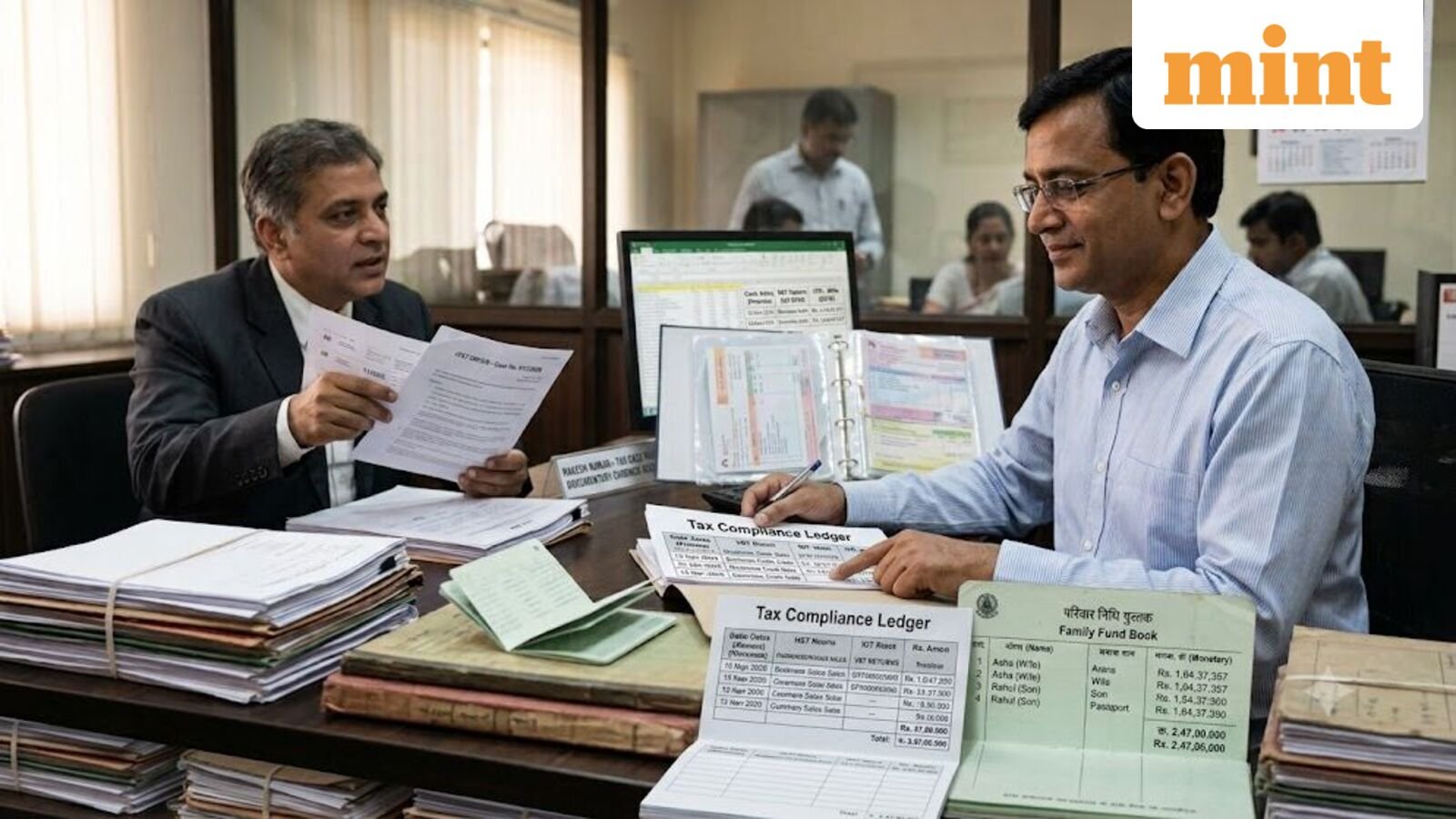
Kumar clarified that ₹1,64,37,357 represented cash sales from his pharmaceuticals business. In order to support this claim, he even submitted the audited financial statements, other details, VAT returns and sample sales invoices.
After reviewing the facts of the case, the ITAT noted that the lower authorities had neither found defects in these records nor rejected the books of account under Section 145. It therefore accepted the clarification that was provided and deleted the addition relating to the business cash sales.
Tribunal also accepts family funds explanation
Furthermore, the remaining ₹83.7 lakh comprised cash withdrawn and redeposited, personal savings, and ₹72 lakh received from family members, including his wife, brother’s wife, brother, daughter and son.
Kumar submitted their income tax returns and details, declarations, and bank details to establish the availability of funds. In this case as well, the tribunal found that the evidence had not been effectively disapproved by the tax authorities, which is why it deleted the remaining addition.
5 key takeaways for taxpayers
This is a ruling that highlights the importance of:
- Maintaining a clear documentary trail for substantial cash transactions.
- Keeping digital and physical records of important documents.
- Audited account details, old sales records, past tax returns, and invoices can all play a critical role in helping with future tax filing.
- Having clarity on the latest legal provisions governing individual cases.
- Seeking proper tax and legal advice is in need instead of taking steps
Focusing on all the above aspects can go a long way toward helping an individual file their taxes properly without any delays, hassles, or doubts later on.
Still, it is important to keep in mind that this ruling is based on a specific set of facts and evidence. It should not be treated as a blanket exemption for unexplained cash deposits because the facts, timelines, legal provisions, and other factors involved in each case differ. Taxpayers, on their part, should maintain proper records and seek professional guidance where necessary.
Disclaimer: This article is for informational purposes only and does not constitute legal or tax advice. Readers should consult a qualified tax or legal professional for advice specific to their circumstances.