Canada on the cusp of investment surge, NBF’s Marion says

By Erik Hertzberg
(Bloomberg) — National Bank Financial’s chief economist sees Canada starting to take business investment seriously after a decade of what he calls “stagnant” growth, and is forecasting a surge in foreign capital.
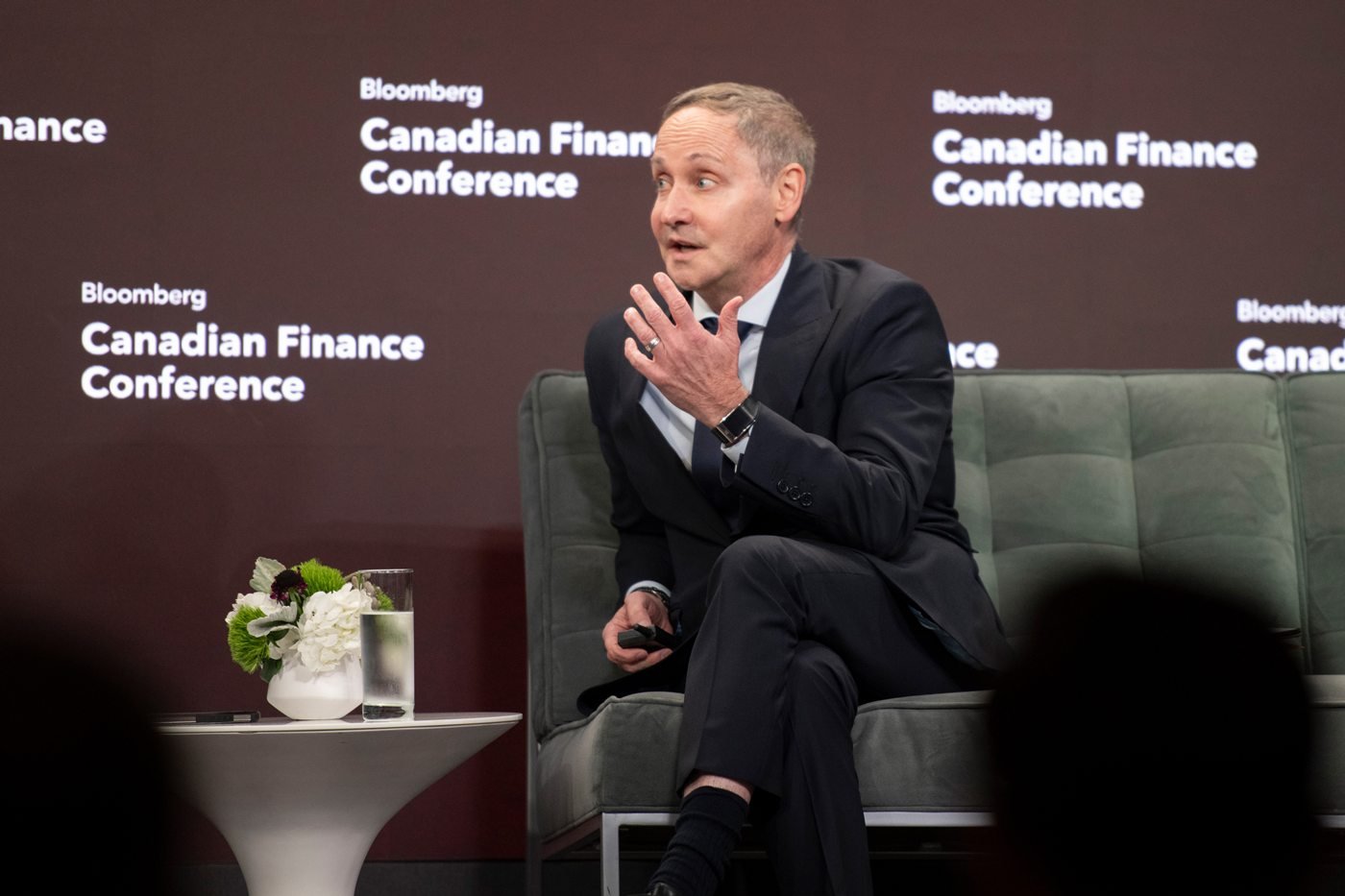
Stéfane Marion — who even donned a baseball cap with a logo that stands for “Make Canada Investable Again” at one point — spoke at the Bloomberg Canadian Finance Conference on Tuesday in New York.
Marion was sanguine about the country’s growth prospects, even amid slowing population growth and an escalating trade war with the US.
“I’m the most optimistic I’ve been on growth prospects in over a decade because I think we’re writing a new chapter on business investment,” he said.
Marion said Prime Minister Mark Carney’s government’s plans to develop major projects, reduce regulations, cut taxes and boost competition are a major reassurance after a decade of sluggish business investment.
“We can now exploit our comparative advantages,” Marion said, pointing to the country’s relatively inexpensive natural resources, including natural gas and electricity. Amid the artificial intelligence boom, that makes Canada an attractive trade partner, which can also help contain costs in other countries.
Marion also sees an eventual resolution of the trade tensions with the US, saying the trading relationship between the two countries isn’t “going away anytime soon.”
“We’re part of the solution to allow the U.S. to enjoy lower inflation if we work in partnership with them.”
Foreign investors have already poured record amounts into Canadian government bonds as federal issuance has ramped up. But Marion says the bigger prize is attracting long-term capital directly into businesses and projects.
“The holy grail of capturing durable investment in the country is foreign direct investment. And we haven’t done so well on that front over the past decade,” he said.
Carney recently hosted the world’s biggest money managers in Toronto for the inaugural Canada Investment Summit, and soon after he unveiled marquee economic legislation to shorten federal permitting times to one year and curb the risk of labour disputes.
Marion also sees the lack of investment in recent years as having worsened regional divides in Canada, and he’s hopeful that Carney’s recent actions — including supporting a new Alberta oil pipeline and expanding Quebec’s electricity capacity — will keep separatism at bay.
“I think the referendum fears right now are just resentment for the past 10 years,” Marion said. “Ottawa got the message recently and by deploying these new policies, there’ll be a lot less frustration,” he said.
The Bank of Canada next sets rates Oct. 28, and the current key policy rate is 2.25%. Traders in overnight swaps put the odds of a hike at about a coinflip for next month’s meeting, but are pricing 100 basis points of hikes by June.
Marion expects the central bank to raise rates next year, largely because of the fiscal push and a potential resolution of trade tensions with the U.S. He said the Canadian investment boom could create a different problem for monetary policymakers: stronger demand and inflation pressures.
“The key reason why I see the Bank of Canada raising rates next year is not so much about the second round effects of the energy prices or the energy shock,” he said. “It’s more about the deployment of fiscal policy that might be more inflationary than previously assumed.”
©2026 Bloomberg L.P.
Visited 171 times, 13 visit(s) today
bloomberg Dashboard economic news National Bank national bank of canada nbc Stéfane Marion Stefane Marion
Last modified: September 29, 2026