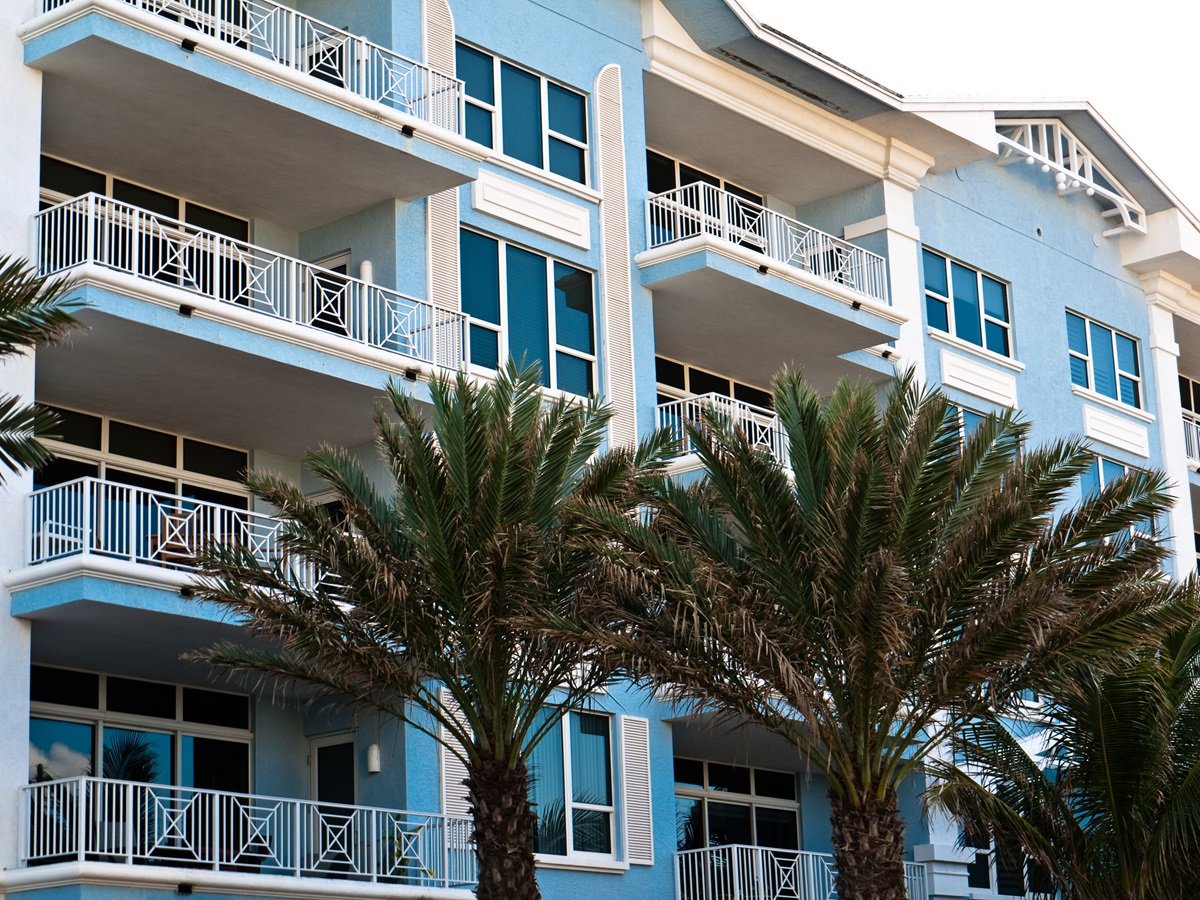
Tighter Condo Financing Rules Add New Hurdles for Buyers and Sellers
The residential condominium market has experienced considerable challenges in recent times, and forthcoming regulatory modifications scheduled to take effect between the present and early 2027 are anticipated to introduce additional complexities to the transaction process.
Fannie Mae and Freddie Mac, the preeminent mortgage institutions that facilitate approximately 70% of the mortgage market, are implementing more stringent underwriting criteria for condominium financing. The expedited review procedures that previously enabled numerous highly qualified purchasers to obtain mortgage approval following a superficial assessment of the financial and structural conditions of condominium properties were discontinued in the preceding month, replaced by comprehensive evaluations applicable to all but the most modest residential buildings.
Further, commencing in January, Fannie Mae and Freddie Mac will mandate that condominium associations maintain a minimum reserve allocation of 15% of their assessment revenue, representing an increase from the current 10% requirement.
These financing modifications constitute a component of a comprehensive initiative designed to enhance condominium safety standards following the catastrophic structural failure of an aging residential building in Surfside, Florida, in 2021. Nevertheless, they represent an additional impediment within a marketplace already characterized by declining valuations, expanding inventory levels, and heightened purchaser apprehension regarding special assessments and recurring monthly obligations.
“A well-run, established HOA with solid reserves, acceptable finances, no major items like maintenance or litigation…should still be fine,” said Michael Belfor, a mortgage banker and branch manager at American Pacific Mortgage in California. “But it absolutely does create more places for it to fail.”
Market Challenges, Performance & More
Condos have traditionally underperformed relative to the single-family residential market, exhibiting price declines that occur more rapidly and recoveries that progress more slowly due to their comparatively limited purchaser pool. This disparity has intensified substantially in recent years as housing affordability challenges have mounted and prospective buyers have grown increasingly resistant to homeowners association fees that frequently contribute hundreds or thousands of dollars monthly to their mortgage obligations.
Further, numerous condominium associations have been compelled to implement substantial increases in monthly assessments or impose significant special levies to achieve compliance with state mandates concerning deferred maintenance obligations and reserve fund requirements.
Consequently, condominium valuations have declined 2% from their peak levels several years prior, according to Zillow analytics. In certain geographic markets, particularly throughout Florida, the depreciation has been considerably more pronounced. Punta Gorda, Florida has experienced a 35% price reduction from its September 2022 zenith, whereas Tampa has recorded a 24% contraction. In other regions, the median condominium in Austin, Texas has depreciated 28%, while Denver and Raleigh markets have witnessed declines exceeding 16%.
Purchaser interest continues to remain subdued. Condominium transactions declined 2.7% in August relative to the preceding year, based on National Association of Realtors statistics. Single-family home transactions experienced a comparatively modest 1.1% reduction. Throughout the nation, the inventory duration metric for condominiums—a real estate measurement indicating the timeframe required to liquidate all available inventory at prevailing transaction volumes—currently stands at 6.6 months, which favors purchasers, whereas single-family residences maintain a more equilibrated 4.7 months.
Fannie Mae and Freddie Mac maintain comprehensive criteria for the acquisition of condominium loans. Beyond recent regulatory modifications, various considerations—including active legal disputes, inadequate insurance protection, or excessive delinquencies in homeowners association fee payments—may render a property “non-warrantable,” thereby disqualifying it from conventional mortgage financing.
While non-warrantable condominiums may be listed without limitations, the prospective buyer base remains considerably constrained. Prospective purchasers lacking eligibility for Fannie Mae and Freddie Mac mortgage products must either provide full payment in cash or pursue alternative financing options that typically carry elevated interest rates. A substantial portion of potential buyers elect to forgo such transactions due to these additional obstacles.
“If the building doesn’t qualify, people are usually walking away, even if they’re cash (buyers),” said Griffin Wallace, a South Florida-based real estate agent. “They don’t want to deal with it. There is still a lot of appetite for condos that are taken care of. If the building has been taken care of, they’ve been budgeting for this.”
For both prospective condo purchasers and vendors, the fundamental strategy for ensuring a transaction proceeds without complications involves acquiring knowledge regarding the Homeowners Association and commencing the collection of requisite documentation at the earliest opportunity, according to statements made to Yahoo Finance by real estate professionals and financial institutions. Among the initial discussions that Justyn LeFebvre, a licensed real estate agent affiliated with Christie’s International Real Estate located in Austin, Texas, conducts with his condominium sellers pertains to their understanding of their Homeowners Association’s financial status.
“The biggest bottleneck is the HOAs themselves producing these studies,” LeFebvre said. “I think there will be some scramble, for sure.”
To read more, click here.