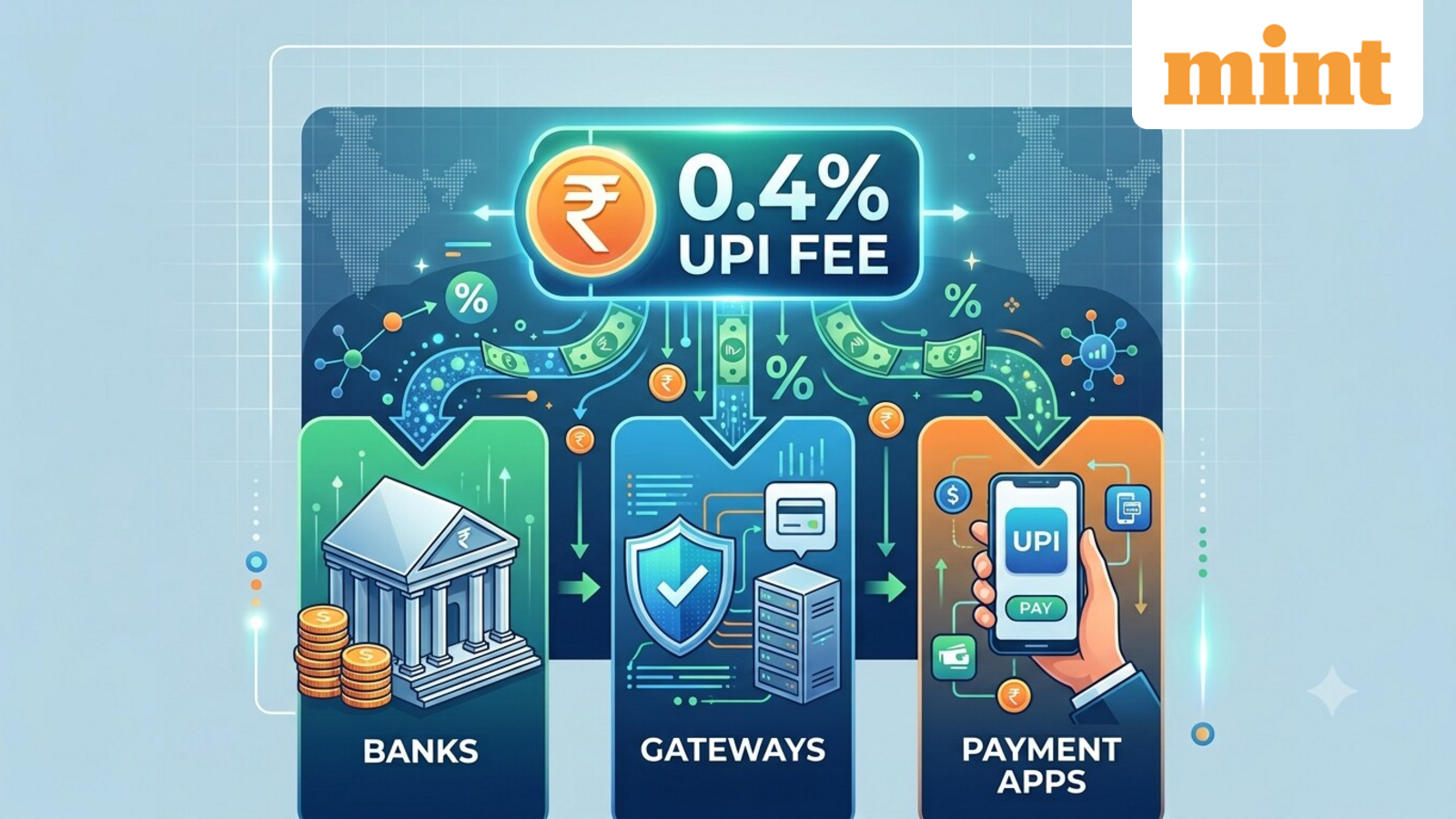
Customers may not be able to use UPI at mobile stores on October 2; why retailers are protesting
Customers shopping for mobile phones, accessories and related services at retail stores may face disruptions while making UPI payments on October 2, as mobile retailers have called for a ‘No UPI Day’ to protest the proposed 0.4% merchant discount rate (MDR) on UPI transactions.
The pushback comes as the government moves to change the zero-MDR framework that has applied to UPI payments for nearly six years.
Under the new framework, an extra levy will apply to transfers made to merchants worth over ₹2,000 from October 15. However, person-to-person UPI transfers and small merchant payments will continue to remain free.
Why are mobile retailers going on a protest?
This protest has been called by the All India Mobile Retailers Association (AIMRA), which has raised concerns over the additional burden that MDR on specified UPI payments could place on mobile retailers, PTI reported.
Speaking on the issue, AIMRA Vice President and Delhi-NCR President Tarvinder Singh said retailers will symbolically cover their UPI QR codes with black cloth and refrain from accepting UPI payments on Gandhi Jayanti.
“If we want digital India, UPI must remain zero MDR. This is not a protest against UPI or digital India. Our concern is the additional financial burden being placed on merchants who accept digital payments. If we want digital India to grow further, digital payments should remain affordable for the entire retail ecosystem,” the industry body’s top executive said, according to the news report.
The industry body’s demand
Singh said AIMRA’s clear demand is that UPI merchant payments should continue under a zero-MDR structure.
On September 25, Finance Minister Nirmala Sitharaman further clarified that the new 0.4% MDR on specified UPI merchant payments above ₹2,000, shall be paid by the merchants and not customers.
“I don’t think customers are worried because we are clearly saying that this is not going to the consumer. There are, of course, I’m sorry to say, people who have not understood this properly… It is not on the consumer,” she was quoted as saying earlier by the news agency.
UPI MDR may wipe out part of retailers’ income
According to a representation submitted by AIMRA to Finance Minister Sitharaman, imposing MDR on UPI payments could result in a monthly loss of ₹2,000 to ₹12,000 for small retailers processing ₹5 lakh to ₹30 lakh in UPI transactions each month. The association said this could wipe out a substantial portion of retailers’ net income.
The mobile retailers’ body also estimates that 0.4% MDR will impose an unsustainable burden of approximately ₹40 crore per month and nearly ₹500 crore per annum on small mobile retailers across India.
Small merchants are set to benefit from mandatory zero-MDR rules, but the relief is limited to those receiving up to ₹1 lakh per month through UPI QR codes. This classification bridges informal street vendor setups and formal commercial merchant acquiring accounts, ensuring zero cost for micro-businesses.
Can merchants pass on MDR to consumers?
No, the government has assured that consumer prices will not rise if merchants start paying MDR. This is because merchants usually absorb nominal digital processing costs to drive higher business volume.
Payment acceptance costs are considered standard operational overheads that are offset by increased footfall, higher average ticket values, and reduced cash-handling risks, the National Payments Corporation of India’s (NPCI) said in the FAQ section regarding the new UPI MDR framework.
“Because the proposed UPI MDR is significantly lower than credit card fees and applies only above specific transaction thresholds, shopkeepers have no economic incentive to inflate retail shelf prices. Consumers will continue paying the exact listed price for goods and services,” the FAQ read.
NPCI has also stated in its FAQ that banking institutions will work closely with merchants and industry bodies to ensure that the levy is not passed on to the customers by merchants.