UPI MDR is not a tax, won’t mean extra cost for customers: FM Sitharaman | Finance News
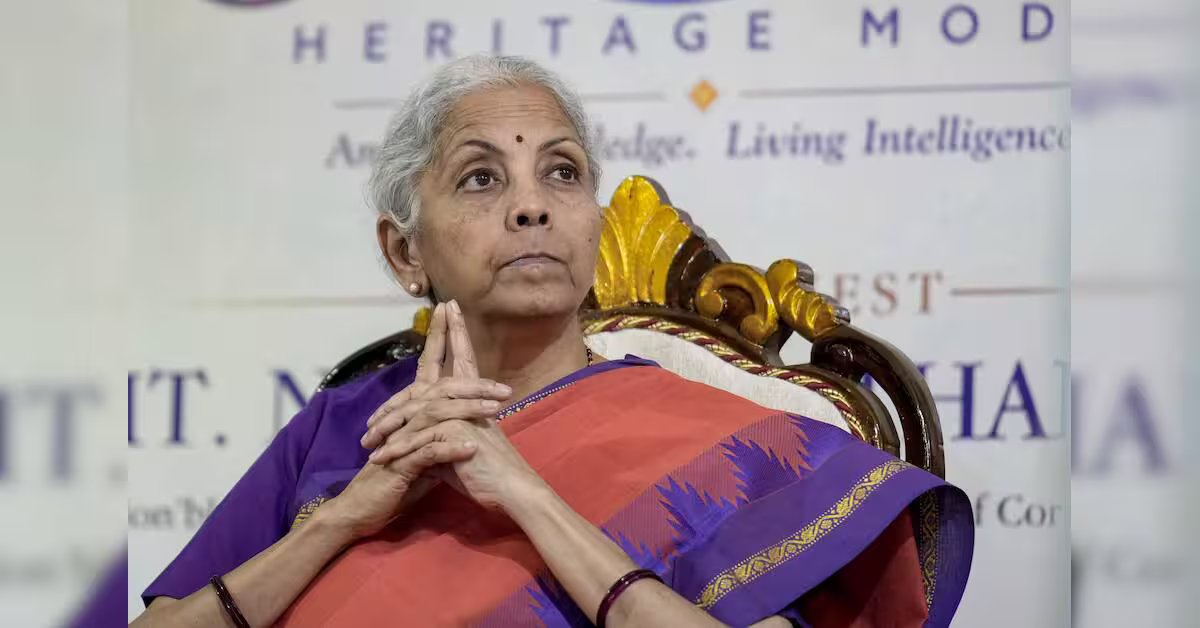
“This is neither a tax nor a cess,” Sitharaman said, adding that the money collected through the charge would not go to the government’s coffers.
VIDEO | PTI Exclusive: MDR on UPI payments above Rs 2,000 will not be passed on to customers, says Finance Minister Nirmala Sitharaman. She says, “This is a complete misconception. Today, the opposition is levelling allegations against the government without fully understanding… pic.twitter.com/tNh5FzWAF0
— Press Trust of India (@PTI_News) September 24, 2026
She said the MDR was a commercial arrangement between entities involved in processing payments, including the National Payments Corporation of India (NPCI), banks, point-of-sale (POS) service providers and merchant banks.
Under the new framework, the 0.4 per cent MDR will apply to specified person-to-merchant UPI transactions above ₹2,000. The charge will be distributed among participants in the payments ecosystem rather than being collected by the government.
Sitharaman draws parallel with card payments
For instance, if a customer buys goods worth ₹5,000, the bill would show ₹5,000 plus applicable goods and services tax (GST), rather than adding the MDR charged to the merchant, she said.
“Traders do not charge the consumer the MDR for other cards,” Sitharaman said, arguing that the same principle would apply to UPI transactions.
She said digital payments help merchants expand their business, and the commercial arrangements over MDR are therefore between merchants, banks and other payment ecosystem participants. The government, she added, has no role in determining how these entities settle the charge among themselves.
Small-value UPI payments outside MDR
The new framework keeps person-to-person (P2P) UPI transactions outside the MDR and does not impose the charge on merchant transactions of up to ₹2,000.
The government has said around 96 per cent of merchant UPI transactions will remain unaffected by the revised framework.
For specified merchant transactions above ₹2,000, the MDR will be capped at ₹300 for transactions of ₹75,000 or more. Separate rates have been prescribed for certain categories, including essential services and capital market transactions.