Lawmakers Demand Probe Into Fraudulent 401(k) Comments
Democratic lawmakers are urging the Justice Department and the FBI to investigate potential fraud in public comments in response to the Labor Department’s proposed rule to boost access to alternative investments in 401(k)s.
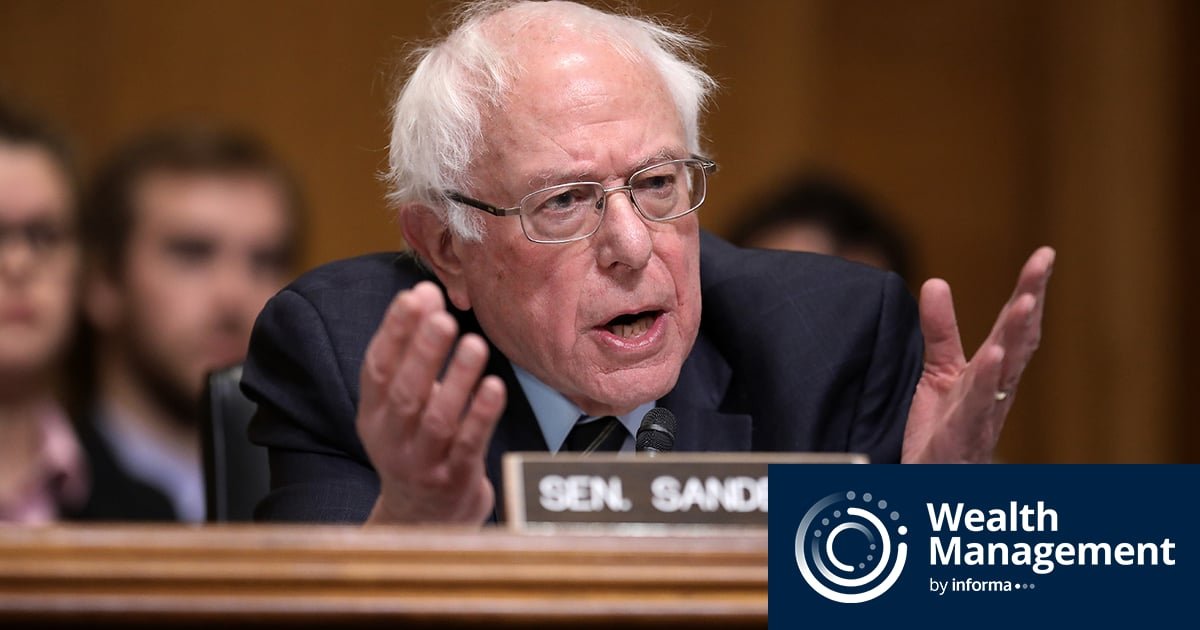
In the letter to Acting Attorney General Todd Blanche and FBI Director Kash Patel, U.S. Reps. Bobby Scott (D-Va.), Jamie Raskin (D-Md.) and U.S. Sen. Bernie Sanders (I-Vt.) asked them to probe “reported use of unverifiable or stolen identities” among comments supporting the DOL’s proposal, which would create a “safe harbor” that could encourage retirement plans to invest in private options, including private equity, real estate and cryptocurrencies, among others.
“Making false statements is a serious crime, and defendants have been convicted and sentenced to prison on that count alone,” the letter read. “It is imperative to find out whether federal law was violated in this case and, if it was, ensure that those who broke the law are held accountable.”
The lawmakers’ demands stem from an August Bloomberg report examining the public comment period for the rule. Bloomberg found that, unlike the 30,000+ submissions opposing the proposal, many of the 12,000 in support lacked personalization (such as signatures, city, state or email addresses).
In some cases, reporters couldn’t find evidence that the signers existed. In other cases, they learned that the signees couldn’t have supported the proposal because they were dead, according to the lawmakers.
The DOL proposed the rule earlier this year, following President Donald Trump’s executive order in August 2025, which required the department to reevaluate guidance on alternative asset investments in retirement plans under the Employee Retirement Income Security Act.
401(k) plan providers are technically allowed to include alts, but many opt not to do so for fear of costly class-action lawsuits alleging they ran afoul of fiduciary responsibilities. The new rule sets up several “safe harbors” for plan fiduciaries to include alts in retirement plans while avoiding liability.
Asset managers have been eager to tap into the approximately $13.8 trillion 401(k) market as institutional investors’ appetite for alts has slowed. However, critics have cautioned that the proposal would steer workers’ retirement savings into risky investments with minimal transparency.
The DOL held a 60-day public comment period after the proposal was published in the Federal Register, and Bloomberg noted that by the closing period on June 1, approximately 47,000 comments came in, about double the number of comments for any rule the DOL’s Employee Benefits Security Association has proposed in the past five years.
Advocacy groups often create form letters for supporters of their position to sign, and the practice of “astroturfing,” or mass-producing comments to create an impression of broad support for an opinion on a proposed rule, is increasingly common.
According to Bloomberg, Americans for Financial Reform created a form letter opposing the rule, which about 30,000 people signed. The difference from the form letters supporting the rules is that they often didn’t include emails, locations or any personalized messages or signatures along with the form text.
Bloomberg attempted to contact many of the supposed signees in support of the rule and, in a few cases, found that they died before the rule was ever proposed.
The report also could not discern who created the five form letters in support of the rule, with Bloomberg contacting dozens of trade groups and advocacy organizations that support the proposal; none admitted to creating the forms.
Scott and Sanders also wrote to Inspector General Anthony D’Epostino, encouraging an audit of the public comments. Additionally, Scott’s letter to Acting Labor Secretary Keith Sonderling urged him to begin an “immediate investigation” into the comments. In the letter, he said the reporting raised “legitimate questions” about whether the DOL’s public comment process has been “corrupted” during the Trump administration.
“The reporting also magnifies the lack of verifiable public support for DOL’s proposed rule, representing yet another reason why it should be withdrawn,” Scott wrote.