Alberta court refuses to end NaturEner wind farm dispute
Three of the four sellers say NaturEner did not hold up its end of the bargain on the first project, including never ordering the turbines, and sued in 2009 to collect their success fee. NaturEner asked the court to end that case early, arguing it had done enough. The court disagreed, finding there was not enough evidence on the record to decide that without a trial.
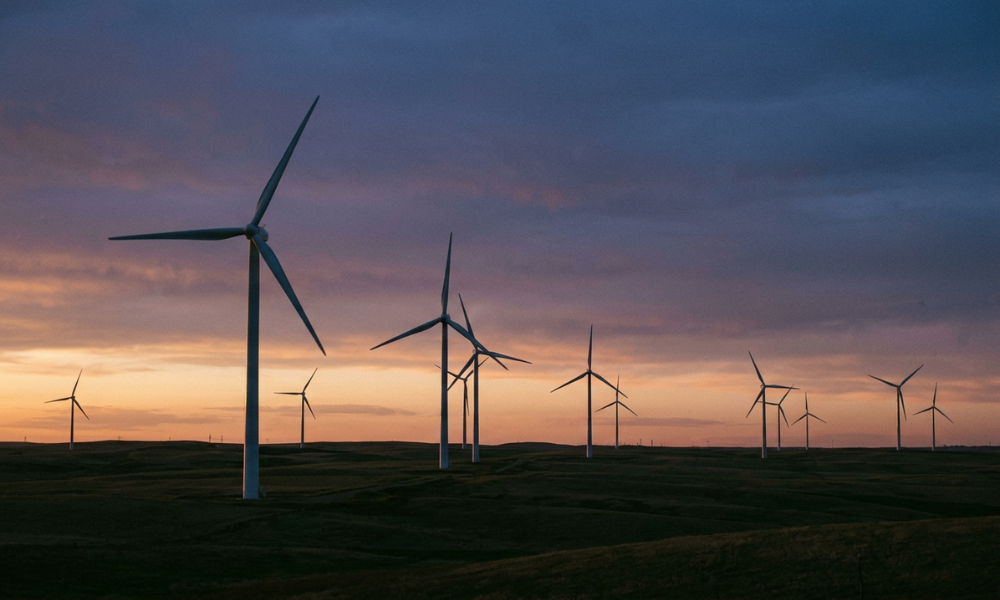
A second fight started after the sellers learned NaturEner had sold both wind projects to Capstone Infrastructure Corporation in 2021 and moved the proceeds outside Canada. In 2022, the sellers sued again. They say the sale was structured in a way that unfairly avoided paying what NaturEner owed them, a claim known in law as a fraudulent conveyance, and that it unfairly disregarded their interests as stakeholders, a claim known as oppression. They also argue the second project, Wild Rose 2, now owes its own success fee, since construction started there in September 2022.
A lower court judge already refused to end the second lawsuit early back in 2024, and NaturEner and the newer Capstone-linked companies appealed that decision. Justice C. Dario upheld it, ruling that the success fee and effort obligations do not expire after two or five years, as the companies had argued. That finding weakens their case that the sellers waited too long to sue.
For advisors who help business owners sell their companies, this is useful context: promises tied to future milestones, like earn-outs and success fees, can stick around long after closing day, and restructuring or selling the underlying assets later does not automatically get a buyer off the hook.
Nothing has been decided on who is right. The court only found that both sides deserve a full hearing. No trial date has been set, and the parties can bring a dispute over legal costs back to the court within 45 days if they cannot work it out themselves.