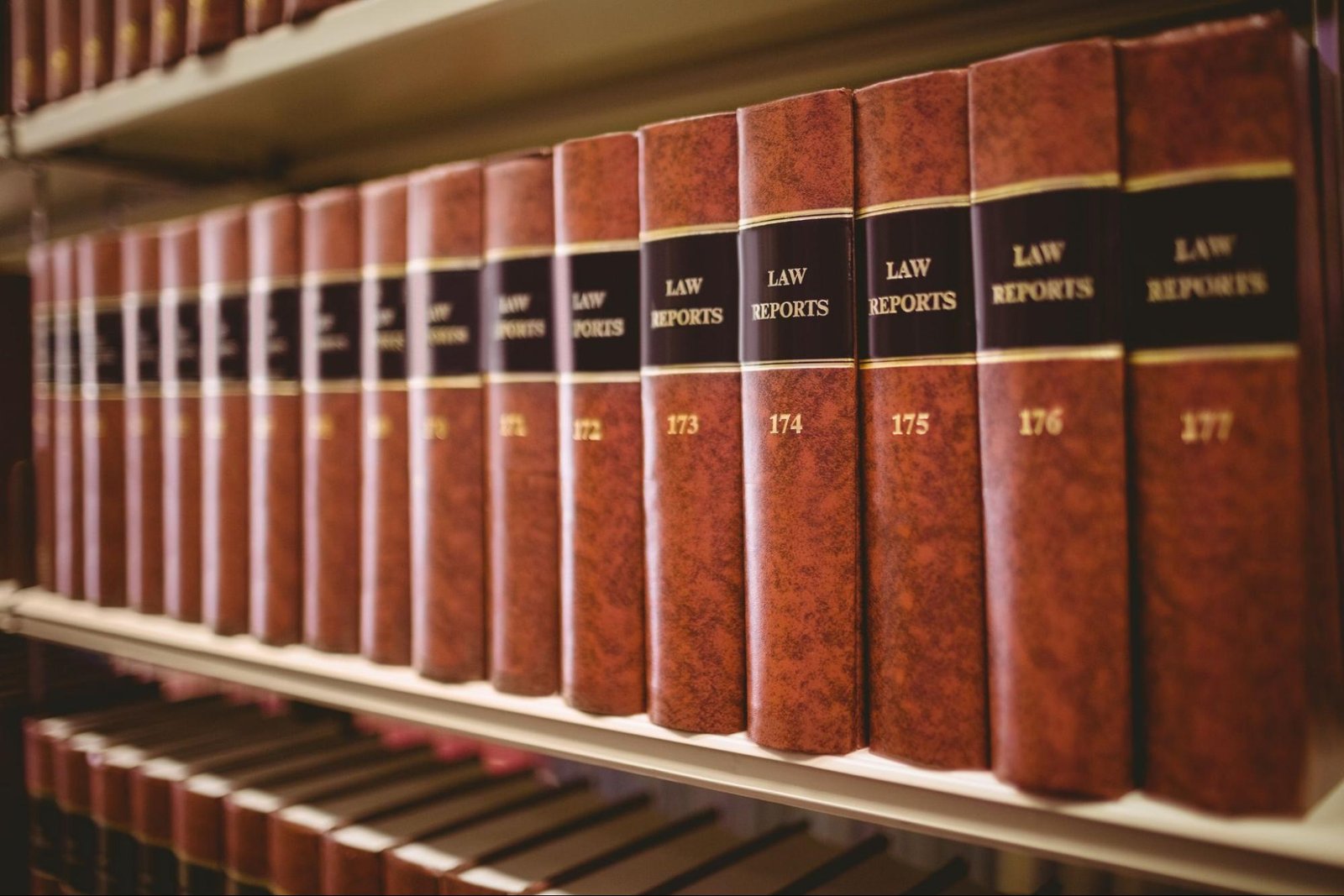
How to Build a Law School Library on a Budget
Buying school books can be expensive, but with the right tools, you can find the books that fit you and the best way to buy them.
To thrive in law school or as a legal professional, you need books. As valuable as online resources are, nothing replaces a great academic, professionally published book. Online resources leave room for errors and mistakes to slip into your information stream.
Books are cohesive and self-contained; once published, no one can add to them, and they last indefinitely. That kind of permanence is distinctly appealing in today’s digital age, and it’s a big part of why teachers still insist that law students buy books. The goal is not only to enrich students’ learning experience now, but also to set them up for success.
However, the downside is the cost. A law school reading list for a given semester can cost hundreds or even thousands of dollars if you’re purchasing from standard vendors. Students need casebooks, supplements, a dictionary, study aids, and more, all of which are readily available at campus stores but will be priced high.
Fortunately, BooksRun offers a solution: an online platform and marketplace where users can buy, sell, and rent new and used books and college textbooks. By approaching the book-buying process less conventionally, you can open up new opportunities and start building your legal library without breaking the bank.
Law Books Worth Buying
Many law books are worth renting or buying and can help you start thinking like a bona fide legal professional. Some examples of these include:
Getting to Maybe
Written by Richard Michael Fischl and Jeremy R. Paul, this book explains how law exams actually work, not just what they cover. It breaks down issue-spotting, the skill most professors assume you’ll somehow absorb on your own. First published in 1999, it’s cheap used and worth reading before your first exam, not after.
The Examples & Explanations Series
A set of subject-by-subject workbooks built around practice problems. Pick the one for whatever course you take this semester (Civil Procedure is the classic candidate), and actually work the problems instead of just reading them. Buy only the subjects you’re taking this term, and check your professor’s edition requirement before you grab an older used copy.
Emanuel Law Outlines
These outlines work in conjunction with your legal classes to effectively lay out the doctrine of a whole subject in one place before exams. Buy by subject, buy used, and make sure the edition is current enough for your course.
Black’s Law Dictionary
An older text that is extremely useful for helping modern law students decipher the Latin and jargon baked into the legal field. An older edition may be sufficient for basic terminology, but check the course requirements before buying it.
One L
Scott Turow’s 1977 memoir of his first year at Harvard Law School. It teaches zero doctrine, but it nails the feeling, and it’s cheap, short, and oddly reassuring at 2 a.m.
How to Build Your Law Book Library for Less
You don’t need the latest edition of every book, only the right ones and a good strategy. Start by checking the library reserve shelf, where much of the required reading is available for free, one chapter at a time. Reserve your budget for new books for those rare titles where the edition makes a real difference, such as a citation guide aligned with current rules.
Casebooks are usually assigned course by course; you can buy them used, or an edition or two behind if your professor allows it. For everything else, search the assigned ISBN on BooksRun and compare the available price with the campus-store price before you buy.
An expensive shelf won’t help you during finals; a purpose-built, streamlined one actually can.