Chicago Fed President: Fighting Inflation Likely Will Be ‘Painful’
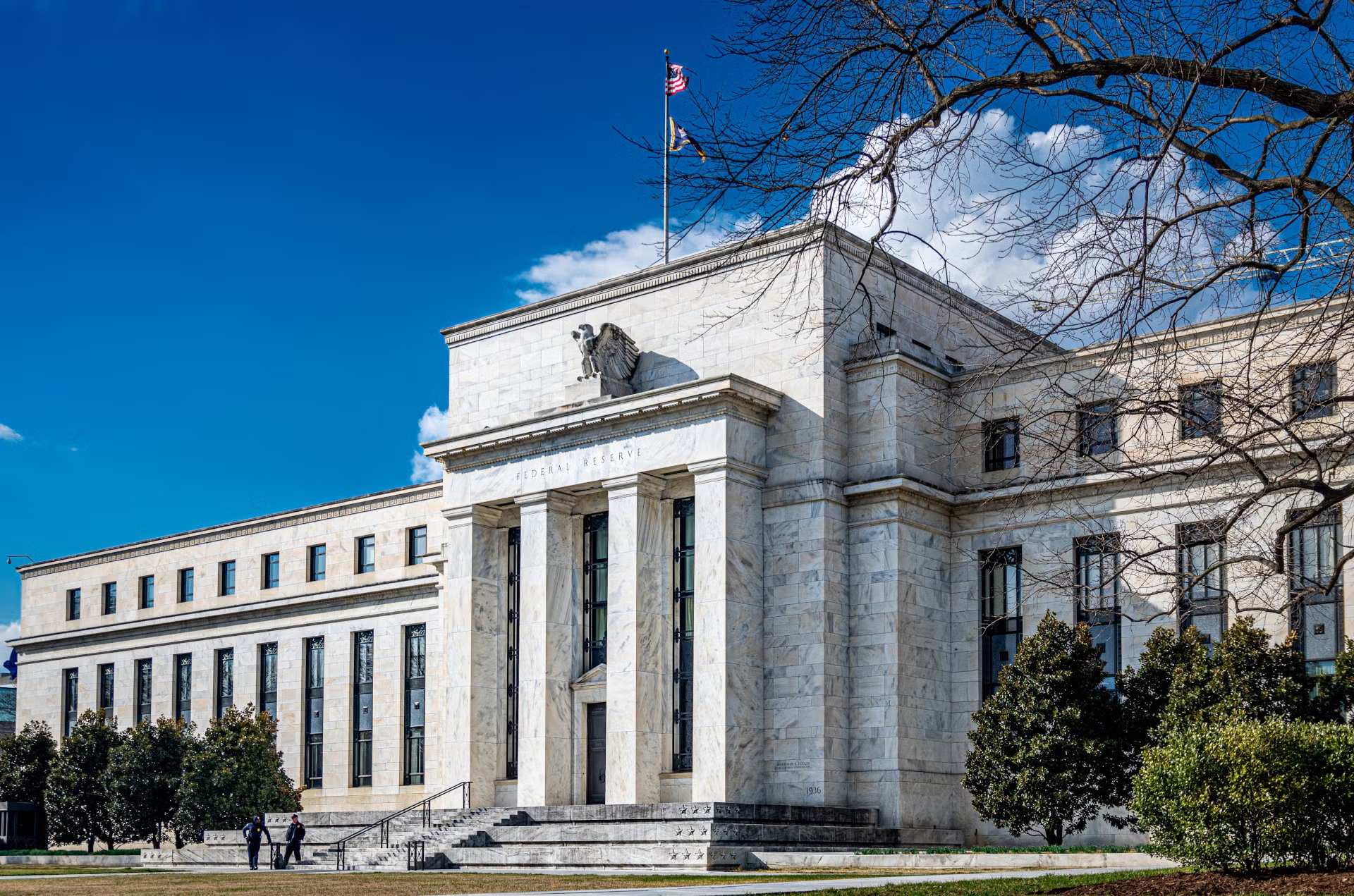
The President of the Federal Reserve Bank of Chicago cautioned Monday that the central bank may cause economic pain in the form of higher unemployment to combat persistently high inflation, according to a report by the AP.
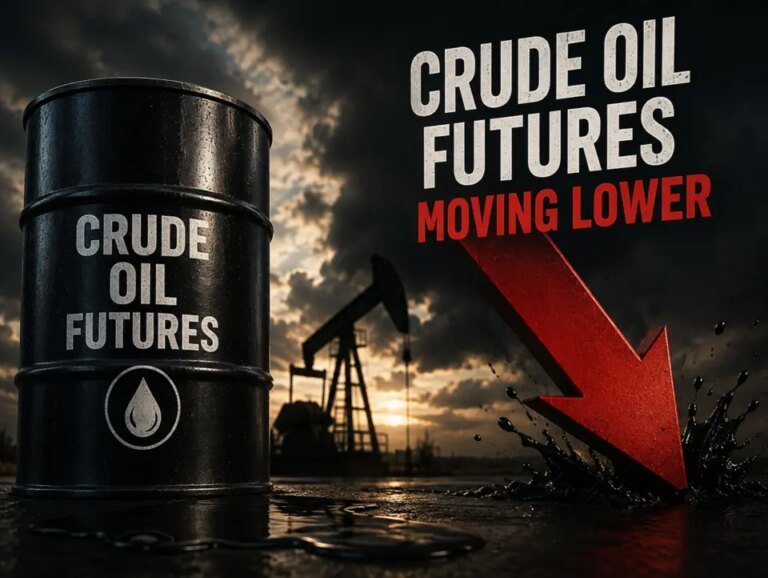
Austan Goolsbee said in a speech in London that the central bank is facing a series of supply shocks that have driven up inflation, including higher oil prices from the Iran war and tariffs.

He noted that typically, the Federal Reserve would wait for such shocks to fade and inflation to fall on its own rather than raise borrowing costs.
Faced with a continuing series of persistent supply shocks, the Fed now has little choice but to hike rates, Goolsbee noted.
He said the increases are needed to lower consumer and business demand to a level consistent with reduced supply, which should bring inflation back to the Fed’s 2% target.
“The only way to bring inflation down is to raise rates and narrow the gap between supply and demand,” Goolsbee said in a written copy of his remarks. “Forcing inflation back to target in the short run means pushing employment below target. … In the short run, supply shocks force a difficult trade-off” between the Fed’s goals of low inflation and maximum employment.
“It’s going to be painful,” Goolsbee said in later remarks to reporters, according to the AP. “It would necessarily be painful.”
Contradicted Warsh
The AP reported that Goolsbee’s comments contradict those of Fed Chair Kevin Warsh last Wednesday at a news conference following the Fed’s lifting its key interest rate for the first time in three years to about 3.9%.
“I don’t believe that we need to do harm to the labor markets to achieve our objective,” Warsh said last week.
Also on Monday, Susan Collins, President of the Federal Reserve Bank of Boston, said she supported last week’s interest rate increase and expects the Fed to raise rates once more before the end of the year.

Collins told the Associated Press she was in agreement with the Fed’s quarter-point move, and added that she expects borrowing costs to remain on hold through 2027.
The Fed raised its key interest rate for the first time in three years at that meeting.
“I did not see the inflation progress I was hoping to see,” she said. “Geopolitical developments suggest that we could continue to see additional pressures push on the energy side.”
The Federal Reserve has not hit its 2% inflation target in more than five years.
The AP said that Collins also cited the resumption of fighting in the Middle East in August among her reasons for backing the hike.
She said robust job growth can be a sign that the economy has enough momentum to absorb the pressure of higher rates.