Lessons from Nepal floods: What Indian businesses need to know about disaster insurance
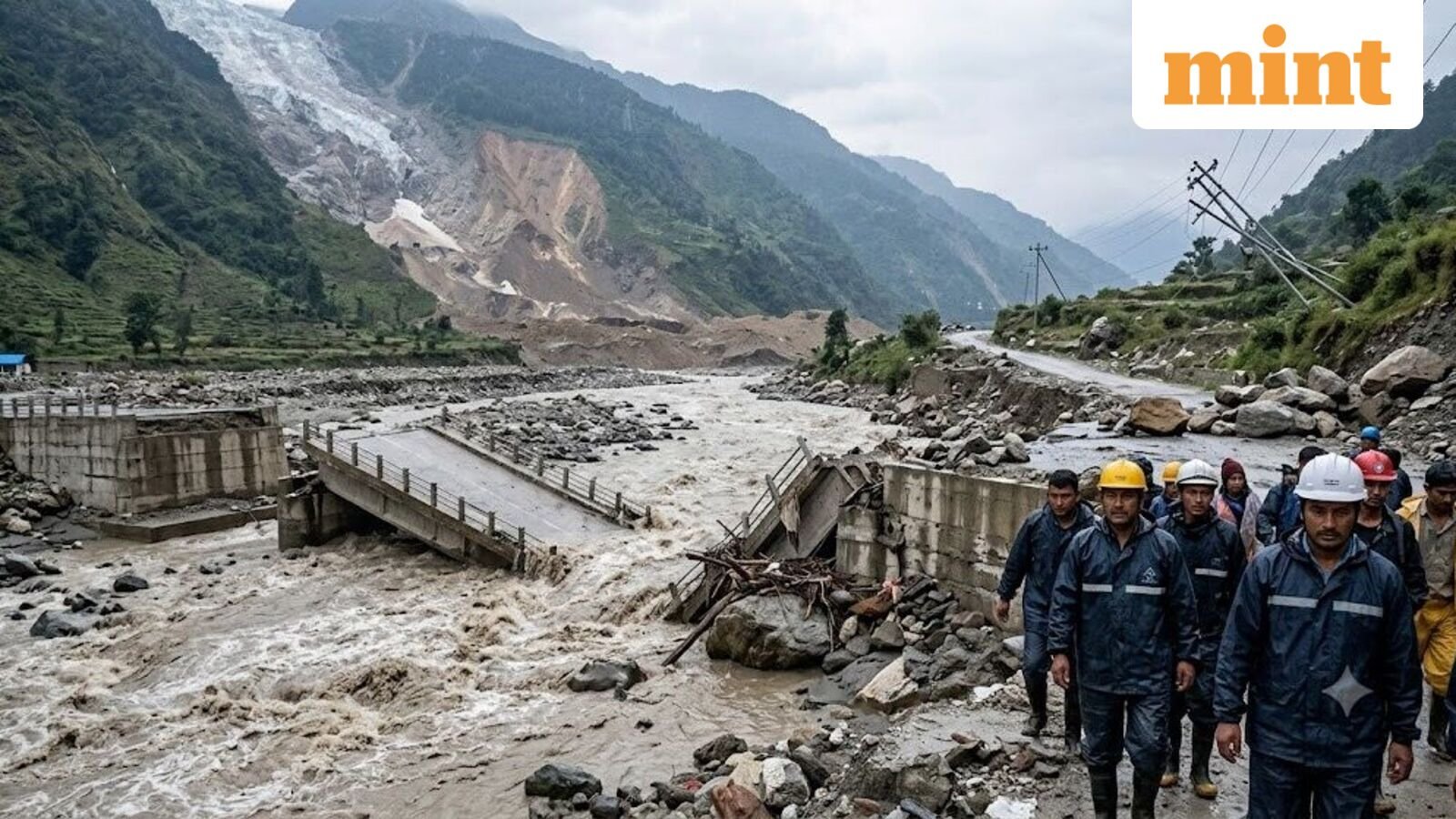
The catastrophic glacial flood that struck Nepal on 26 August 2026, following a glacier and rock collapse near the Nepal-China border, is a stark reminder of the growing financial impact of natural catastrophes across the Himalayan region. Torrents of water, rocks, mud and debris caused extensive damage to homes, roads, bridges and critical hydropower infrastructure, with at least 11 hydropower projects reporting significant damage. More than 1,300 deaths have been reported, thousands remain missing, and more than 84,000 people have been affected.
Preliminary estimates put Nepal’s direct physical economic losses at around US$2.56 billion (approximately ₹24,200 crore), while the broader reconstruction and recovery requirement could reach US$5 billion (approximately ₹47,600 crore).
The insurance impact is also significant. As of 31 August 2026, 583 flood-related claims totalling around US$171 million had been reported across Nepal’s non-life insurance sector. Engineering and contractors’ risks, largely relating to hydropower and infrastructure, accounted for approximately US$136 million, while conventional property claims stood at around US$15.5 million. Life, personal accident and workers’ compensation claims are still being assessed.
India’s growing exposure to natural disasters
The Nepal disaster has particular relevance for India, where exposure to floods, cyclones, earthquakes, landslides and severe storms is increasing alongside rapid urbanisation and infrastructure development.
According to Swiss Re, India suffers average annual economic losses of approximately US$8 billion from natural disasters. Floods are the biggest contributor, accounting for around 63% of India’s average annual natural catastrophe losses between 2000 and 2023, followed by tropical cyclones at around 23%.
The scale of individual events is also increasing. Swiss Re estimates that natural catastrophe events causing around US$1 billion ( ₹8,700 crore) in economic losses are becoming increasingly common in India. A repeat of the 2005 Mumbai floods, adjusted for today’s exposure, could potentially result in insured losses of around US$2.3 billion ( ₹20,000 crore).
What does this mean for property insurance?
For Indian businesses, the key question is not simply whether natural disaster cover is included in an insurance policy, but whether the coverage is adequate for the risks they face.
Property insurance policies in India cover risks such as storm, flood, inundation and landslides. Broader Industrial All Risk insurance policies can provide wider protection and may also cover the financial impact of business interruption.
Companies should therefore review their property policy wordings and sum insured values to ensure that their coverage reflects their actual exposure. They should also ensure that appropriate natural catastrophe (NATCAT) covers are included and consider relevant extensions for damage caused by floating foreign debris and other associated risks.
For business interruption insurance, companies should have comprehensive policies designed around their specific risk exposures. The indemnity period should also be sufficiently long to protect the company’s balance sheet following a major disruption.
The Sikkim experience: an important warning
The Nepal catastrophe illustrates the complexities that can arise in hydropower plant claims. A flash or glacial flood can carry boulders, rocks, mud, silt, trees and other debris at very high velocity. Such debris can cause extensive damage to power plant assets, including intakes, tunnels, penstocks, turbines, powerhouses and associated infrastructure.
India has already experienced a similar situation. In October 2023, the South Lhonak Lake outburst flood in Sikkim caused extensive damage to the 1,200 MW Teesta Stage III hydropower project, including the washing away of the Chungthang dam.
The project reportedly had insurance coverage of around ₹11,400 crore. However, a specific limit of only ₹500 crore applied to Glacial Lake Outburst Flood (GLOF) losses.
The subsequent disputes over the claim highlighted the critical importance of precisely defining catastrophe perils in an insurance policy. The Sikkim experience demonstrates that the existence of an “all risk” policy does not necessarily mean unlimited protection. Specific peril definitions, policy wordings, sub-limits, exclusions, deductibles and causation clauses can materially determine the ultimate claim recovery.
The broader lesson for corporates
The Nepal and Sikkim catastrophes reinforce a fundamental lesson: protecting physical assets and safeguarding the balance sheet are only part of preparing for a natural catastrophe. Ensuring business continuity and financial resilience is equally critical.
Companies should regularly review their exposure to natural disasters and ensure that both property values and business interruption exposures are adequately insured. They should also test whether their insurance programme would respond effectively to a large-scale natural catastrophe (NATCAT) event.
What can corporates do
An experienced commercial insurance broker can help businesses identify potential gaps in their catastrophe protection, review insurance policy wordings and limits, assess the financial impact of a major disaster, and structure a comprehensive property and business interruption insurance programme.
A broker can also help corporates assess their natural-disaster exposures and design an insurance programme to address those risks. This can help ensure that the coverage provides meaningful financial protection when it is needed most.
Disclaimer
This article is intended for general information and risk-awareness purposes and does not constitute legal, technical, insurance coverage or claims advice. Actual insurance coverage will depend on the specific policy wording, definitions, exclusions, deductibles, limits, endorsements and circumstances of the loss. Loss figures and estimates referred to are preliminary and may change as further assessments become available.