New UPI MDR rules from October 15: What changes for fuel, railway tickets and 3 other key services? Explained
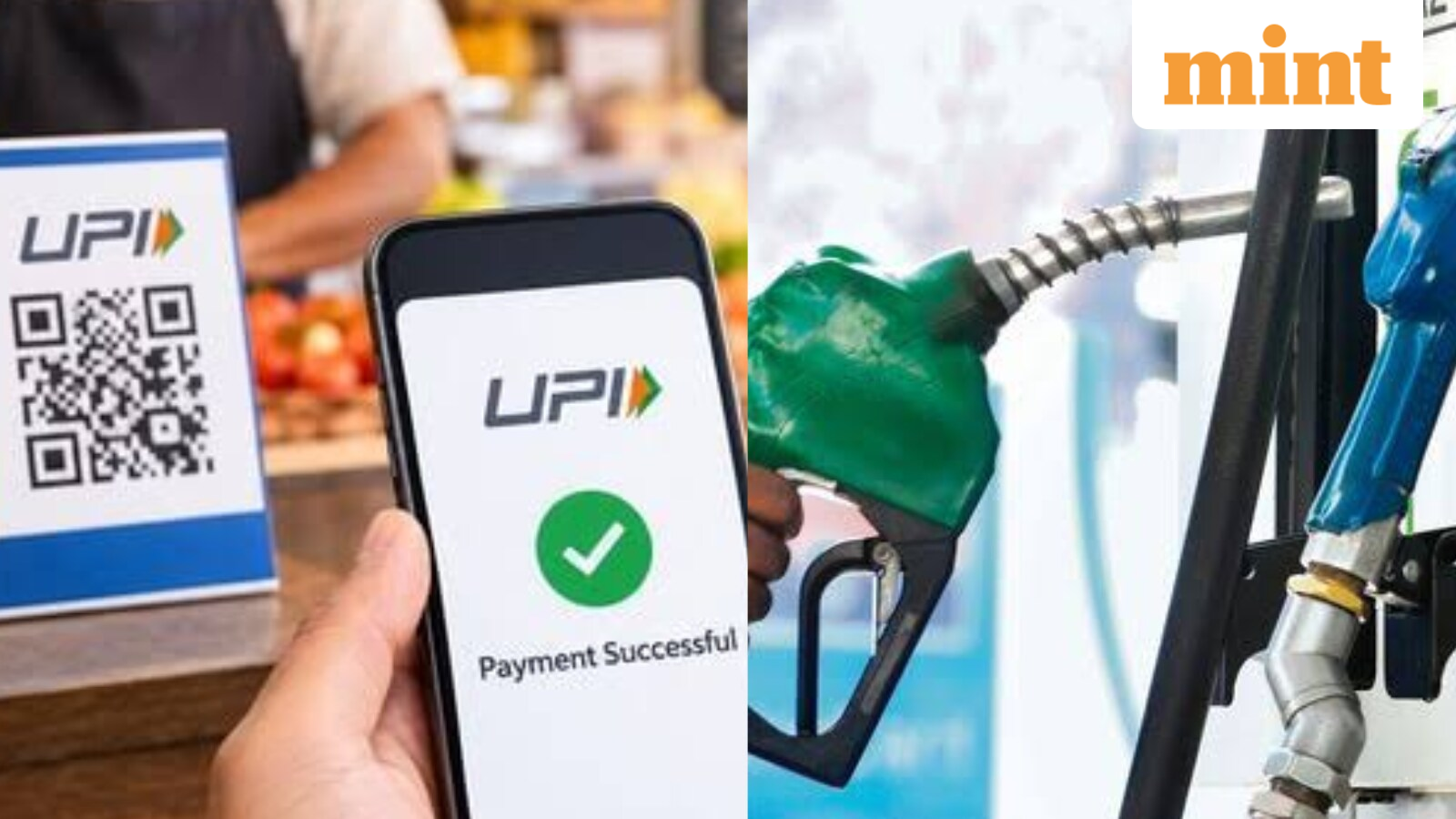
UPI payments for fuel, railway tickets and three other key services will attract a flat Merchant Discount Rate (MDR) of ₹5 on transactions above ₹2,000 from October 15, under the new framework announced by the National Payments Corporation of India (NPCI). The other sectors covered by the fixed charge are telecommunications, insurance and agricultural inputs.
The new MDR framework, announced by NPCI on September 15, introduces charges on select Person-to-Merchant (P2M) UPI transactions while keeping smaller payments and transactions covered under the zero-MDR framework for small merchants free. The ₹5 charge applies to the merchant transaction and is not an additional amount that customers are required to pay on top of their bill.
₹5 MDR on fuel, railway tickets and other services
For specified merchant categories, including railways, telecom services, insurance, fuel and agricultural inputs, transactions above ₹2,000 will attract a fixed MDR of ₹5 rather than the standard percentage-based rate.
NPCI explained the rationale for the fixed charge in its framework:
“For specific merchant categories such as railways, telecom services, insurance, and fuel, among others, a flat MDR of ₹5 per transaction shall be applicable for transaction above ₹2,000. Rather than applying a 0.4% variable rate, these specific sectors pay a fixed fee of ₹5 regardless of the transaction amount. This flat-rate model prevents cost escalations in critical public services, utility bill collection, and thin-margin sectors like fuel retail. It ensures that essential consumer services remain low-cost and digitally efficient.”
This means, for example, that a UPI payment of ₹3,000 for a railway ticket or a ₹5,000 insurance payment would attract an MDR of ₹5 for the merchant. The customer would continue to pay the transaction amount itself, with banks advised to ensure that merchants do not pass the MDR on to customers.
0.4% MDR on other large UPI merchant payments
For P2M transactions above ₹2,000 outside the specified categories, NPCI has introduced a 0.4% MDR. However, transactions of ₹75,000 and above will have a maximum MDR of ₹300 per transaction.
NPCI said, “MDR of 0.4% will be introduced on Person-to-Merchant (P2M) UPI transactions above ₹ 2,000/-. For transactions of ₹75,000/- and above, the MDR will be capped at ₹300 per transaction”
The new rates will come into effect from October 15 this year.
Small merchants to continue with zero MDR
Small merchants covered under the Person-to-Person-Merchant (P2PM) framework will continue to receive zero-MDR treatment. NPCI said these include small vendors receiving up to ₹1 lakh per month through UPI QR codes directly into their bank accounts.
“Small merchants operating under the P2PM framework will continue with zero MDR. These are small vendors receiving up to ₹1 lac per month through UPI QR directly into their accounts. The P2PM category promotes digital payment acceptance among small merchants and in the unorganised retail sector.”
NPCI clarified there would be no impact on small-value UPI transactions of up to ₹2,000, which account for more than 95% of the total volume of UPI P2M transactions. The organisation said the move is intended to keep UPI accessible and convenient for everyday payments while supporting the long-term sustainability of the digital payments ecosystem.
For consumers, the key distinction is that the new MDR is imposed on eligible merchant transactions. UPI users will not face a separate ₹5 charge simply for making payments through the platform. Banks have also been advised to prevent merchants from passing MDR costs on to customers.