BNPL Fintech Klarna Enhances Nordics Anti-Fraud Toolkit With Live Call Verification Feature
Klarna (NYSE: KLAR) has added a new layer of protection for customers in the Nordic region, rolling out an in-app tool that lets people check in real time whether an incoming phone call is actually coming from the company.
The feature, called Call Status Detection, is now live in Sweden, Norway, Finland and Denmark, extending the Stockholm-based fintech’s existing anti-fraud toolkit beyond emails, texts and letters.
The move targets a growing problem: criminals posing as banks or payment firms over the phone.
Caller ID is easy to fake, so a number that looks official is no longer a reliable signal.
Across Europe, fraudsters steal more than €4 billion a year, according to the European Central Bank — a figure Klarna cited when explaining why it is expanding verification from written messages into live voice calls.
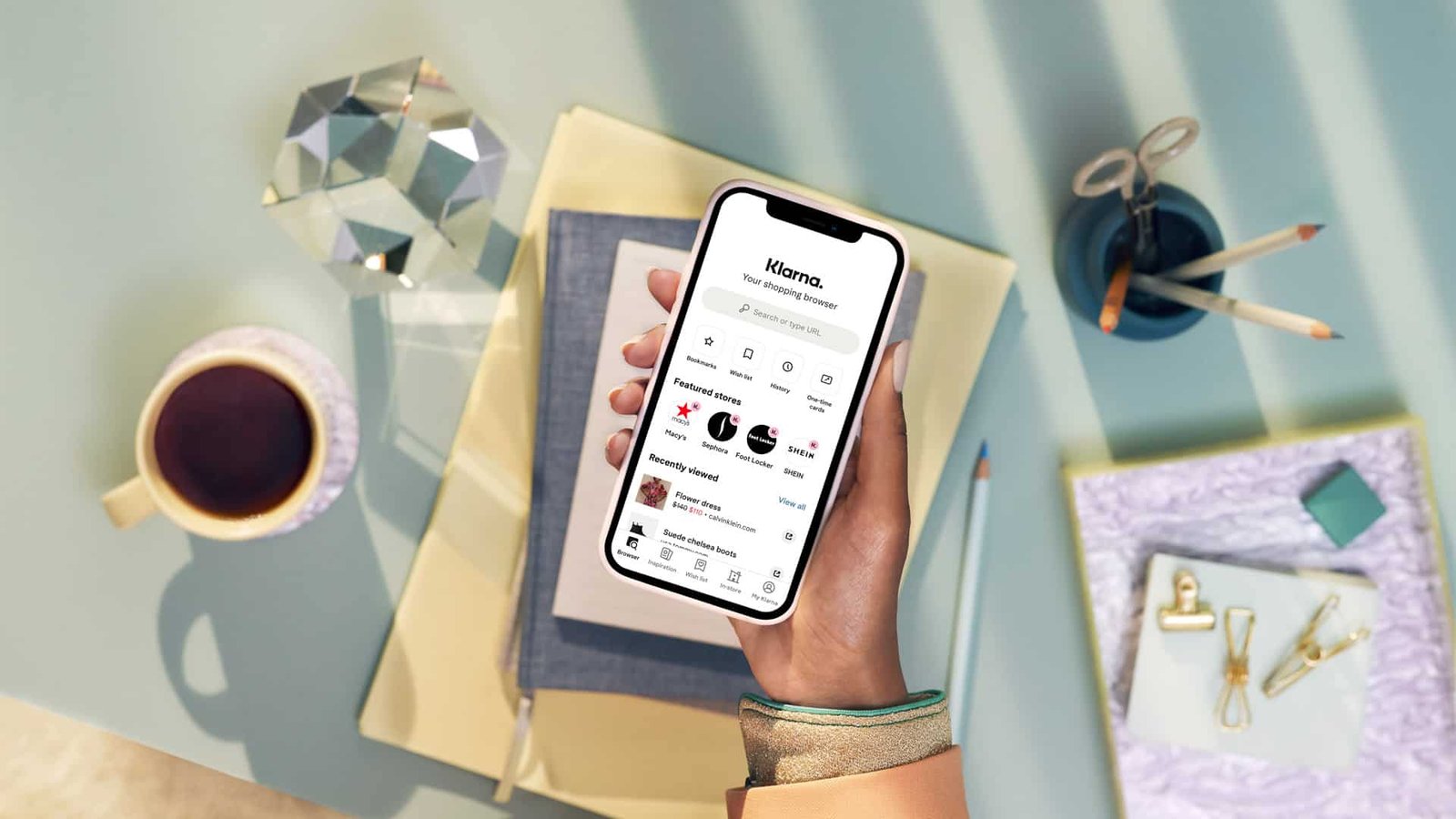
Call Status Detection is designed to be used in the moment. If someone answers a call from a person claiming to represent Klarna, they only need to open the Klarna app.
A banner at the top of the screen shows the result: green means the company has confirmed the call and it is safe to continue; amber means Klarna cannot verify the caller, and the customer is advised to hang up.
The company says the design is intentionally simple so people can check a call without leaving the conversation or hunting through menus.
The tool sits alongside Klarna Inbox, launched earlier in 2026.
That feature mirrors official emails, SMS messages, push notifications and even physical letters inside the signed-in app, giving customers a single place to confirm whether a message is genuine.
Together, the inbox and call-status banner cover both written and spoken contact — the two main channels scammers use when they impersonate a trusted brand.
Woody Malouf, Klarna’s head of financial crime, said impersonation tactics keep evolving and that the company wants to give customers a fast way to push back.
Adding live call checks to the inbox, he argued, makes it easier for people to tell what is real and protect their money.
The company has long told customers it does not use unsolicited robocalls or demand logins and personal details over the phone; the new banner is meant to make that guidance actionable while a call is still in progress.
Availability is slightly different by device.
On iPhones in the four Nordic markets, Call Status Detection is switched on by default.
Android users need to turn it on in the app’s settings.
Klarna said more countries will get the feature later. For now, the Nordic launch is the first public expansion of the company’s anti-fraud communication tools into live phone verification.
The timing reflects how common brand-impersonation calls have become in the region.
Reports in Sweden and neighboring markets have described waves of fake “Klarna invoice” calls, sometimes using AI-generated voices, that try to push people into BankID logins or transfers.
Official caller names and numbers can be spoofed, which is why Klarna is steering customers toward the authenticated app instead of the phone screen.
Finnish coverage of the rollout made the same point: if the app cannot confirm the call, treat it as unverified and end it.
For a company that positions itself as both a payments network and a digital bank, the feature is also a trust play.
Klarna says it has more than 120 million active users worldwide and processes millions of transactions a day.
Protecting those customers from impersonation is not only a security issue; it is central to how people decide whether to answer a call, open a message, or treat a payment demand as genuine. The Nordic rollout is a practical test of whether a simple in-app signal can cut through that uncertainty.