UPI MDR charges: What general users need to know about the new rules | Finance News
The government on Tuesday introduced a 0.4 per cent merchant discount rate (MDR) on Unified Payments Interface (UPI) payments above ₹2,000 to merchants, with the fee capped at ₹300 for payments of ₹75,000 and above.
The National Payments Corporation of India (NPCI), which operates UPI, said person-to-merchant (P2M) transactions up to ₹2,000 will remain free of costs. Essential sectors such as railways, telecom and fuel will attract a flat ₹5 fee per transaction, while capital-market transactions will attract a lower rate of 0.02 per cent.
The introduction of MDR on select UPI transactions may have raised concerns among users. To address any confusion or concerns, NPCI has answered several questions in its FAQ document.
Will consumers have to pay for making UPI payments?
NPCI has clarified that UPI services will continue without any cost to consumers. Individual account holders can continue using UPI applications for all routine and daily expenses without worrying about charges. NPCI has also clarified that UPI application providers shall not charge platform fees or any other charges for payments made through UPI. UPI applications are explicitly restricted from levying platform fees on UPI transactions.
Will sending money to friends or family attract a charge?
Person-to-person (P2P) transactions, such as sending money to friends, family or personal contacts, will remain free for both the payer and beneficiary.
There will be no charges for transferring or receiving money through UPI, including self-transfers. Whether users are sending money to family members, splitting bills with friends, or moving funds between their own linked bank accounts, these transactions will remain free.
Will consumer prices rise at stores if merchants start paying a nominal fee?
According to NPCI, market dynamics and historical payment trends show that merchants absorb nominal digital processing costs to drive higher business volumes. Payment acceptance costs are considered standard operational overheads that are offset by increased footfall, higher average ticket values and reduced cash-handling risks.
NPCI said that because the proposed UPI MDR is significantly lower than credit card fees and applies only above specific transaction thresholds, shopkeepers have no economic incentive to increase retail prices. Consumers will continue paying the listed price for goods and services.
Will QR code payments at local shops remain free?
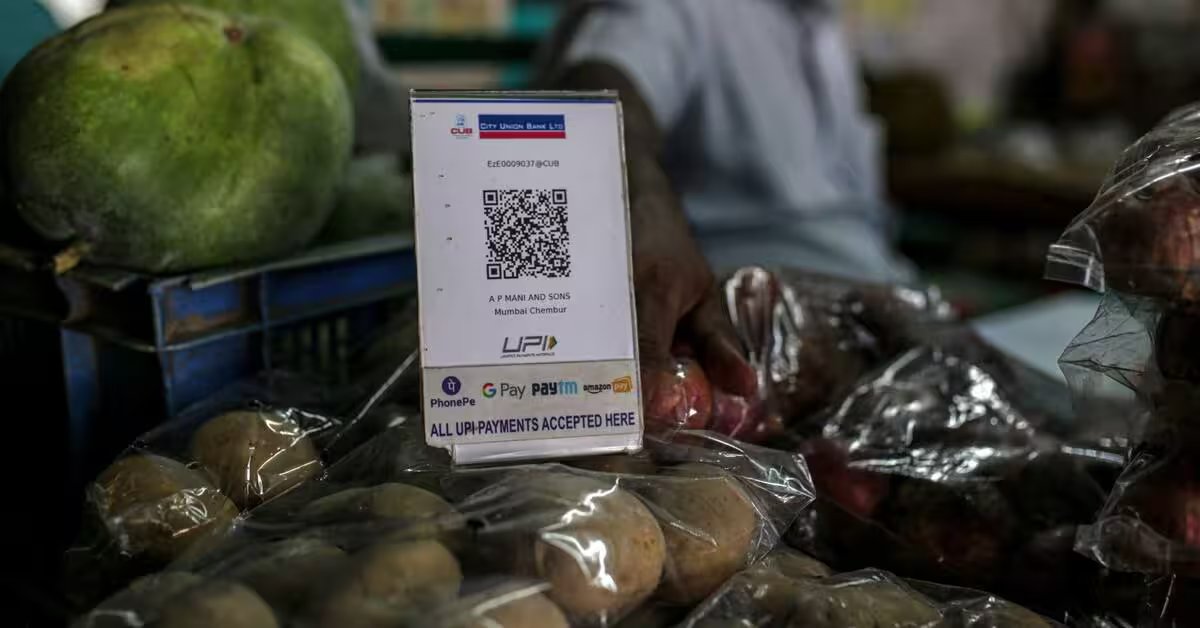
NPCI has stated that scanning QR codes at local markets, street vendors and small retail shops will remain completely free for consumers. The customer-facing side of a QR transaction involves zero fees, regardless of the purchase amount. The policy has been designed to protect daily micro-purchases, such as payments at tea stalls and for local transport, from any cost burden.
Are there any monthly limits on free UPI transactions?
No. There are no monthly quotas, volume limits or tiered caps on free UPI transactions for individual consumers. According to NPCI, users can make as many valid person-to-person (P2P) or person-to-merchant (P2M) transactions as required throughout the month without hitting a fee threshold.
While individual banks and NPCI enforce standard daily security caps on aggregate transaction amounts, typically ranging from ₹1 lakh to ₹5 lakh depending on the transaction category, these are risk-management parameters and not commercial charge tiers.
Will AutoPay payments become costlier?
Consumers relying on automatic payments for OTT platforms, monthly utility bills, and recurring investments may have concerns about MDR. However, NPCI has clarified in its FAQs that automated recurring standing instructions, known as UPI Mandates or AutoPay, do not carry prescribed MDR transaction charges.
How can users verify official updates on UPI charges?
To avoid confusion, misinformation, social media rumours or misleading reports regarding payment charges, NPCI has advised citizens to rely on official updates published by the Ministry of Finance, the Reserve Bank of India (RBI) and NPCI. Official press releases issued through the Press Information Bureau (PIB), RBI and NPCI remain the primary sources of authentic regulatory information. Users can also check verified notifications within their banking applications.