Late B2B Payments Tax 4.1% of Corporate Revenue
A well-prepared finance department typically implies a well-prepared business. And that’s supported by new PYMNTS Intelligence research in the June 2026 edition of the Growth Corporates Working Capital Index,which revealed that today’s strongest finance organizations are treating liquidity as something to position in advance, not something to source after a problem emerges.
These leading firms are treating financing, supplier structure and payment choice as parts of a single operating system designed to give management more options. That creates a different kind of financial advantage.
A company that turns to working capital after a cash shortfall appears to be using the same financial tools as a company that secures liquidity to fund an expansion, lock in inventory or negotiate better supplier terms. But economically, those companies are operating from opposite positions.
One is responding to events. The other is preparing for them.

We’d love to be your preferred source for news.
Please add us to your preferred sources list so our news, data and interviews show up in your feed. Thanks!
Working Capital Is Becoming Pre-Positioned Corporate Capacity
- The best CFOs use working capital before they need it. Eighty percent of top performers primarily use working-capital solutions for planned growth, while 67% of bottom performers mainly use them for emergencies.
- Supplier complexity is becoming a balance sheet issue. Companies with fewer than 50 active suppliers posted a 23-day cash conversion cycle, compared with 49 days for firms managing more than 100.
- Payments are quietly becoming financing products. Top-performing firms are much more likely to view virtual cards as working capital tools, blurring the traditional line between treasury and accounts payable.
- AI is becoming table stakes, not the differentiator. Seven in 10 Growth Corporates use AI to improve working capital efficiency, but higher adoption alone does not translate into better cash performance.
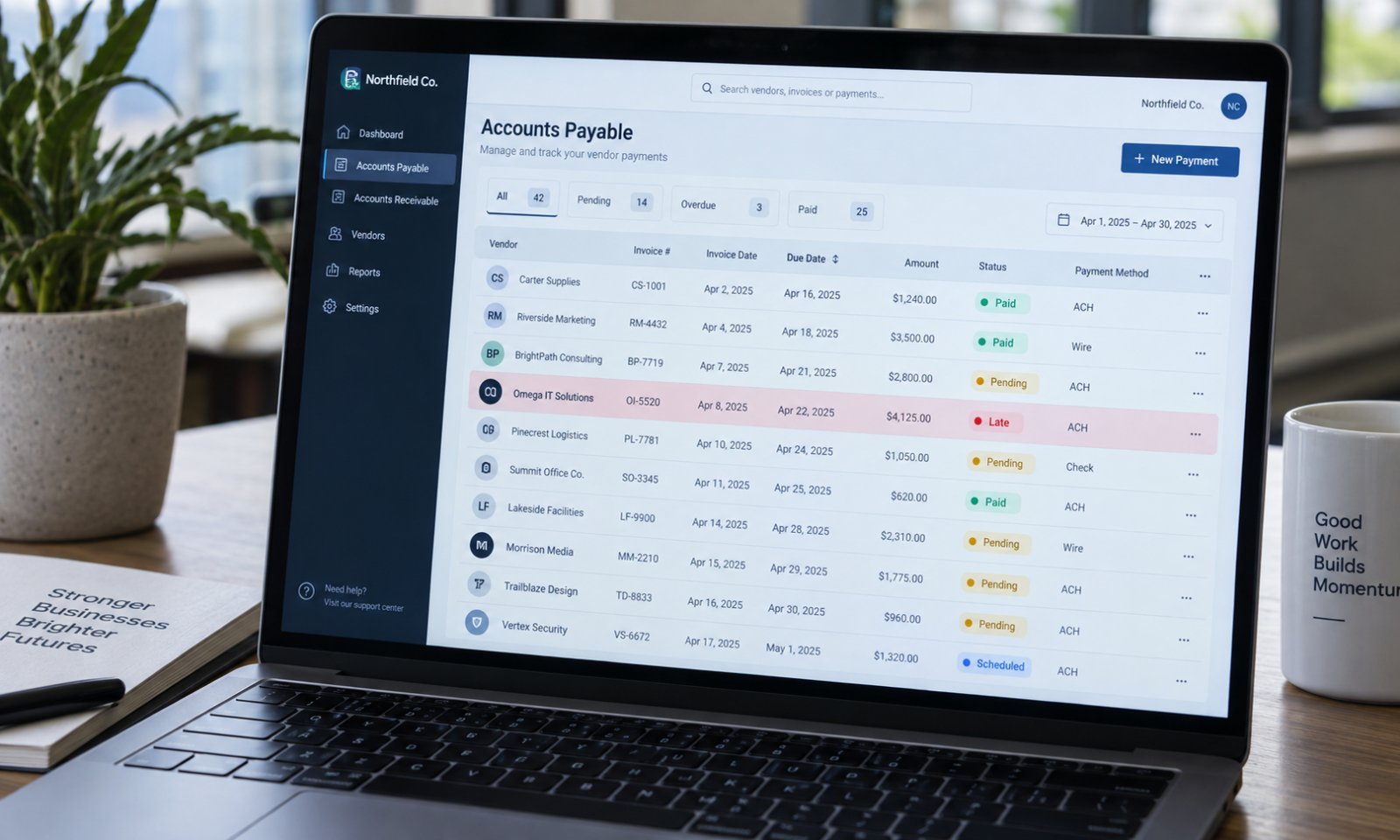
- Late payments increasingly look like revenue leakage. Growth Corporates report losing roughly 4.1% of revenue chasing overdue B2B payments, reframing receivables friction as an economic problem rather than an administrative one.
Why it matters: Investments in collections, reconciliation and payment automation should be measured against revenue preserved and working-capital value created, not just headcount saved.
Read the report: The 24-Day Advantage: What Top-Performing CFOs Know About Working Capital
For years, companies tended to separate the question of how they financed obligations from the question of how they paid them. Today, the payment instrument itself can affect when corporate cash leaves the balance sheet, when suppliers receive funds and whether third-party credit is inserted between the two.
The strongest finance organizations, as a result, appear to be designing supplier networks, financing arrangements, payment mechanisms and automation systems so that liquidity is available before management needs to make the next decision.
The next advantage may not belong to the company that can move cash the fastest. It may belong to the company whose cash is already positioned to move.
At PYMNTS Intelligence, we work with businesses to uncover insights that fuel intelligent, data-driven discussions on changing customer expectations, a more connected economy and the strategic shifts necessary to achieve outcomes. With rigorous research methodologies and unwavering commitment to objective quality, we offer trusted data to grow your business. As our partner, you’ll have access to our diverse team of PhDs, researchers, data analysts, number crunchers, subject matter veterans and editorial experts.