Mastercard Considers Selling Vocalink UK Payments Business
Mastercard is reportedly considering a sale of its U.K. retail payments business Vocalink.
That’s according to a report Monday (July 13) from the Financial Times (FT), which says this move comes as Mastercard fields concerns about a “strategically critical” asset being under American ownership.
These discussions, the report added, come at a pivotal moment for Vocalink, which provides the systems upholding key parts of the British financial infrastructure. The company is readying itself to seek a contract to build a new payments platform for the U.K..
The report cites two sources briefed on the discussions, who say talks are at a very early stage. A spokesperson for Mastercard declined to comment when reached by PYMNTS.
Mastercard acquired a majority stake in Vocalink from a group of 18 British banks in 2016 for 700 million pounds. One source told the FT that a deal for a 51% stake in the company could be worth roughly 400 million pounds ($535 million).
According to the report, one potential buyer could be DeliveryCo, a new company backed by many of the U.K.’s top banks and payment firms that was established to handle the procurement and funding of the next iteration of the country’s retail payment system.
However, the sources told the FT DeliveryCo is still setting up its funding and governance arrangements, meaning a deal with Mastercard is unlikely to happen before next year.
The FT notes that the potential sale is happening amid concerns by England’s government and central bank about the lack of competition for Mastercard and Visa, which handle the wide majority of retail payments in the U.K.
The U.K.’s Financial Conduct Authority in May announced it had launched an investigation into PayPal, Mastercard and Visa to determine whether the three companies engaged in what it called “anti-competitive conduct linked to the funding and usage of PayPal’s digital wallet.”
All three companies have said they would cooperate with the FCA’s probe.
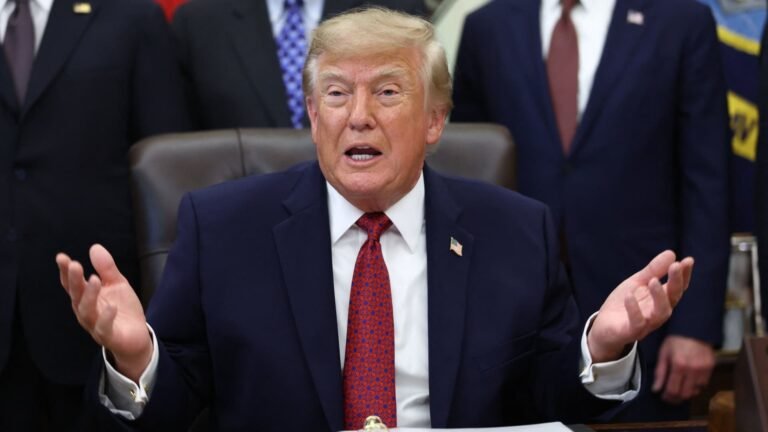
Another source of unease is President Donald Trump’s willingness to intervene in the overseas operations of U.S. companies, the FT report added, citing the example of the White House’s recent export controls on artificial intelligence startup Anthropic.
PYMNTS Intelligence has collaborated with Mastercard on research reports, including the recent “The Cross-Border Opportunity: What Global Sourcing by US SMBs Means for Payment Providers.” It found that the wall between corporate operations and small and medium-sized business (SMB) workflows has begun to grow more porous.
“As international sourcing becomes routine rather than exceptional, America’s small businesses are inheriting enterprise finance responsibilities ranging from foreign exchange management to supplier liquidity and cross-border cash flow,” PYMNTS wrote earlier this month.