Pulte, FHFA fraud crackdown heightens counterparty vetting risks
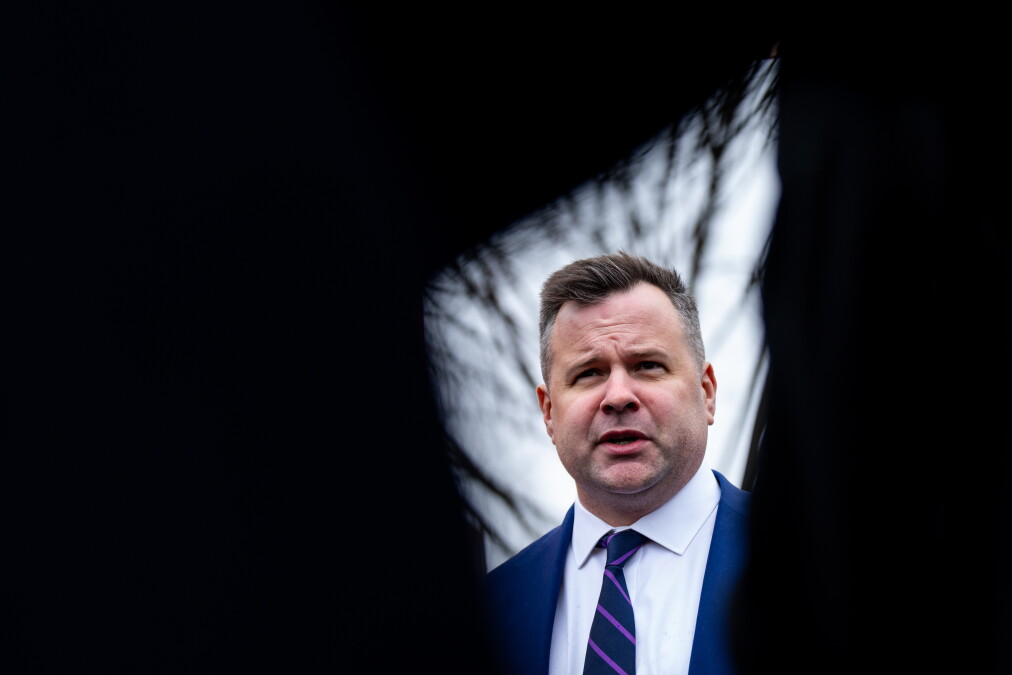
Bill Pulte is banning people from doing business with the government-sponsored enterprises at a faster rate than his predecessors.
Processing Content
The Federal Housing Finance Agency has added 51 names to its
Since taking office, Pulte has overseen the suspension of 65 individuals, an amount under a single director only surpassed by the 96 counterparties banned by Sandra Thompson in her three-and-a-half year directorship. FHFA General Counsel Clinton Jones has signed off on all of those bans since taking his position in February 2021.
The regulator does not comment on additions to the SCP, and did not respond to requests for comment Friday. Pulte, however,
Who’s on the list
The individuals, most of whom are suspended indefinitely, are barred from working with the FHFA-regulated entities Fannie Mae, Freddie Mac and the Federal Home Loan Banks. The regulator flags people who have a conviction or administrative sanction within the past three years that pose a risk to the GSEs, and suspensions are typically finalized years after legal proceedings.
The program spans a wide variety of convicted fraudsters and isn’t limited to loan officers and real estate agents. The last addition on Aug. 26, Elvina Buckley, is a former Realtor who pleaded guilty last year to a charge related to
Other suspended counterparties are serving federal prison sentences. That includes Mohammad Zafaranchi, who was convicted last December for running a fraudulent loan modification call center and was
The previous high-number of suspensions in a calendar year were 38, under Thompson’s purview in 2022. Following Pulte and Thompson, ex-FHFA director Mel Watt oversaw the banning of 51 people during his five-year term from 2014 to 2019.
Tim Rood, founder and CEO of compliance automation firm Impact Capitol, said that he hasn’t seen the number of suspensions rise dramatically since Pulte took the helm at FHFA.
“I don’t know that we can speculate that Pulte is spending a lot of time on this,” he said in emailed comments. “The staff normally addresses this issue and publishes those who have been approved for suspension — which has different time frames.”
Over the past two years, the FHFA has also removed eight individuals and two companies from the list, while three additional people saw their suspensions expire. While people placed on the SCP can appeal their ban, the FHFA does not clarify why individuals were removed. The live platform also doesn’t provide information on possible prior removals and expirations.
Enforcement updates
The bans come as the FHFA has proposed removing “reputational harm” as a trigger for placement on the SCP. The regulator suggested the condition potentially diverts resources from more salient risks.
A federal lawmaker has also floated a bill to grant the FHFA even more oversight over third-party vendors amid the
The regulatory reach is granted to other regulators and was temporarily given to the NCUA, but that power has since expired, Foster explained.
“We have learned the hard way how much damage supply chain vulnerabilities can cause, and third-party vendors are attractive targets,” said Foster in a press release this week. “This bill will give regulators the tools they need to better protect Americans’ money and sensitive data as AI-assisted cyber threats grow.”