Ganpati pandals step up insurance cover as festival risks mount | Insurance News
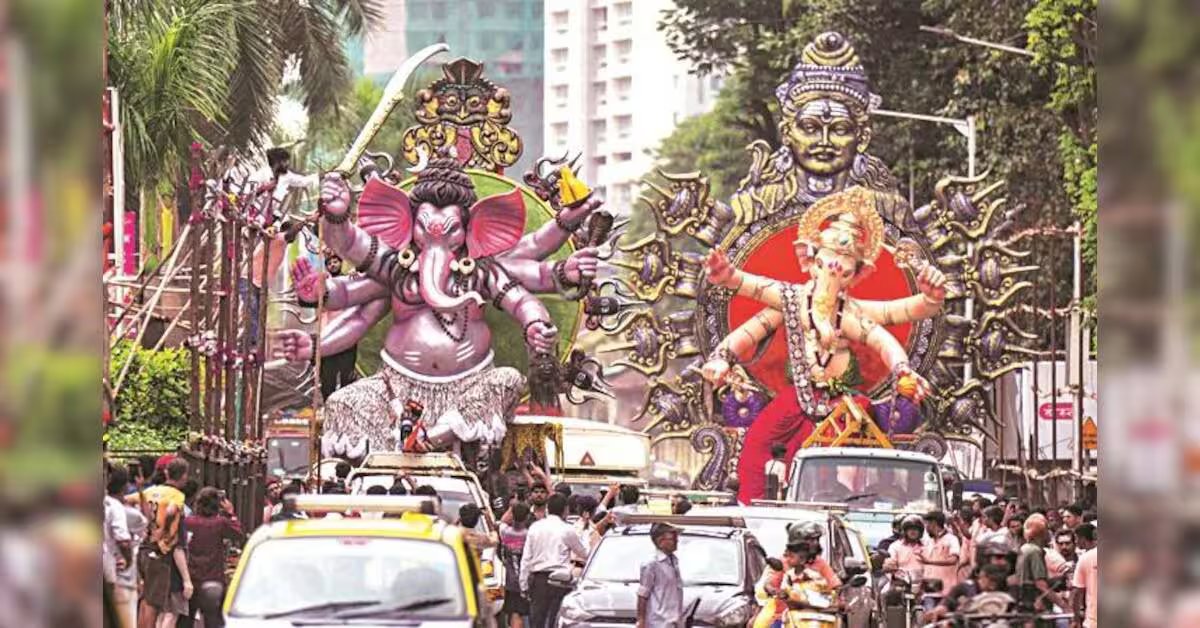
Demand for insurance among Ganpati pandals has witnessed a sharp increase this festive season, with organisers becoming increasingly conscious of risks from natural calamities, fire, burglary, riots and accidents.
Public sector general insurers are among the leading players in the festival insurance segment. Oriental Insurance is the official insurer for the Maharashtra government’s Dahi Handi festival and, along with New India Assurance, has a significant share of the insurance market for Ganpati pandals.
According to Oriental Insurance, it has already insured around 100 Ganpati pandals this year, compared with only about 20-30 pandals last year. The sharp increase has also been aided by some larger pandals sponsoring insurance cover for smaller pandals.
The pandals have been insured for around Rs 7 lakh for a premium of about Rs 3,000 each. The comprehensive policies cover risks including fire, floods, burglary, riots and loss of collections, besides the Ganesh idol and jewellery. Personal accident cover is also provided for people employed at the pandals. Last year, pandals were insured for similar cover at around Rs 3000-7500 premium.
Some of the larger pandals across the country additionally opt for a separate cover for jewellery placed on the Ganesh idol.
Insurance cover for Ganpati pandals has picked up following the Dahi Handi season, and insurers expect more pandals to opt for policies during the coming week. Among the larger Ganpati pandals, GSB Seva Mandal and Lalbaugcha Raja have significantly higher sums insured. According to media reports, GSB Seva Mandal has taken an insurance cover of Rs 703.27 crore this year, compared with Rs 474 crore last year.
“This year, there is an increase in the number of Ganpati pandals taking insurance cover. Amid the floods in Nepal and prediction of rains during Ganpati time by meteorological agencies is leading to organisers to consider insurance as a risk mitigation tool. There is also an increase in awareness about insurance and organisers are concerned about risks caused by natural calamities as well as those from riots, personal accidents and burglary during the time,” said Hitesh Lakhani, Director, Investacc Insurance Brokers.
Dahi Handi insurance also sees increase
Insurance coverage for Dahi Handi participants has also increased this year. Nearly 168,535 Govindas have been insured, compared with slightly over 160,000 last year, according to Oriental Insurance.
“Each participant has an insurance cover of around Rs 10 lakh for a nominal premium of about Rs 75. The Maharashtra Rajya Dahi Handi Govinda Association (MRDGA) has insured nearly 154,497 Govindas, while Vasai Virar Municipal Corporation has insured around 8,000 participants. Individual mandals have also taken separate insurance policies. The number of mandals insured has risen to 2,002 this year from 1,968 last year,” said Sachin Khanvilkar, Manager, Oriental Insurance Company.
Dahi Handi, celebrated on Krishna Janmashtami, involves Govindas forming human pyramids to reach and break a pot suspended high above the ground. The activity carries significant risks of falls and injuries, making personal accident and hospitalisation cover an important component of the festival insurance.
The Maharashtra government had also announced insurance coverage for 160,000 Govindas participating in the Dahi Handi festival, with around Rs 1.12 crore reportedly allocated from the Sports Development Fund for the purpose. The hospitalisation cover has been increased to Rs 2 lakh per Govinda this year from Rs 1 lakh last year.
The need for such coverage has been underscored by accidents during this year’s Dahi Handi celebrations, amid reports of multiple deaths and injuries across Maharashtra.
The increase in insurance adoption among Ganpati pandals and Dahi Handi organisers reflects a broader rise in awareness around event-related risks. Major religious festivals such as Ganesh Chaturthi, Dahi Handi and Durga Puja involve large public gatherings, valuable assets and, in some cases, activities involving significant physical risk.
With government bodies also supporting insurance coverage for certain festivals, organisers are increasingly being encouraged to consider comprehensive policies to protect participants, assets and event infrastructure against unforeseen incidents.
Insurers and brokers expect demand for event insurance to remain strong during the festive season as organisers increasingly view insurance not merely as a compliance requirement but as a risk-mitigation tool against natural calamities, accidents, fire, theft, riots and other disruptions.