Is Private Equity to Blame for Syracuse Apartment Disaster?

This New York Times headline, published Friday, caught my attention: “How a Private Equity Group Drove an Apartment Complex Into the Ground.”
The story, about four Syracuse buildings descending into ruin, surely reinforced the negative view many folks have of private equity. But was the PE model really to blame?
My pro-business former boss Greg David is sure of it. Then again, “Private Equity is Evil” is the second class of his CUNY course on markets. And my old colleague Josh Kosman, a former New York Post business reporter, wrote a book about how private equity takes over companies, loads them up with debt, sucks them dry with fees and leaves them for dead.
When I typed “Did private equity” into Google, it suggested “kill Toys R Us?” Many believe it did so. But Jeff Bezos claimed to have doomed the retailer five years before KKR, Bain Capital and Vornado Realty Trust acquired it in 2005. Walmart may have played an even bigger role than Amazon in crushing Toys R Us.
But when you buy something and it goes under, you get the blame. That is certainly the case with the Syracuse complex at 131, 161 and 181 Lafayette Road.
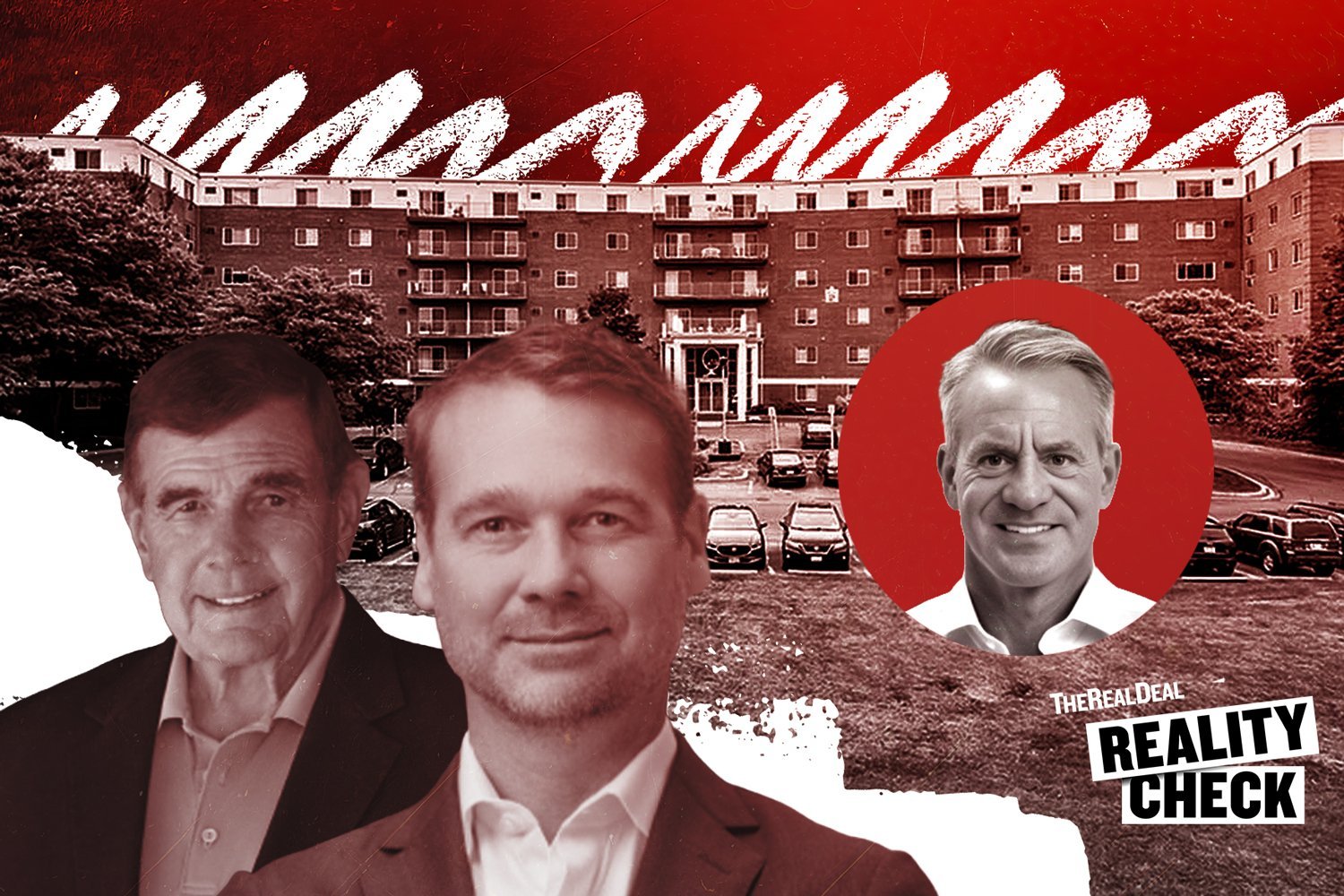
Nob Hill Apartments, with 761 units on 28 acres, became the city’s pre-eminent rental property after opening in the early 1970s. Today, it’s a wreck and scarred by tragedy: A senior citizen died in a February fire that began in his apartment.
No one disputes that Nob Hill deteriorated after Patrick Nesbitt’s California-based Windsor Capital Group bought it from its longtime owner for $58.5 million in 2018. His friends Teodoro Calle of Ecuador and Fred Fellows of West Palm Beach took smaller stakes, as did Buffalo developer Nicholas Sinatra, who had brought Nesbitt the deal.
In one of the most surprising quotes you’ll see from a business person, Nesbitt told the Times, “Nob Hill has been an unmitigated disaster from almost the beginning of our ownership.”
Yet he didn’t accept blame, saying, “My son and I are serious, thoughtful real estate owners, investors and operators.” He has a 40-year record and a vast portfolio to back that up. His son, Patrick Nesbitt Jr., now runs the firm, which has been rebranded Windsor Hospitality.
Their goal for Nob Hill, minority owner Calle told the Times, had been “to invest a substantial amount to make it better, and try to improve the occupancy and the tenants.” (“Improve the tenants” is real estate-speak for raising rents.)
It was a standard business plan, but the necessary improvements didn’t happen.
What went wrong?
The owners, after being sued by Attorney General Letitia James and Syracuse’s mayor this July, blamed the city for sending violation notices to Windsor’s lender in Texas rather than to the owner’s Santa Monica headquarters, and said its Dallas-based property manager had also kept them in the dark.
“On several occasions city inspectors have visited the property and given verbal assurances that specific violations were cleared, only to have those violations stay open in the city’s records,” Windsor added. “In other instances, the city has provided incomplete or inconsistent information on specific violations.”
Bad property management is a leading suspect in this debacle. Sinatra, the only local owner, managed Nob Hill after the July 2018 purchase. He was replaced in 2022 and told the Times that the property went downhill after that.
Tenants agreed, saying in the first years of the new ownership, they had only noticed small problems like uncut grass and pool closures. The precipitous decline began after Sinatra left.
“Uncollected garbage overflowed from dumpsters and trash chutes, and the elevators failed,” the Times wrote. “Broken locks were never fixed, inviting squatters to occupy vacant apartments and do drugs in the lobbies.”
Windsor changed property managers at least three times, and says the current one hired three local people and has cleared all but a few violations. Perhaps it should have just stuck with Sinatra, who had a vested interest in maintaining the complex.
But there were other factors. For one, 2018 was a bad time to buy an aging, multifamily property. The pandemic likely depressed rents and collection rates, and interest rates began soaring in 2022, although that wouldn’t explain why upgrades weren’t made in 2019.
Consider also the age of the complex. Multifamily buildings tend to break down after 40 years, especially in a city with brutal winters. That could explain the in-and-out heat and the “black and green ooze” dripping from faucets, but not the failure to repair locks and keep squatters out.
The boogeyman narrative
Patrick Nesbitt didn’t become wealthy by running properties into the ground, and the investors who bought Nob Hill won’t be able to sell it for a quick profit, as private equity tries to do: Last year, Fannie Mae, which lent Windsor an astonishing 90 percent of the purchase price, filed to foreclose.
One critic of private equity told the Times that because the loan-to-value was so high, the investors had little to lose. But that hardly explains their failure. They wanted to make money, not lose it. If the private equity model is to suck money out of its acquisitions, that certainly didn’t happen here.
The convenient narrative offered by the Times doesn’t explain Nob Hill’s demise. More likely (if less satisfying) reasons include:
- The aging complex was in worse condition than the new owners realized when they bought it, and soon it was worth less than its mortgage balance
- The new owners’ lack of familiarity with Syracuse delayed renovations, which were deferred as they saw little upside to further investment in Nob Hill
- The pandemic hit, rent revenue fell, and inflation and interest rates rose; one group of activist tenants owes more than $700,000 in rent
- A falling out with a minority owner led the Nisbetts to replace him as property manager, but the successors they hired were incompetent and violations piled up
- The elder Nisbett was 3,000 miles away, easing into retirement and passing the reins to a son who had other priorities, namely a focus on hospitality
The Nisbetts said they learned about Nob Hill’s problems from media reports in November 2024 and promptly took action. That’s not a good excuse, but this situation arose from human failures, not a failed ownership model.