
Should Investors Be Worried About Tesla’s Slowing Growth?
On the face of it, Tesla‘s (TSLA -3.22%) recent earnings report was a cause for concern. Soaring operating expenses and capital expenditures are eating into earnings and cash flow in 2026, and there are plenty of declining operating metrics that bears can point to make their case for the stock. Still, is the weakness in the headline numbers a reason for concern?
Tesla’s slowing growth
Tesla’s second-quarter earnings report surprised investors. The revenue line wasn’t a surprise, as the market had already been prepared by the excellent electric vehicle (EV) delivery numbers released in early July. However, its growth wasn’t matched by comparable earnings performance.
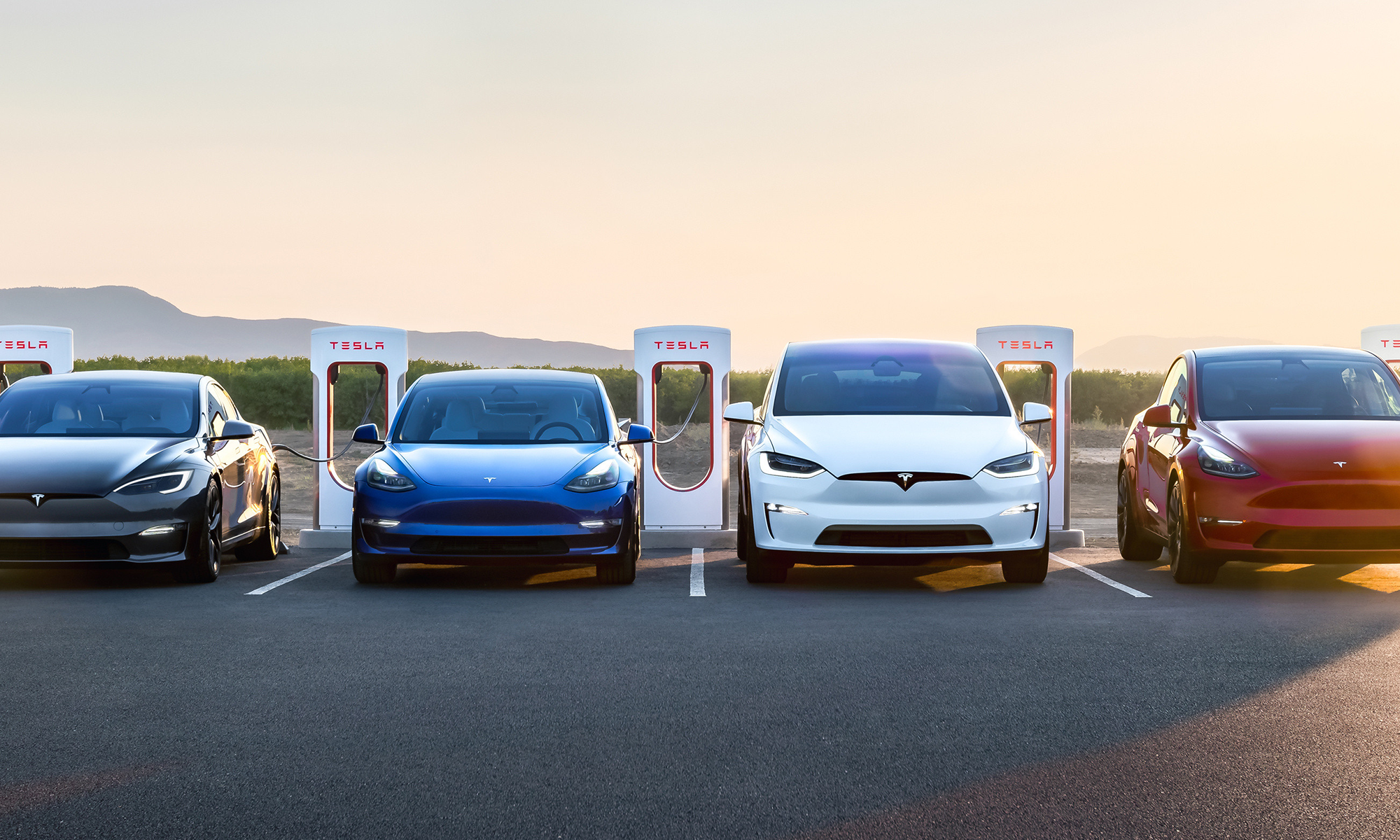
Image source: Tesla.
The reason comes from surging operating expenses driven by ramping research and development, “including preproduction ramp costs for new products like the Semi truck, Optimus, Cybercab, and other AI initiatives, as well as the appreciation for an additional compute that we brought online,” according to CFO Vaibhav Taneja on the earnings call.

Today’s Change
(-3.22%) $-11.86
Current Price
$356.09
Key Data Points
Market Cap
Day’s Range
$352.96 – $362.70
52wk Range
$297.38 – $498.83
Volume
188.1K
Avg Vol
41.5M
Gross Margin
18.85%
As readers already know, there was also pressure on the cost of goods sold as the cost of providing attractive financing to induce EV sales increased costs, and Tesla had an unfavorable sales mix.
Moreover, Taneja expects Tesla’s operating expenses “to continue to grow in 2026 and beyond,” just as he expects the more than $25 billion in capital spending in 2026 to increase over the next two to three years as Tesla expands robotaxi rollout and Optimus production capacity.
|
Tesla |
Q2 2025 |
Q2 2026 |
Change |
|---|---|---|---|
|
Revenue |
$22,496 million |
$28,236 million |
25.5% |
|
Gross Profit |
$3,878 million |
$4,751 million |
22.5% |
|
Operating Expenses |
$2,955 million |
$4,353 million |
47.3% |
|
Operating Income |
$923 million |
$398 million |
(56.9%) |
Data source: Tesla presentations.
What it means to investors
Rising operating expenses and capital spending threaten Tesla’s margin performance, and at a time when EV industry sales haven’t met the expectations most investors had just a few years ago. It’s certainly nowhere near helping Tesla reach the 50% annual growth figure Musk discussed in early 2021.
But here’s the thing: The worries about slowing growth and margin pressure on its current business will disappear if Tesla’s robotaxi business takes off.
Tesla has never been just a car company
The ultimate aim and logical denouement of the EV industry is autonomy, and specifically, robotaxis. EVs are more expensive up front than internal combustion engine (ICE) vehicles, but have significantly better cost-per-mile metrics. The best way to realize the full value of EVs is to run them more, and autonomous robotaxis are the ideal solution.
There’s a reason why Ford, General Motors, Alphabet‘s Waymo, and many others have spent billions trying to develop autonomy/robotaxis, and none has, as yet, pronounced a commercially viable service. That’s the space Tesla hopes to expand into by ramping up its robotaxi business. There’s also a reason Tesla bulls, like Ark Invest, expect 88% of the company’s value to come from its robotaxi in 2029.

Image source: Getty Images.
The good news is that Tesla is making progress on its Cybercab/robotaxi program, with Cybercab set to launch in early September. Tesla continues to develop the versions of full self-driving that it believes its robotaxis will ultimately run on, and robotaxis are demonstrating excellent safety data so far in 2026.
All told, slowing growth will only be a major concern if Tesla’s robotaxi rollout experiences further delays due to the reset expectations set by Tesla’s management. The risk in the EV business is rising, but it’s arguably going down in the robotaxi business, and the latter matters more for the stock.