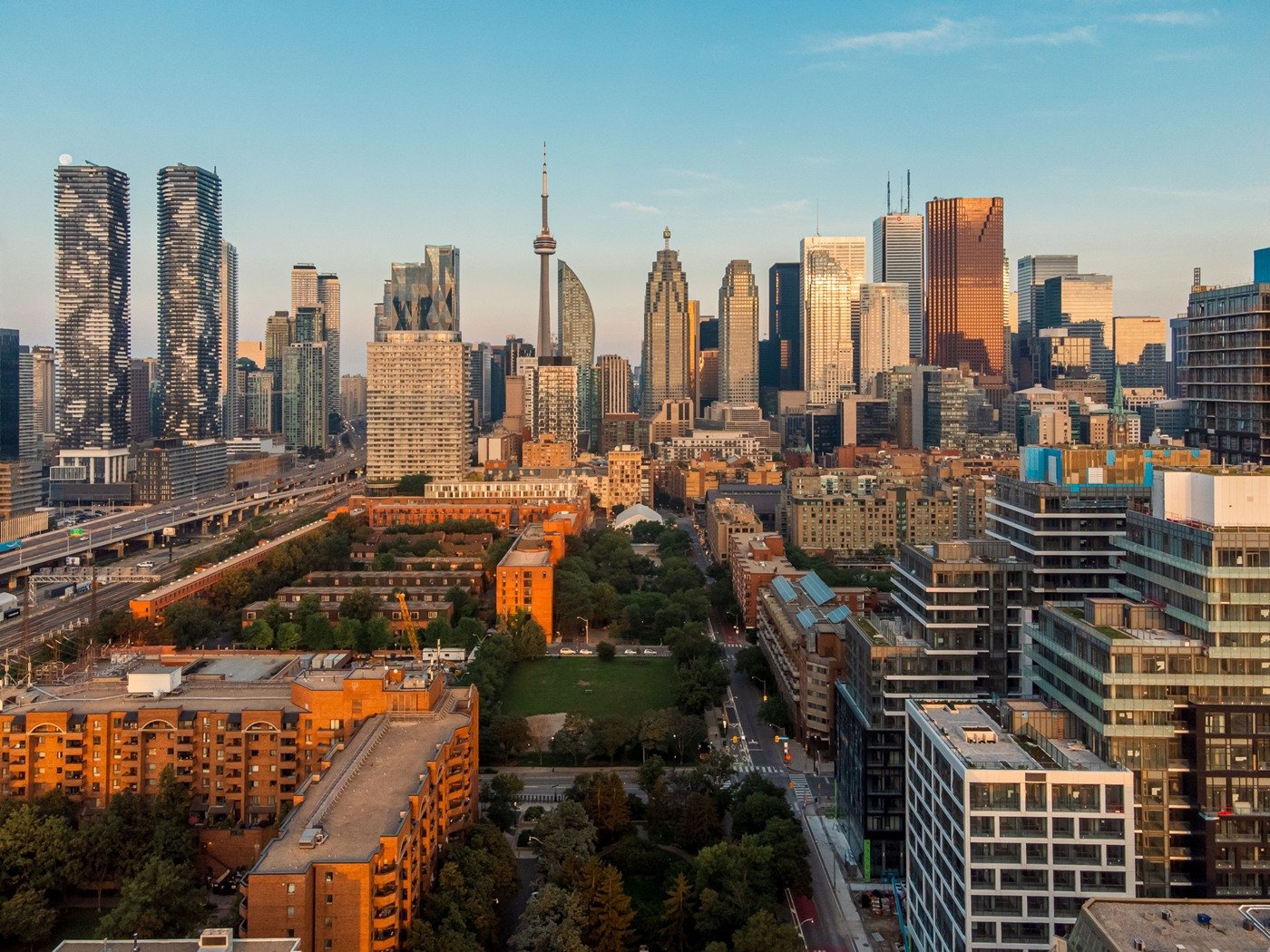
Toronto falls from fastest-growing metro to 412th as residents move elsewhere
Toronto fell from the fastest-growing metropolitan area in Canada and the United States in 2024 to 412th out of 435 metros in 2025, according to a new analysis from Toronto Metropolitan University’s Centre for Urban Research and Land Development.
The report, authored by senior economist Diana Petramala and senior research fellow Frank Clayton, compared population growth across Canadian census metropolitan areas and U.S. metropolitan statistical areas during the 12 months ending July 1, 2025.
While Toronto’s slowdown partly reflected lower immigration, the researchers said persistent losses to other parts of Canada also weighed heavily on the region’s ranking.
“At first glance, one might assume Toronto’s sharp drop in the rankings was driven by lower federal immigration targets,” Petramala and Clayton wrote. “Not quite.”
Toronto still recorded one of the highest levels of international migration among major North American metropolitan areas, ranking fifth for net international inflows. Montreal ranked sixth.
However, those gains were offset by negative domestic migration, with more residents leaving the Toronto region for other parts of Ontario and Canada than moving into it.

Calgary and Edmonton lead Canadian growth
Calgary and Edmonton were the only Canadian metropolitan areas to rank among the 10 fastest-growing metros in Canada and the U.S. by absolute population growth.
Calgary ranked seventh and Edmonton eighth, while Montreal fell to 25th. Vancouver dropped to 92nd after ranking sixth a year earlier. Toronto had ranked first in 2024, while Montreal and Vancouver had placed fifth and sixth, respectively.
No Canadian metropolitan area ranked among the North American top 10 for net domestic migration, with the list dominated by fast-growing regions in Texas and Florida.
The TMU researchers said Toronto’s falling ranking reflects more than the federal government’s effort to slow population growth through lower immigration targets.
“Toronto’s sharp population slowdown reflects a combination of factors, including a reduction in immigration,” they wrote. “However, the city’s rank among other North American cities reflects sharp trends in out-migration of its existing population.”
The report suggests housing affordability may be contributing to that outflow as residents seek less expensive markets elsewhere in Canada.
“As the region attracted newcomers from around the world at lower rates than in 2024, increasingly unaffordable housing appears to be pushing many residents to other parts of Canada,” the researchers concluded.
Visited 1 times, 1 visit(s) today
inter-provincial migration Ontario emigration real estate trends toronto Toronto Metropolitan University
Last modified: July 10, 2026