Mamdani Housing Court Fast Track Aims to Expedite Urgent Hearings
The Mamdani administration announced a new housing court fast track aimed at making it easier to pursue enforcement against landlords for overdue repairs and for tenants to get urgent cases before judges more quickly.
The administrative judge’s directive aims to cut wait times for urgent cases involving widespread hazardous conditions, vacate orders and Article 7A proceedings, which can put troubled buildings under third-party management.
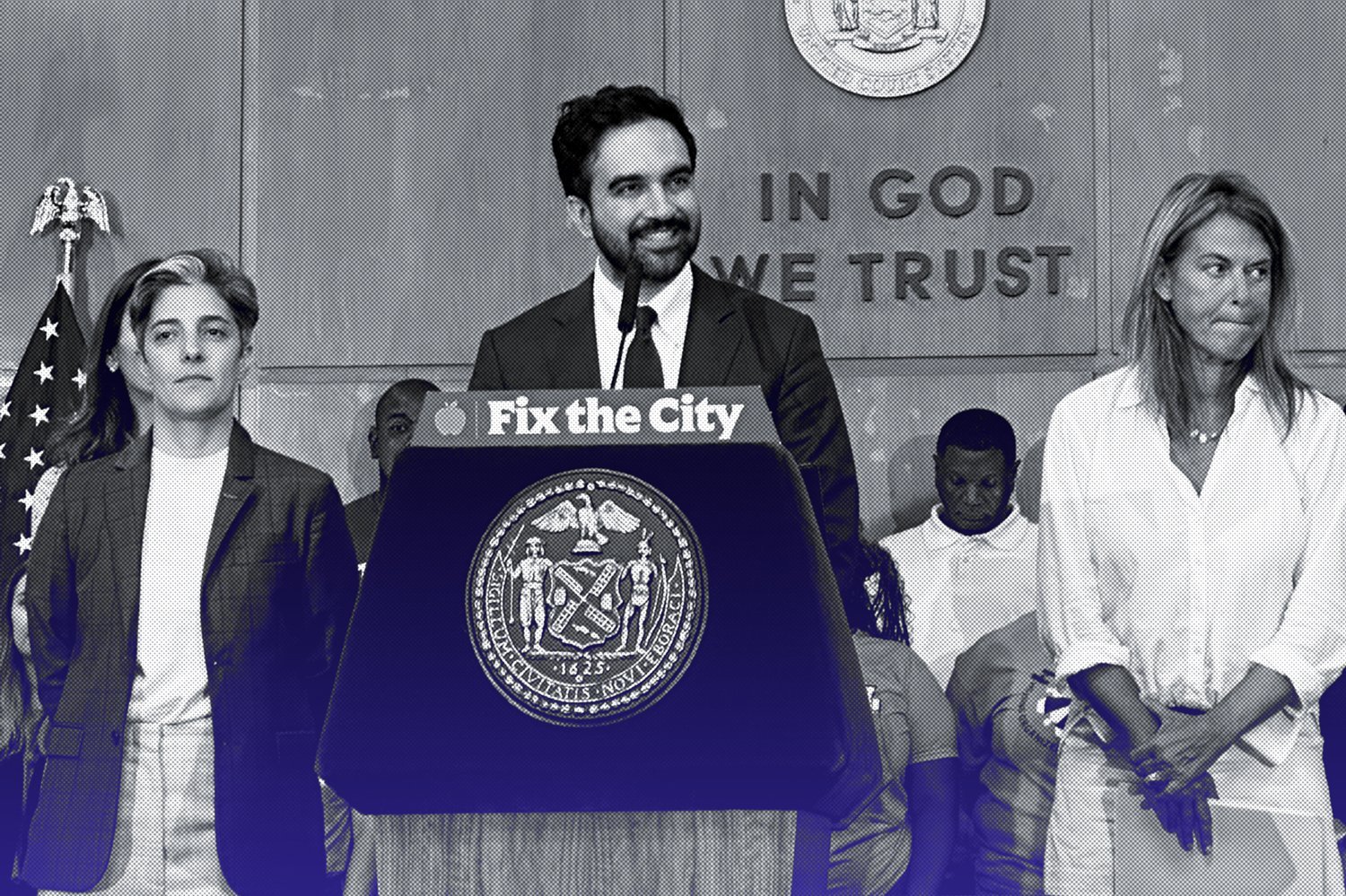
The fast track is part of Mamdani’s Fix the City initiative, which has targeted what the administration calls the city’s “most persistently negligent landlords.” Building owners who bemoaned the sluggish housing court process may get more than they had bargained for in the crackdown on negligence and overdue repairs to come.
The fast track seeks to eliminate downtime between steps and limit adjournments, according to Ed Josephson, supervising attorney at Legal Aid.
“Only when absolutely necessary should there be an adjournment,” he said. “So if they come to court and they say, ‘We really need six months to fix the building’ and they really need it, the judge can allow them the six months. But what they’re not going to allow is six months then they come back and ask to adjourn again. It just cuts out all of the dead time.”
The fast track would mainly apply to housing part cases that impact one-third or more of the apartments in a given building. Cases involving broad vacate orders, open HPD violations for lack of basic utility services or out-of-service elevators will be assigned a judge on the same day they are filed, as will Article 7A proceedings in which tenants or the city seek to appoint a third-party manager for buildings with an open, “immediately hazardous” HPD or DOB violation.
“What we are talking about today are some of the most severe cases,” Mamdani said. “When it comes to the law, everyone has to follow it, and for far too long, that has somehow not been understood when it comes to housing in our city. If a landlord is not able to follow the law, then they should not be the landlord of that property.”
Once service is completed in these types of cases, parties will have five days to appear in court under the fast track, which will also expand the number of judges eligible to handle housing part and 7A cases.
“What triggered for us was understanding where we are getting bottlenecked, why do we have buildings that look like that, why do we have tenants who are living in shelters, that HPD pays for, more than 18 months or two years? It’s totally unacceptable,” Dina Levy told The Real Deal. “When we put our heads together to imagine what would solve it, it became clear that it’s time.”
The Mamdani administration plans to play an active role in housing court, signaled by the administration’s $14.3 million investment in tenant representation for fiscal 2027, followed by $40 million invested annually after that.
“When a building is dangerous, when an elevator is out or when a landlord has abandoned their responsibility to provide a safe home, tenants should not have to wait months or years for relief,” Mamdani said in a statement.
The city only has about two dozen active 7A administratorships, City Limits reported in July. Ramping up proceedings would require more nonprofit, for-profit or community housing organizations to take on management of troubled buildings.
“We also have a process by which we can take in new administrators, so we are not limited to a specific list and we intentionally keep that open on a rolling basis,” Levy said. “As we need more we can meet the demand by pre-qualifying responsible management companies and receivers who can step in.”
Read more

NY Dirt: Mamdani begins Rental Ripoff rollout, starting small

Even Mamdani’s favorite landlords are exasperated

Mamdani’s new “bad landlord” strategy