Think choosing a bad fund is your biggest mistake? These 3 can cost even more
Choosing the right mutual fund is often seen as the key to successful investing. Investors compare past returns, fund managers and expense ratios before deciding where to put their money. However, according to wealth managers, the biggest threat to long-term returns often has little to do with fund selection.
“A mediocre fund might cost you a couple of percentage points a year. Bad timing can cost you the better part of the compounding altogether,” said Bhalchandra Joshi, Chief Business Officer and Chief Operating Officer at The Wealth Company Mutual Fund.
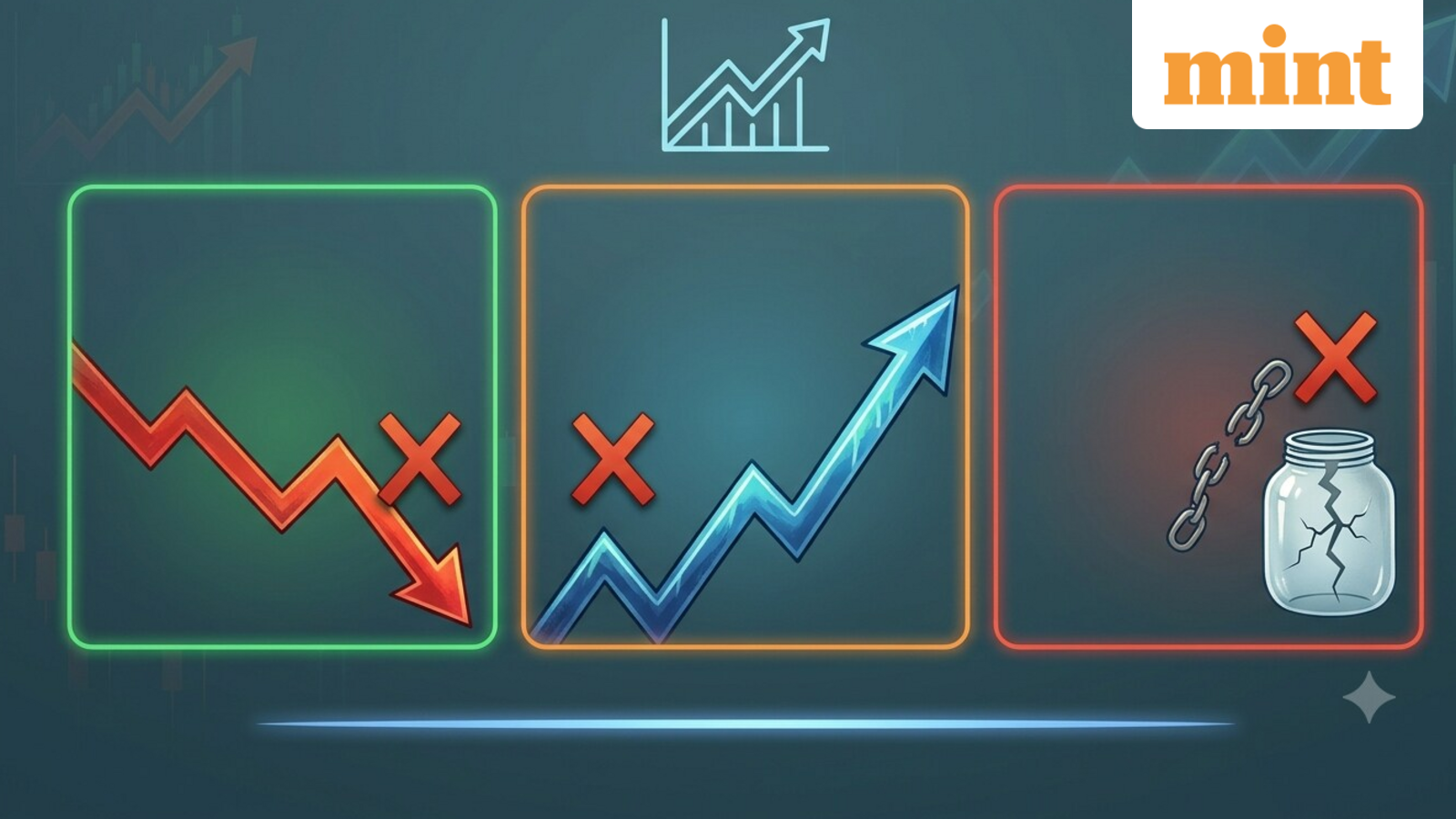
Here are three mistakes experts say investors should avoid.
1. Selling investments during market corrections
Market declines often trigger panic among investors, prompting many to redeem their mutual fund investments. However, experts say this is precisely when long-term wealth takes the biggest hit.
“What we see, almost without fail, is that redemptions pick up after the fall, not before it,” said Joshi. “The fear isn’t really about the market. It’s about watching your own statement turn red month after month.”
He added that many investors redeemed their investments during the sharp market correction in 2020, only to return after equities had already recovered significantly.
Adil Chacko, Executive Director at Anand Rathi Wealth, said redemption decisions interrupt the compounding process and often cause investors to miss the strongest phase of a market recovery.
He pointed to the March 2020 market crash, when the Nifty 50 fell 23% in a single month. During the same period, inflows into small-cap funds dropped by 89%, even though lower valuations presented an attractive entry point. Investors who continued their SIPs participated in the subsequent recovery, with the Nifty Small Cap 250 delivering returns of around 105% between March 2020 and December 2021.
2. Chasing funds after they have already rallied
Another common mistake is investing in funds simply because they have recently delivered strong returns.
According to Chacko, emotional investing and recency bias are among the biggest reasons investors fail to earn the same returns as their mutual funds.
Investors often wait until a category tops performance charts before investing, assuming the rally will continue. By then, however, much of the upside has already been captured.
Chacko cited pharma mutual funds as an example. While the category delivered annualised returns of around 23% in the three years ended April 2022, the average investor earned only about 17% because much of the money entered after the pandemic-led rally had already taken place.
A similar trend was visible in Gold ETFs. Between March 2024 and March 2026, gold prices rose nearly 117%, but about 75% of investor inflows came after gold had already gained around 72%, leaving many investors with only a fraction of the overall gains.
3. Stopping SIPs when markets turn volatile
Experts say SIPs are designed to help investors stay disciplined through market cycles. But many investors cancel or pause them when markets fall, defeating their very purpose.
“SIP investors, on most occasions, handle volatility better than lump sum investors because they’re not making a decision every month; the decision was made once, at the start,” said Joshi. “However, we have also seen SIP investors cancelling SIPs during volatile periods.”
Chacko said historical data show that investors who continue investing through downturns are often rewarded once markets recover.
Analysing Nifty 50 SIP data between FY05 and FY26, Anand Rathi Wealth found that investors who experienced negative returns during the first year of their SIPs but continued investing generated average SIP XIRRs of around 12-13% over the following four years.
Rhishabh Garg, CEO of FundsIndia, believes investors should prepare for volatility instead of reacting to it.
“Redemptions typically rise during corrections, right when they shouldn’t. Selling in a fall converts a paper loss into a permanent one and exits the investor before the recovery, which tends to be sharp and concentrated,” he said.
Garg recommends committing to an investment horizon of at least seven years, continuing SIPs during market declines and increasing SIP contributions by 10% every year.
Choosing a good mutual fund remains important, but experts say long-term returns are influenced just as much by behaviour after investing.