Citigroup, Axis Bank team up on leveraged dollar deposit boom in India | Finance News
By Saikat Das and Bhaskar Dutta
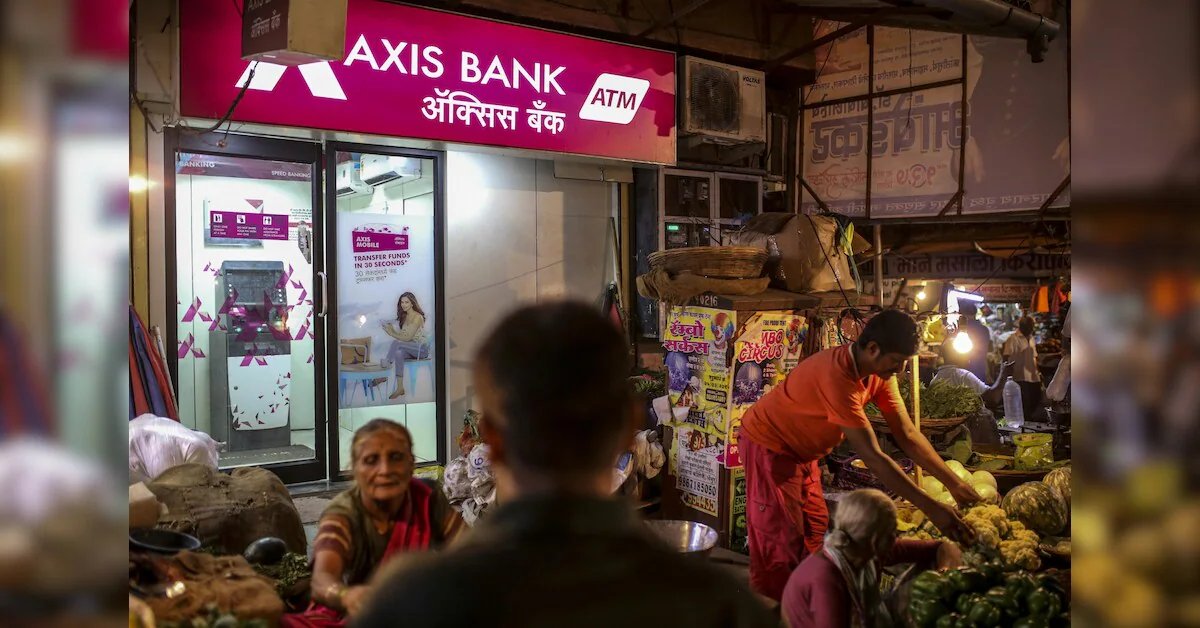
Citigroup Inc. has tied up with Axis Bank Ltd. to finance non-resident Indians investing in foreign-currency deposits with the local lender, according to people familiar with the matter.
Axis Bank will provide standby letters of credit to support financing extended by Citigroup through its offshore operations, said the people, who asked not to be identified because the information is private. The arrangement allows leverage on the amount invested by an NRI, they said.
The tie-up shows how the Reserve Bank of India’s push to attract dollars has spawned a leveraged cross-border trade, potentially multiplying inflows from wealthy members of the diaspora. The central bank has already moved to end its incentive a month early after deposits under the program surged past $52 billion.
The trade is emerging as the RBI seeks to bolster foreign-exchange reserves and ease pressure on the rupee, while creating opportunities for global banks to provide financing offshore even without an Indian retail presence.
Citigroup exited India’s retail banking business through a sale to Axis Bank in 2022. The latest arrangement doesn’t signal a return to the segment, with the Wall Street lender remaining focused on institutional clients.
A spokesperson for Citigroup declined to comment. A representative for Axis Bank didn’t respond to a request for comment.
Axis Bank offers rates of as much as 6.40% on Foreign Currency Non-Resident deposits. The RBI introduced a concessional swap facility in June to encourage such deposits and allowed lenders to issue standby letters of credit against them, enabling overseas banks to provide financing.
The RBI has since shortened the swap window to the end of August from Sept. 30 after strong inflows. Deposits mobilized under the facility totaled $65.4 billion through Aug. 13, according to RBI data.
Indian banks can lend against diaspora deposits or provide standby letters of credit to offshore lenders, with the RBI leaving them to determine how much financing to extend. That has opened the trade to foreign banks with large offshore private-banking networks even if they lack a retail presence in India.