Global bond selloff drives borrowing costs to multi-decade highs
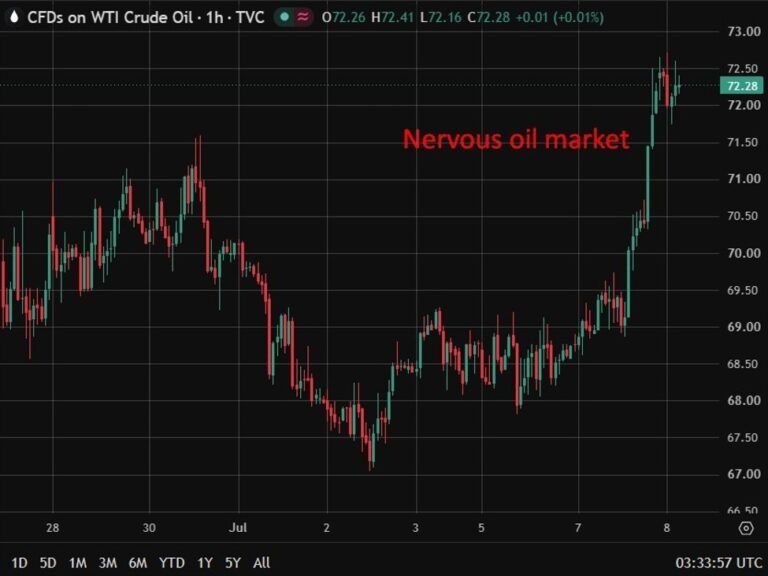
The effective closure of the Strait of Hormuz has kept energy prices elevated and is transmitting cost-push inflation across the broader economy. Investors holding long-dated debt are demanding higher yields to compensate for the erosion of purchasing power they now expect to persist.
The second is fiscal stress. The US national debt is approaching $40 trillion, and the cost of financing an ongoing military conflict is adding to a trajectory that bond markets are increasingly unwilling to ignore.
The third factor is structural. Dan Coatsworth, head of markets at AJ Bell, noted in a Tuesday morning research note reported by CNBC that rising long-dated yields “can also reflect concerns around high levels of government borrowing and investors demanding greater compensation for the risks of holding long-dated government bonds” – a dynamic distinct from inflation expectations alone.
Deutsche Bank strategist Jim Reid, in a note reported by CNBC, said there was no single catalyst for the decline over the preceding 24 hours, “but with few signs of the US and Iran coming to any sort of a deal, that meant investors priced in a more extended closure of the Strait of Hormuz. Investors are pricing in a more protracted period of higher oil prices again.”
Portfolio implications for advisors
The 30-year Treasury TIPS yield (the real, inflation-adjusted return) reached its highest level since 2008, at 3.09%, according to Global Banking and Finance Review. That means markets are pricing in not a transitory episode but a sustained period of elevated real borrowing costs.