Retail sector enters mid-cycle sweet spot with strong demand and limited supply: JLL
After years of negative sentiment, the retail real estate market is finding itself in strong demand. In fact, 2026 is shaping up to be the most competitive market for retail real estate acquisitions in recent years, according to JLL’s 2026 U.S. Retail Thematic Outlook and Investor Survey.
JLL found that 64% of retail investors surveyed plan to increase acquisitions this year, while 48% expect to sell more properties. More buyers than sellers are helping to create a tight market for acquisitions.
Of the 150 investors surveyed, 56% said they see the market as “mid-cycle,” in which the fundamentals are strong, and rents and retail occupancies are increasing. But the investors say the market has yet to reach what JLL describes as the “frothy peak where pricing loses touch with reality.”

Financing for such acquisitions is also more readily available. JLL found that the number of lenders actively quoting retail deals has increased by 115% since the post-pandemic low point in the last three months of 2023.
“Retail lending spreads have tightened to within nine basis points of industrial and 16 basis points of multifamily, showing that lenders are starting to see retail as a quality bet again,” JLL observed.
Investor strategies appear to be evolving as well, with 68% of those surveyed saying they would rather chase higher yields in secondary and tertiary markets than pay premium prices in primary markets.
One area where investors are continuing to show strong interest is in shopping centers anchored by grocery stores. The survey found that 81% of investors are including this type of property in their acquisition plans.
Such shopping centers are proving to be more profitable in the secondary and tertiary markets — including in Charlotte, N.C.; Denver; Kansas City; Orlando, Fla.; and San Diego — where they are posting 4.3% year-over-year rental growth, compared to 3.7% growth in primary markets.
Power centers, a term for popular retail shopping centers with multiple anchor stores, are also in the spotlight, with 73% of investors targeting the properties for acquisition.
“We’re seeing a level of investor conviction in retail that we haven’t witnessed in over a decade,” said Danny Finkle, JLL’s executive managing director and co-leader of the company’s retail group, in a press release.
Finkle added: “Retail now commands 14% of U.S. sector investment, its highest share in 10 years, and trailing 12-month volume hit $62 billion, marking a 31% increase. The fundamental driver is clear: There’s not much new supply coming, vacancies are low and consumers keep showing up. That’s creating real landlord pricing power, and investors want in.”
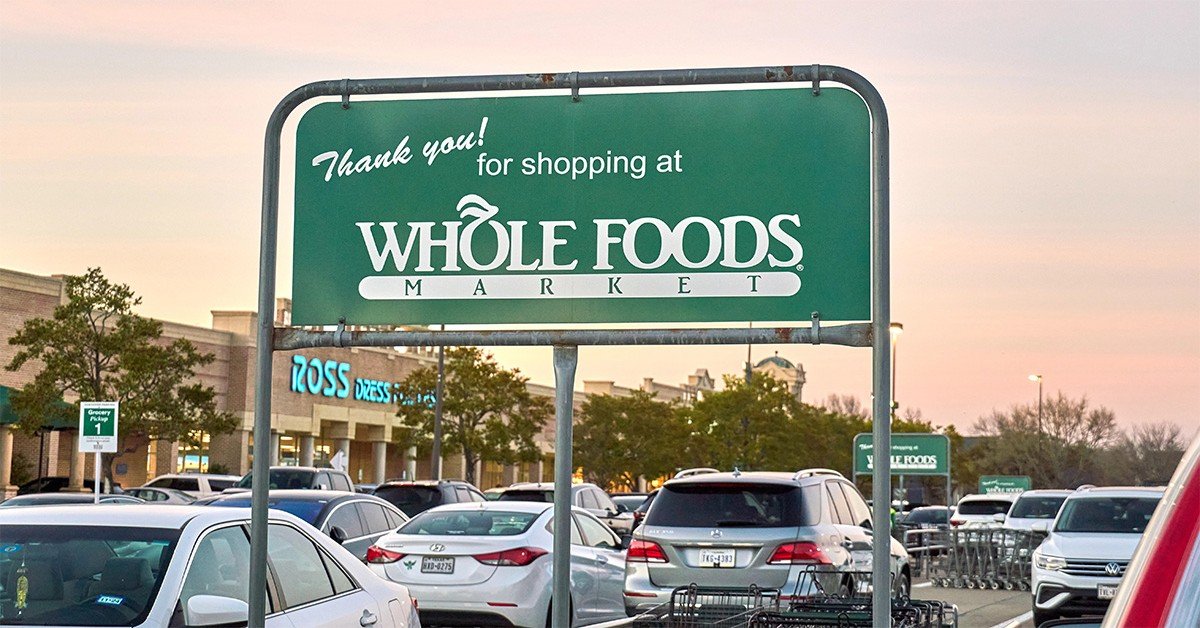
Whole Foods topped the list of investors’ favorite tenants, followed by TJX Companies, Trader Joe’s, Target, Lululemon and Publix. Grocery stores and discount department stores represented 56% of all the retailers mentioned by investors.
The lack of retail construction continues to be an issue, however. There were only 7.8 million square feet of new deliveries in the first quarter of 2026, down 25% from the 10-year average. The slowdown has resulted in a continuing supply squeeze.
The investors surveyed were evenly split on whether they would pursue construction projects. While new properties can ask for higher rents, the cost of building can make it more difficult to achieve the returns required. JLL points out that this problem translates into good news for existing property owners, but possible bad news for buyers seeking quality deals.