Infrastructure fund INPP defies the sceptics
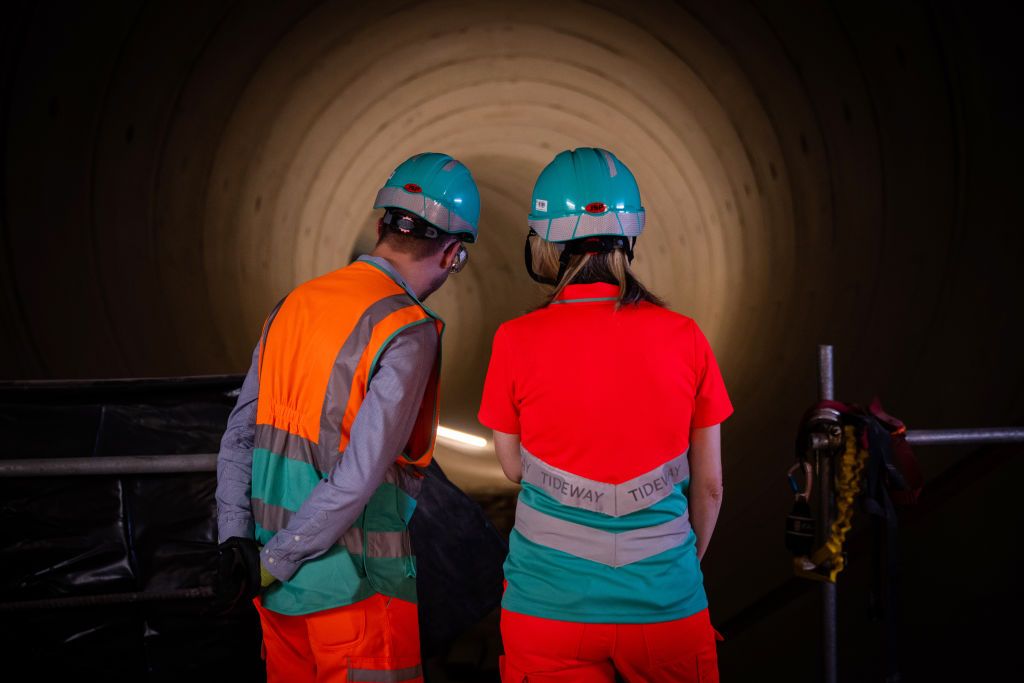
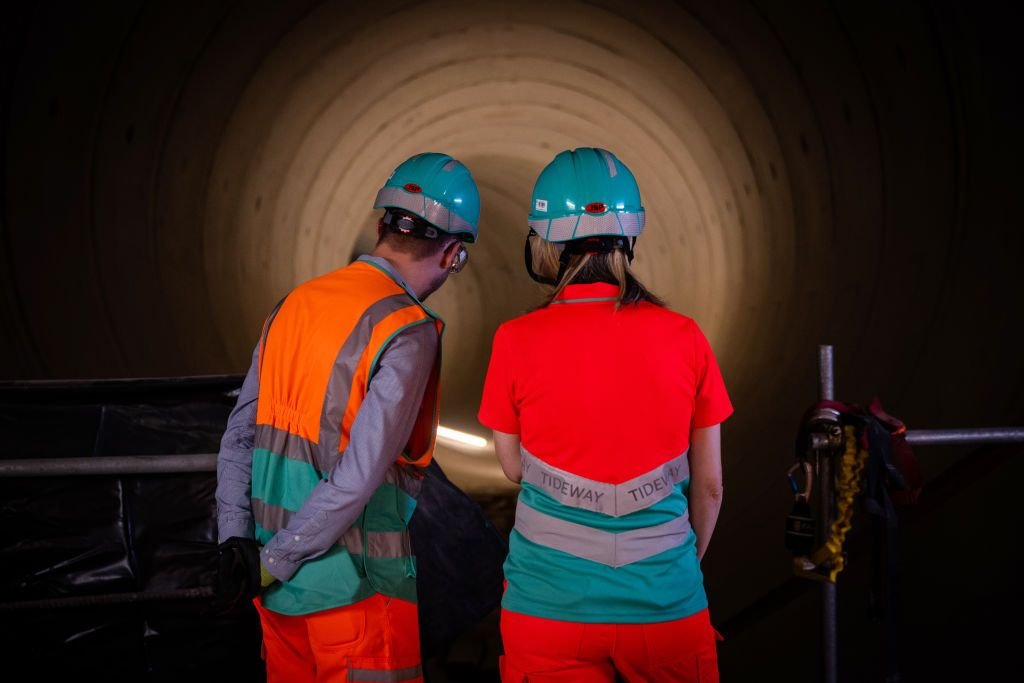
When INPP – International Public Partnerships (LSE: INPP) – invested in the Thames Tideway Tunnel project in 2015, many investors thought its directors and managers were mad. Weren’t infrastructure projects in the UK always delivered late and massively over budget? The project was a carve-out from the financially stretched Thames Water and would surely be dragged down by it.
Instead, the 16-mile super-sewer under the River Thames from Acton to Beckton was completed as planned in March 2024. In the year to 31 March, it “diverted over 20 million tonnes of sewage and drain overflow that would otherwise have polluted the River Thames and prevented over 1,000 spills”. This represents a 95% reduction in the volume of untreated waste water entering the river.
Win-win investing from INPP
Infrastructure investment is often denigrated as being expensive off-balance-sheet financing of projects the public sector should do itself. However, the success of Tideway shows why bringing in the private sector can help construct and manage infrastructure projects at a reasonable cost to the taxpayer, as well as offering good returns for investors.
Sign up to Money Morning
Don’t miss the latest investment and personal finances news, market analysis, plus money-saving tips with our free twice-daily newsletter
Don’t miss the latest investment and personal finances news, market analysis, plus money-saving tips with our free twice-daily newsletter
INPP’s stake in Tideway is one of its largest, representing 15.6% of its £2.9 billion of net assets. The investment in gas distributor Cadent is of a similar size, while a stake in 11 offshore transmission owners (OFTOs) is over 20%. The latter does the boring but essential job of connecting offshore wind farms to the onshore grid.
Lower down the list is the 4.2% invested in BeNEX. The British political class may have become disillusioned with the separation of Britain’s railway system into network infrastructure, rolling stock and operating franchises, but Germany has copied the model. BeNEX has concession agreements with 14 of Germany’s 16 federal states and owns more than 130 trains.
Last year, the trust won a deal to contribute £254 million to the construction of Sizewell C nuclear power station in return for a 3% stake, of which £35 million has been invested so far. The investment is “expected to generate an annual cash yield of 6% through construction and early operations, with a significant step-up in yield once fully operational”.
Meanwhile, it is trimming mature investments, selling part of its stake in Angel Trains, which owns over one-third of the UK’s passenger rolling stock, for £3millionmn. It has also reduced its exposure to public-private partnerships (PPPs) through asset sales – this week, it sold stakes in 15 London schools for £58 million – and handing back concessions as they expire.
INPP’s shift to higher returns
This is part of a broader trend. Over the years, International Public Partnerships and its peers have moved away from the lower-risk PPP projects into ones that are riskier, but offer higher returns, such as Tideway and Sizewell. 3i Infrastructure (LSE: 3IN) was the first to do so, and International Public Partnerships and Pantheon Infrastructure (LSE: PINT) followed. More recently, HICL Infrastructure (LSE: HICL) has announced a further shift away from the PPP “yielders” in the portfolio (currently 53%) into “growers” (currently 47%) and “enhancers”, such as data centres and leisure facilities. This is expected to increase its annualised total return to 10%, from 8.5% historically.
The infrastructure funds have been held back in recent years by rising gilt yields, but discounts have fallen in the last year and operational performance has been good. Discounts to net asset value (NAV) range from 5% (3iIN) to 15% (HICL). Yields are between 3.5% (3iIN) and 6.1% (HICL), with dividends likely to rise with inflation.
International Public Partnerships is on a discount of 7%, yielding 6% and has 72% of its assets in the UK. A writedown of its £24 million investment in a UK broadband firm this week is not material (0.9% of NAV) and guidance is unchanged. Despite a 24% return over one year, it continues to look attractive.
This article was first published in MoneyWeek’s magazine. Enjoy exclusive early access to news, opinion and analysis from our team of financial experts with a MoneyWeek subscription.