Gas price rebound pushes Canadian inflation to 3%
By Nojoud Al Mallees
(Bloomberg) — Canada’s yearly inflation accelerated to 3% as the Middle East conflict continued to push up gasoline prices, while core measures of price growth remained subdued.
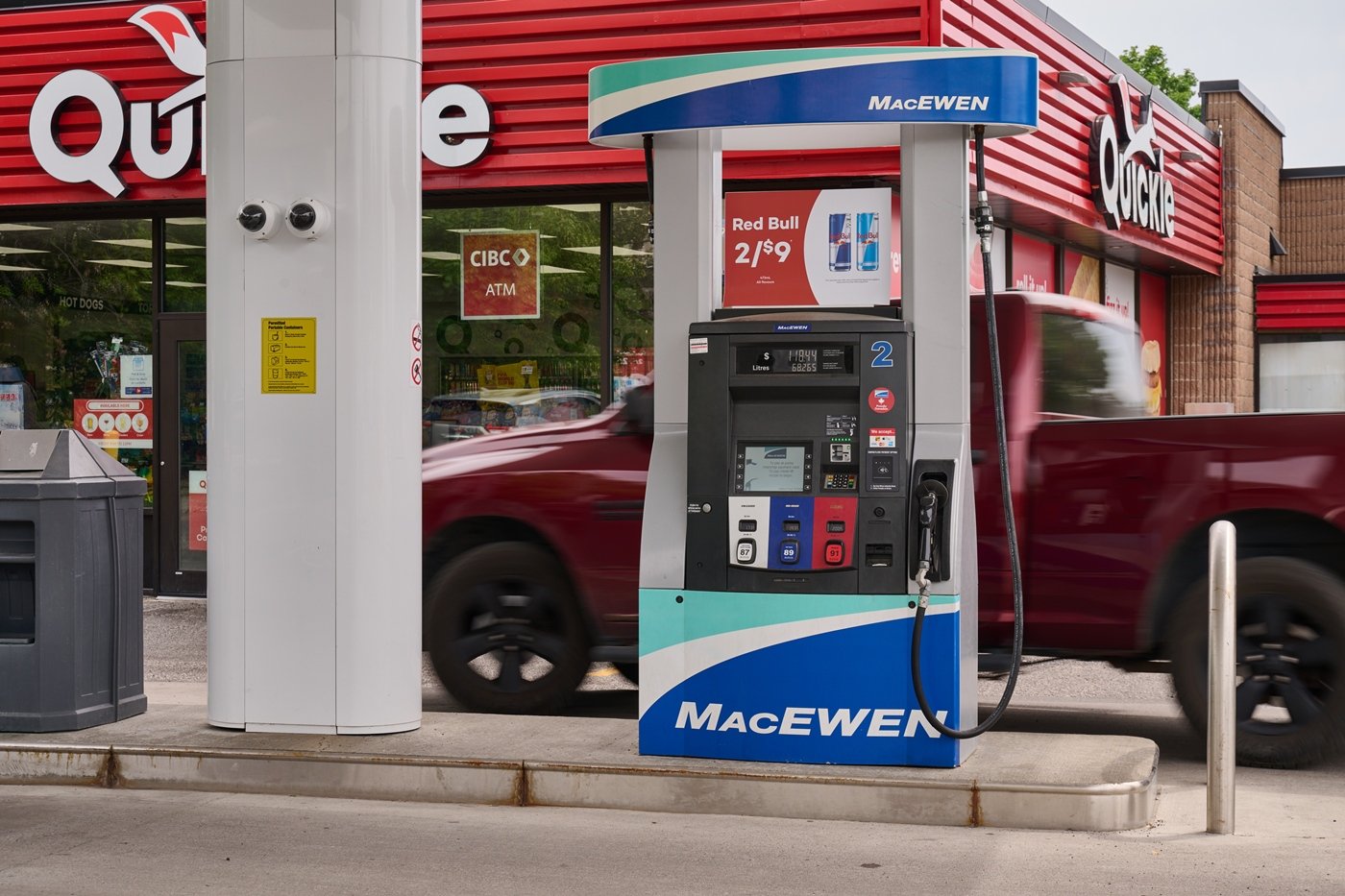
Prices at the pump rose at a 26% yearly pace in July, up from 21% in June, Statistics Canada reported on Monday. Excluding gasoline, the consumer price index was up by 2.2% for a third straight month. Inflation rose by 0.5% on a monthly basis.
Economists surveyed by Bloomberg expected headline inflation to tick up to 2.9%, from 2.8% in June.
Still, the latest data suggests broader inflationary pressures remain contained, with limited evidence of higher energy costs driving up prices elsewhere in the economy.
The average of the Bank of Canada’s preferred core measures of inflation rose by 1.95%, barely rising from the previous month and remaining below its 2% target.

“The generally subdued readings for core inflation on a year-over-year basis mean that there’s no rush for the bank to raise interest rates,” Andrew Grantham, an economist with the Canadian Imperial Bank of Commerce, wrote in a report to investors.
“Policymakers have plenty of time to assess oil price fluctuations, how the tariff situation plays out and whether the rebound in economic activity we are currently witnessing can be sustained,” he said.
The loonie touched the day’s high against the US dollar after the release of the CPI report, gaining 0.1% to C$1.3857 as of 8:35 a.m. in Ottawa.
Short-term Canadian debt fell, lagging major peers, with the two-year yield up three basis points to 2.98%. Swaps traders are pricing about 19 basis points of tightening from the Bank of Canada by December, up from some 15 basis points on Friday.
The July labour force survey showed the unemployment rate fell to 6.4%, marking a two-year low, as employment rose by 75,100. Statcan’s preliminary estimate for GDP suggests the economy expanded at an annualized rate of 3.4% in the second quarter, faster than the central bank had projected for the three-month period.
Prices for travel tours and air transportation also pushed inflation higher in July, rising by 15.2% and 12% respectively as the World Cup boosted demand and jet fuel costs rose.
Desjardins Chief Economist Jimmy Jean said the rate of increase in travel costs was a surprise. But the report shouldn’t worry policymakers too much, he said.
“It’s one tick higher than what we were expecting so i wouldn’t say that this is a fundamental deviation, relative to what the Bank of Canada might have anticipated,” Jean said on BNN Bloomberg Television.
Grocery prices rose at a slower pace in July, increasing by 3.1% on an annual basis, down from 3.9% in June. Still, July marked the eighteenth consecutive month that grocery prices rose faster than overall inflation.
Meanwhile, shelter price inflation rose by 1.3%, the slowest rate since May 2020. Shelter costs have been rising at a rate below 2% since the start of the year, as the Canadian housing market remains soft.
Ontario was the only province that did not see an acceleration in inflation last month, driven by declines in homeowners’ replacement cost and for natural gas.
–With assistance from Mario Baker Ramirez and Carter Johnson.
©2026 Bloomberg L.P.
Visited 92 times, 92 visit(s) today
andrew grantham bloomberg Consumer Price Index CPI inflation Dashboard economic data Jimmy Jean statcan statcan inflation statistics canada
Last modified: August 17, 2026