₹5 lakh investment plan: How to allocate your money wisely by age, risk and financial goals
A ₹5 lakh savings corpus can provide an individual with more than just a financial cushion. It can be the starting point of a well-thought-out investment journey. All it takes is proper planning and long-term vision.
Still, with options ranging from fixed deposits, mutual funds, gold, bonds, and equities, deciding where to put the funds requires more than just seeking higher returns. This particular decision of fund allocation is fundamentally driven by factors such as the investor’s long-term targets, current financial obligations, age, family responsibilities, and retirement plans.
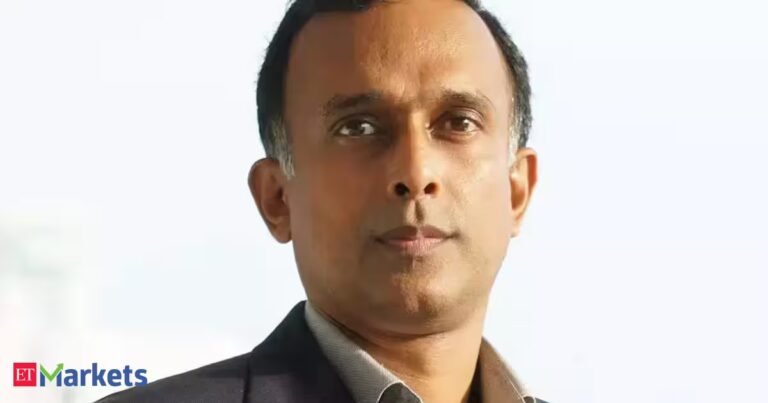
Sarvjeet Singh Virk, CEO of jUMPP, explains this in detail, stating, “An investor’s approach to ₹5 lakh should evolve with age, financial goals and risk capacity. A 25-year-old with a 15–20-year horizon could consider a larger share of equities or equity mutual fund SIPs, while keeping some money liquid.”
He further stated, “At 35, balancing growth and stability becomes important—for example, combining equity exposure with FDs and a measured allocation to gold. For a 60-year-old, capital preservation and liquidity may take greater priority, with a larger allocation towards fixed-income options and relatively lower equity exposure. The key is diversification: the right mix should reflect one’s time horizon, income stability, liabilities and financial goals, rather than simply chasing returns. Investors should also review their allocation periodically as their circumstances, responsibilities and risk tolerance change.”
Significance of matching investments with your life stage
For younger investors with a predictable, stable income, no debt, and a long-term investment horizon, direct stock investments, equity mutual funds, or diversified equity investments can play a larger role, potentially offering long-term wealth creation.
However, it is equally important to keep in mind that a portion of the corpus should remain accessible for emergencies such as accidents, unforeseen surgeries, medical treatments and other short-term needs.
On the other hand, investors in their early 30s can consider balancing growth-oriented assets with fixed-income instruments such as bank fixed deposits (FDs), while gold can provide additional diversification and act as a hedge against inflation.
Finally, for those nearing retirement, the focus should be on protecting accumulated wealth. This aspect naturally gains prominence as the earnings tend to stagnate or grow slowly when an individual nears retirement age.
To combat such a situation, a higher allocation to fixed income investments such as bonds and fixed deposits can provide greater stability, predictability and liquidity, whereas exposure to equities can be moderated in accordance with debt obligations and family responsibilities as per the guidance of a financial advisor.
Long-term planning and diversification remain the key
Therefore, there is no universal formula or rule for making investments. The allocation of ₹5 lakh savings and their future planning depend on individual circumstances. The correct allocation is dependent on factors such as current debt, existing savings, financial commitments and responsibilities, and the time available to accomplish them.
Rather than allocating the entire amount to any one asset, a well-diversified asset allocation plan is the most effective way to invest such funds meaningfully. The primary objective should be to allocate it across suitable investments to help mitigate potential risks efficiently.
Eventually, ₹5 lakh should be viewed as a tool for achieving a specific financial objective, not merely as money seeking returns. Conducting a meaningful review of one’s portfolio and making adjustments as circumstances change can help ensure that the investment strategy remains aligned with long-term economic objectives.
Disclaimer: This article is for informational purposes only and does not constitute investment advice. Investors should assess their financial goals, risk appetite and circumstances, and consult a qualified financial adviser before making investment decisions.