Homebuilder Says It’s ‘Incredibly Difficult’ To Profit From Starter Homes
There are around 300,000 fewer starter homes on the market today than there were before the COVID-19 pandemic, and Lamonte Grulke thinks he knows why.
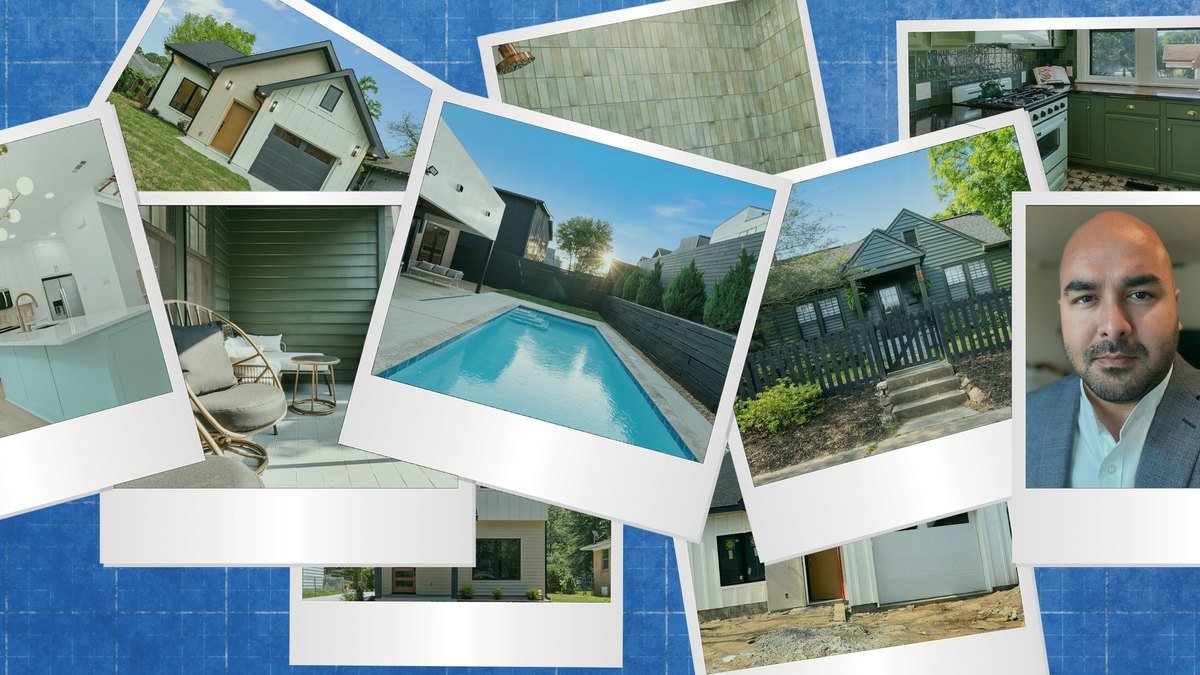
Grulke is a general contractor and builder based in Little Rock, AR, who recently went viral on X for breaking down the costs of building a home and explaining why it simply doesn’t make fiscal sense for builders to focus on the starter home market.
“As a Home Builder who can and does build starter homes, I promise you, it’s incredibly difficult for me to make money from a 1k sqf home,” he wrote. “I have a starter home coming up that I hope sells for 235k~ anything less and I basically worked for free.”
In an exclusive interview with Realtor.com®, Grulke explains that homebuilders are grappling with rising materials and labor costs, and that many costs are fixed regardless of the size of a home—squeezing margins on smaller floor plans.
Nationally, starter home prices are on the rise. Between 2019 and 2026, the national median price for a starter home rose from $256,000 to $344,000, according to Realtor.com research.
Starter homes are typically smaller than the average property. They’re defined by their affordability and are typically priced at around 80% or less than an area’s median price. That means that in Grulke’s home base of Little Rock, where the median home price is $247,000, a starter home would be priced at around $200,000 or less.
Grulke typically builds between three and six homes a year. While not all of them fall into the starter home category, Grulke tries to make sure at least a couple of projects a year are at that price point.
But he says there are costs associated with building any home that make it difficult to justify a starter home project. Many of the contractors Grulke works with charge a flat fee to work on a project, regardless of the size of the home.
“A good example is my electrician,” he tells Realtor.com. “His minimum to show up and wire any home is $6,500, right? He doesn’t care if it’s a 1,000-square-foot home or a 1,600-square-foot home. But the price difference between those two homes can be quite a bit.”
Similarly, “the plumber isn’t doing it based on the size of the home at all. He’s looking at it and saying, ‘OK, how deep is it? How far away is it from the house?’ He’s not saying, ‘What size is the house?’ to decide how much to charge me.”
There are some aspects of building a starter home that do translate to cost savings.
“You definitely save on the material cost of a smaller home and the labor that goes into that,” says Grulke. “But even then, just because you have a 500-square-foot home and you’re paying $4 a square foot for framing, it doesn’t mean that they’re going to want to come out and build it for that price.”
Grulke says he often encounters minimums “where it’s like, ‘Hey, for us to show up, we want at least $4,000.’ So in those scenarios you’re not really cutting costs to build smaller.”
And when it comes to materials, there are certain things every home will require—such as a shower system—which affects the price.
“If you consider the base minimum, even the most basic Delta prefab shower system is, what, $600 or $700. It doesn’t matter what size the home is,” he says.
These costs are especially impactful for builders like Grulke who operate independently and don’t have the buying power that larger firms might have to negotiate better prices on materials and labor.
A 2024 survey by the National Association of Home Builders found that the average builder’s profit is around 11% of a home’s price.
But with starter homes, that margin can be much lower.
“I can think of one example of a home I built, spent eight months on it, and I walked away with $6,000. That was very difficult,” he says. “And I want to say it happened to me at least twice that I can remember in the last five years.
“There is a lot of risk that comes from building a home. And sometimes I think people get frustrated that it seems like the builder is making a ton of money. I can assure you, unless he’s building million-dollar homes, he is not walking away with a ton of money.”
Grulke encourages homebuyers looking to purchase a starter home to be realistic about what they can afford, and what to expect.
As he wrote on X: “We don’t have a starter home problem as much as we have an expectations problem. People want affordable homes—but fight when they’re built nearby. Buyers want start-home pricing, but not starter home size, finishes, density, or location. Everybody wants the Lexus. Everybody wants to pay Hyundai money.”