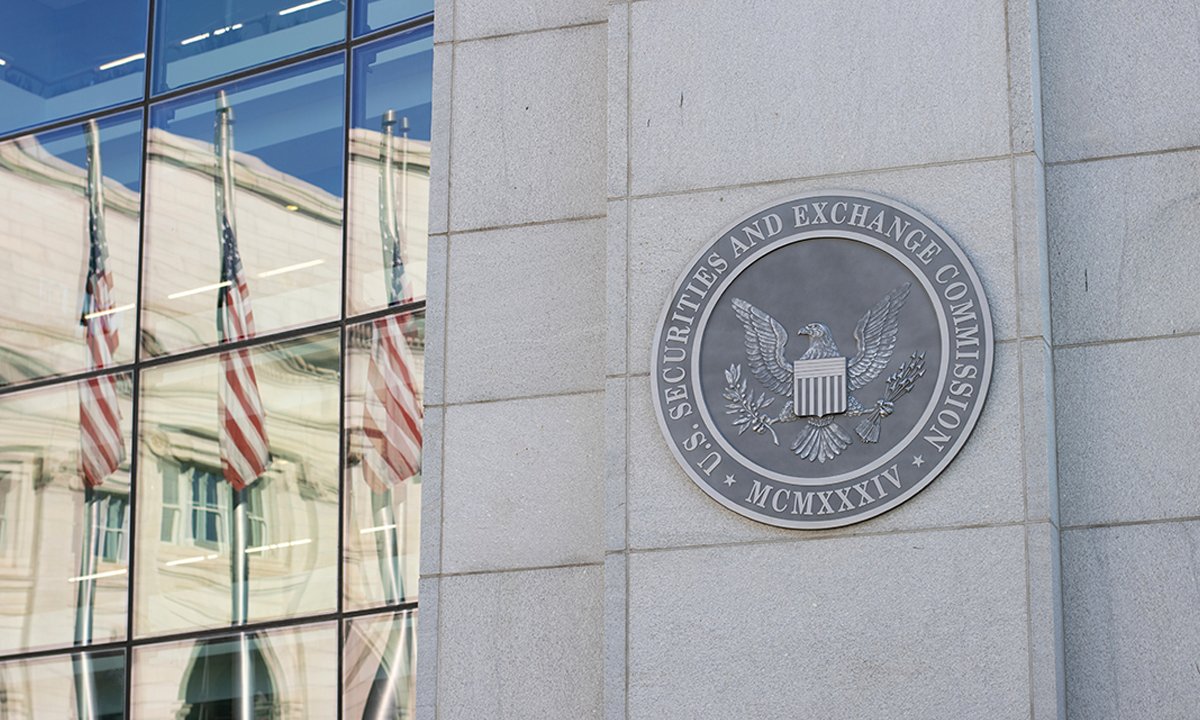
SEC Tees Up New Crypto Regulation as Clarity Act Languishes
The Securities and Exchange Commission (SEC) will consider a potentially significant overhaul of crypto regulation Friday (Aug. 14), moving to establish formal exemptions that could allow digital asset projects to raise capital without registering securities and eventually move outside the agency’s jurisdiction.
At its Friday open meeting, the SEC will consider proposing new rules to create what it calls a “tailored offering regime” for certain investment contracts involving crypto assets, according to its Sunshine Act Notice. The proposal, dubbed Regulation Crypto Assets, could mark another step away from the “regulation by enforcement” approach long criticized by the crypto industry and toward regulation through defined exemptions and safe harbors.
The rulemaking also represents a change in how the SEC is implementing the crypto friendly policies developed under Chairman Paul Atkins. The Commission has spent much of the past year issuing interpretations and staff guidance addressing when crypto activities fall outside securities laws. Per Decrypt, Regulation Crypto would instead go through the more durable notice-and-comment rulemaking process.
The SEC in March issued a Commission-level interpretation addressing the application of securities laws to crypto assets and transactions, including staking, mining and airdrops. The interpretation established an important distinction between a crypto asset itself and an investment contract involving that asset.
Regulation Crypto would build on that distinction by creating pathways for projects to raise money while satisfying defined conditions rather than facing the choice between full securities registration and risking an enforcement action.
In remarks at the time, Atkins outlined three potential components: a startup exemption for relatively small fundraising rounds; a broader exemption allowing projects to raise substantially more capital subject to disclosure requirements; and a safe harbor determining when an investment contract involving a crypto asset has ended.
The last provision could prove critical. It would establish when developers have completed or permanently ceased the managerial efforts promised to purchasers, potentially allowing the associated crypto asset to trade without continuing securities-law restrictions.
That amounts to a regulatory off-ramp for projects that begin with centralized developers raising money to build a network but eventually become sufficiently independent of those developers. Rather than permanently classifying a token based on the circumstances surrounding its initial sale, the framework would recognize that its regulatory status can change as the project develops.
Decrypt described the mechanism as an “escape hatch” from securities registration, with relief becoming available after control passes out of the builders’ hands.
But the shift to rulemaking could be just as important as the substance.
Staff statements and interpretive guidance can provide market participants with indications of an agency’s enforcement position but generally lack the legal force and durability of regulations adopted through formal rulemaking. By putting Regulation Crypto through notice and comment, the SEC would begin embedding the Atkins-era approach into the agency’s regulatory architecture.
The initiative also comes as Congress has again failed to complete legislation establishing a comprehensive digital-asset market structure.
The Senate left Washington for its August recess without voting on the Clarity Act, despite months of negotiations over legislation intended to establish clearer divisions of regulatory authority over digital assets. Senate Majority Leader John Thune has filed a cloture motion setting up a potential procedural vote Sept. 15, but the compressed election-year calendar has increased uncertainty over whether Congress can complete the legislation this year.
The SEC is effectively moving into that vacuum.
In comments in late July, Atkins acknowledged that Congress ultimately must establish a durable statutory framework for digital assets, and Regulation Crypto cannot resolve all of the jurisdictional issues addressed by the Clarity Act. But the SEC can use its existing authority under federal securities laws to establish exemptions governing crypto fundraising.
That creates two parallel tracks for crypto regulation. As Congress continues trying to determine the long-term division of authority among federal regulators, the SEC is using its existing powers to give crypto developers clearer rules immediately.
Friday’s meeting could therefore signal something larger than another crypto exemption. It could mark the point at which the SEC begins converting its retreat from regulation by enforcement into a formal regulatory regime of its own.