Data center build-out obscures slowing construction starts for CRE sector
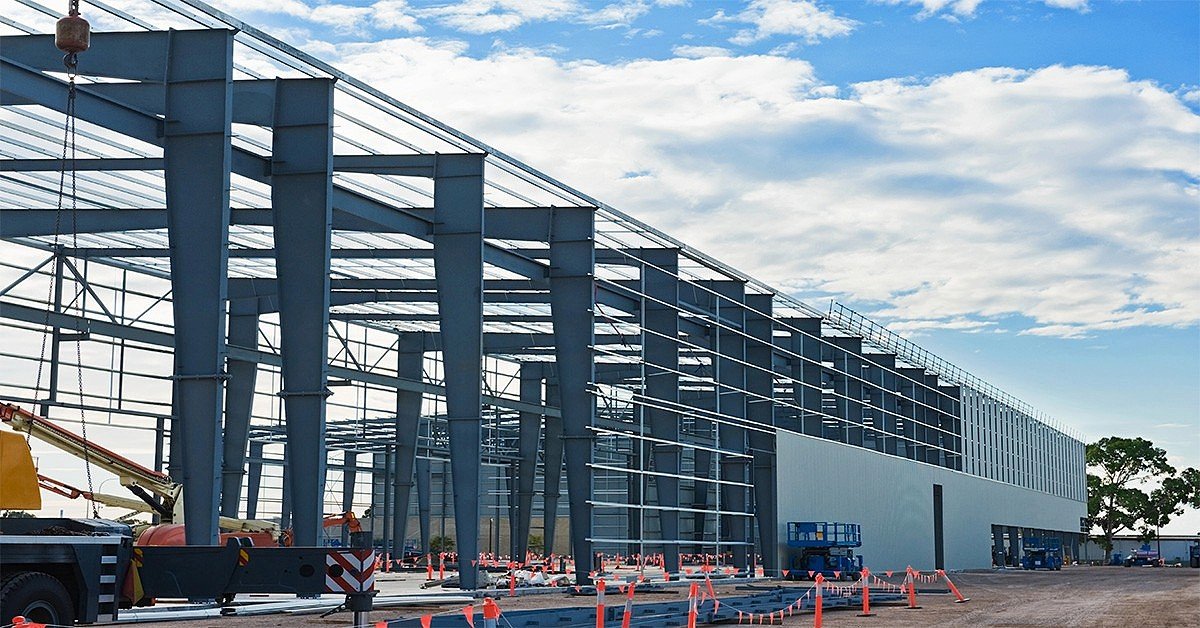
The rise of data centers tied to artificial intelligence remains the biggest news in commercial real estate in the first half of 2026. But if you strip out the booming data center segment, construction starts in the CRE sector have slackened to a pace resembling the sluggish crawl in the aftermath of the Great Recession, according to a mid-year outlook from Wells Fargo.
Despite the slowdown in new construction, Wells Fargo describes commercial real estate as showing resilience in 2026, with transaction volumes rising in the first half of the year even though long-term Treasury yields have climbed higher in recent months. Valuations have been mixed, with office space and retail properties seeing prices rise, while apartments and industrial properties have experienced a slight price drop.
While elevated interest rates remain a challenge for refinancing properties and a barrier to compressing capitalization rates, the report still finds positive aspects for the sector. That includes the fact that lending is still active and the slowdown in new construction has helped prop up prices. Another good sign is that tenant demand has remained strong during the first half of the year.
Advertisement

“Vacancy rates are still broadly elevated and exerting downward pressure on rent growth for most major property types,” the report states. “But a thin development pipeline and expected sturdy property demand ahead suggest market fundamentals are likely to become more balanced in the not-too-distant future.”
As for the boom in data centers, Wells Fargo estimates that construction spending this year reached $68.3 billion by June. New developments remain concentrated in northern Virginia and the Atlanta area, but focus is shifting to other parts of the country, including lower-cost markets such as Columbus, Ohio, and Abilene, Texas.
Even with the large number of new projects, it is estimated that the data center vacancy rate in North America has remained at about 1% since 2024, meaning there appears to be plenty of demand. The data center expansion has also resulted in a surge of tech-related imports.
CRE sector challenges and tailwinds
Beyond the impact of AI, most sectors of commercial real estate are facing challenges. Wells Fargo reports the delinquency rate for office commercial mortgage-backed securities had reached 16.9% in June, the highest level on record. Delinquencies also rose for industrial and multifamily properties but remained within historical ranges.
The mid-year analysis of the office sector states that vacancy and availability rates are falling, aided by return-to-work policies and office conversions. Net absorption has been positive for four consecutive quarters.
Growth in artificial intelligence companies and firms that cater to their needs has helped increase demand for office space in New York City and San Francisco. At the same time, Sun Belt markets such as Dallas and Houston continue to benefit from growing populations and strong job growth.
Chicago, Los Angeles, Minneapolis and Washington, D.C., saw office net absorption decline in the first half of the year, but the pace of those declines was slowing. The number of employees returning to the office for work continues to gradually increase. Wells Fargo cites Placer.AI, an analytics company, as reporting that June was the second-highest month of office attendance since the pandemic.
Retail, industrial and multifamily outlooks
The retail vacancy rate ticked slightly higher than a year ago but remained historically low. One reason for that is very little new retail space is being constructed. Year-over-year asking rent growth for retail properties was up 2% in the second quarter but rose a scant 0.1% in the past three months, signaling rent growth was losing momentum.
Industrial properties saw a major increase in demand during the pandemic. That demand appears to have been finally met. The supply of new industrial spaces has outpaced absorption since the beginning of 2023, resulting in a rise in vacancy rates and slower rent growth. Asking rent growth was up 1.5% year over year in the second quarter, but up just 0.1% in the second quarter.
The multifamily market is another sector that saw a major increase in demand during the pandemic. It has also cooled as an unprecedented number of new apartments have been built in recent years. Multifamily starts fell by about 40% year over year in the first half of 2026, with the number of units under construction hitting the lowest level since 2014.
Apartment vacancy rates, which have been on the rise since late 2021, declined slightly during the first two quarters of 2026 and now stand at 8.1%. Rent growth, which skyrocketed in 2021 and 2022, has cooled during the past two years. Effective rent growth was up 1.4% from the first quarter but had risen only 0.2% from one year ago.
The Sun Belt, which saw a major increase in multifamily properties during the past three years, was singled out as a region experiencing limited rent growth. Wells Fargo expects firmer apartment rent growth in the future as the supply pipeline declines and demand steadily increases.