Child certificate under Income Tax Act 2025: What is it, who needs it and how to generate one?
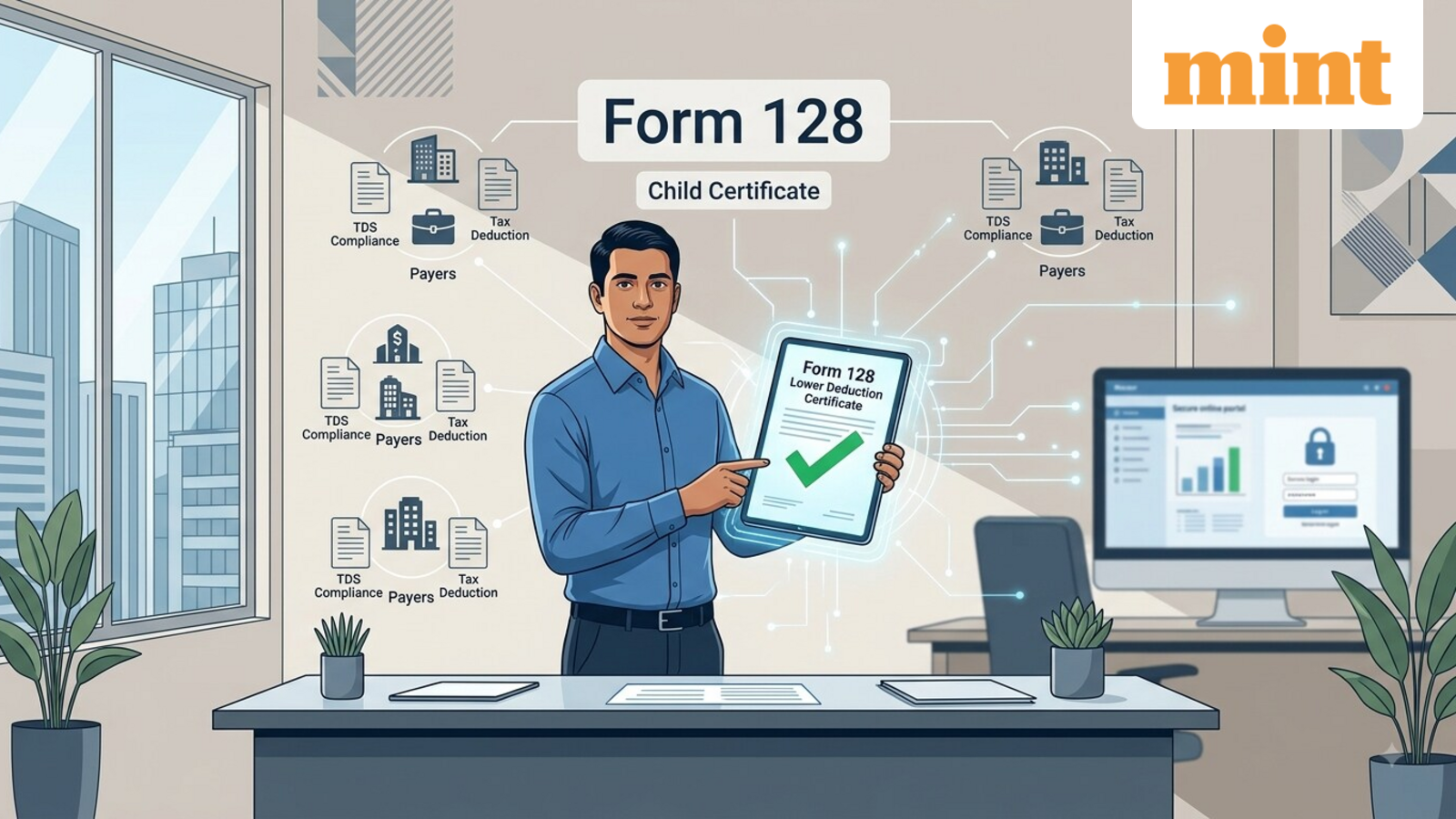
A new compliance process for lower or nil tax deduction certificates has come into effect from 1 April 2026. Taxpayers who obtain such a certificate through Form No. 128 may need to generate separate child certificates for the people or organisations making payments to them.
The process is part of the revamped TRACES system under the Income Tax Act, 2025. In simple terms, when the Income Tax Department allows tax to be deducted at a lower rate or at nil rate, the taxpayer can communicate that approval to individual payers through child certificates.
What is a child certificate?
A child certificate is generated by the taxpayer on the TRACES portal based on a lower or nil tax deduction certificate issued by the Assessing Officer.
For example, suppose a consultant receives approval to have tax deducted at 2% instead of the applicable normal rate on certain professional income. The consultant expects payments from several companies but does not know all their details when applying for the certificate.
If the consultant uses Annexure-II of Form No. 128, the main certificate is issued in the consultant’s name. Once the consultant knows which companies will make the payments, separate child certificates can be generated for them.
The companies can then deduct tax at the rate specified in the relevant child certificate.
Who needs to use a child certificate?
A taxpayer needs to generate child certificates when they have obtained a lower or nil tax deduction certificate through Annexure-II of Form No. 128 and subsequently need to provide the certificate details to individual payers.
This facility is relevant where the number of people responsible for deducting tax is likely to exceed 100, but their details are not available when the application is filed.
How does Form No. 128 relate to the child certificate?
Form No. 128 is used to apply for a certificate allowing nil or lower deduction or collection of tax under sections 395(1) or 395(3) of the Income Tax Act, 2025.
The form is optional and is required only when a taxpayer wants such relief. It can be filed by resident as well as non-resident taxpayers. There is no statutory limit on the number of times Form No. 128 can be filed in a tax year, provided there is a change in estimated income or transactions.
How can a taxpayer generate and download a child certificate?
The taxpayer needs to log in to TRACES and go to Dashboard, then Services, and select “Generate and Download Child Certificate issued under section 395(1) (Form No. 128 Annexure-II).”
The taxpayer can enter the details of the specific person or organisation making the payment and generate the child certificate. After that, it can be provided to that payer.
What does the payer need to do?
The payer is the person or organisation that makes the payment to the taxpayer and is responsible for deducting TDS.
The payer uses the child certificate to determine the applicable TDS rate while making the payment. The child certificate number must also be quoted in the relevant TDS statement while reporting the transaction.
Is child certificate related to a minor?
No. Despite its name, a child certificate has nothing to do with minors. It is simply a certificate generated by the taxpayer under the TRACES process to enable a specific payer to apply the lower or nil TDS rate approved by the Assessing Officer.
Disclaimer: This is meant for informational purposes only. Please consult a qualified tax expert before making any financial decisions.