How New York Chased Off Affordable Housing Lender Pembrook
At first blush, Mayor Zohran Mamdani might not care that Pembrook Capital Management began shunning New York City deals. The Midtown firm is not one of the nonprofit “stewards” that Mamdani wants to take over buildings.
But he should care. Affordable housing does not happen without for-profit firms like Pembrook.
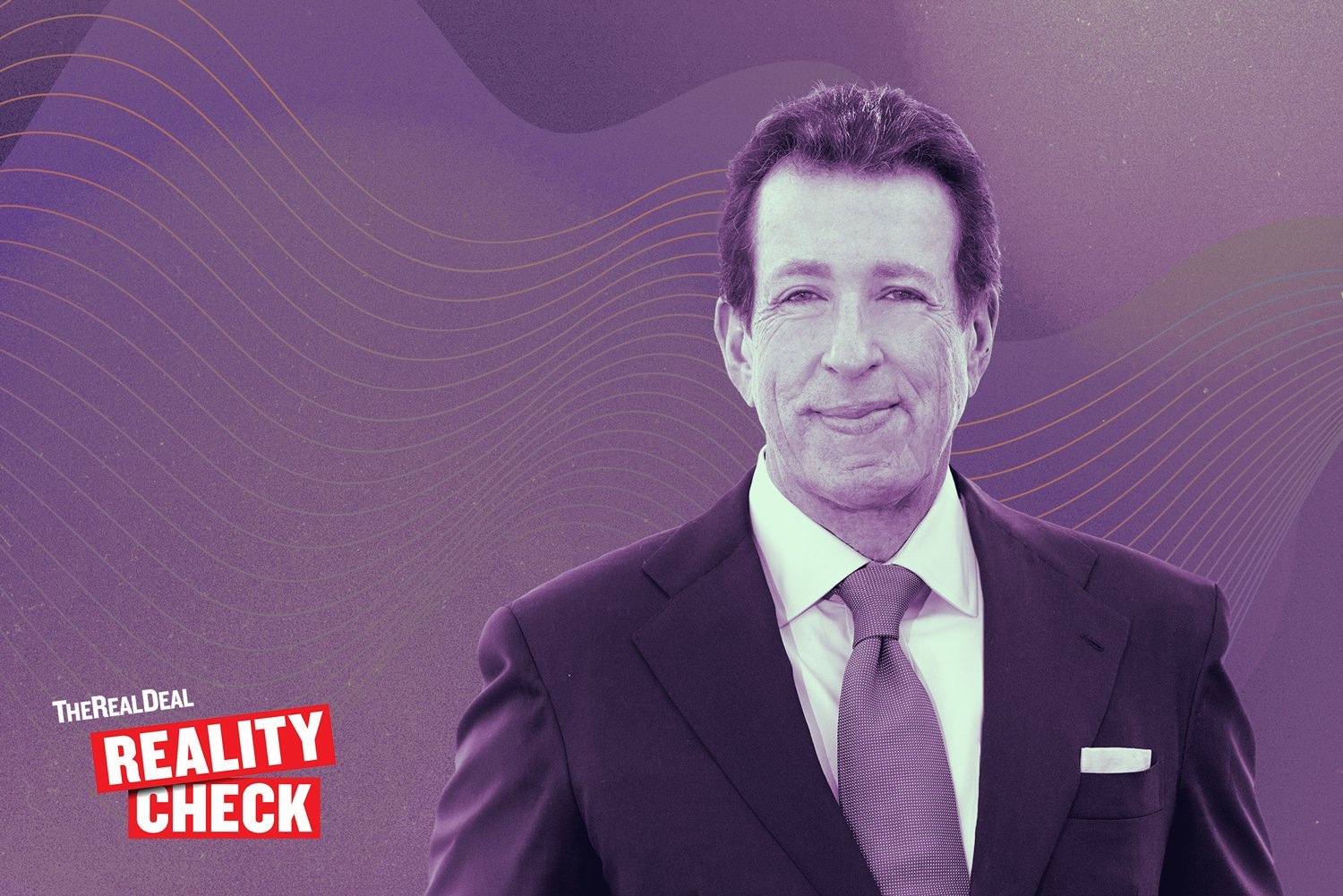
“We, like everyone else in the affordable housing lending industry, are pulling back drastically in New York City,” Pembrook CEO Stuart Boesky said in an interview. “It’s a tragic situation.”
He estimated that before the state’s Housing Stability and Tenant Protection Act, 40 percent of Pembrook’s activity was in the city.
“That’s no longer the case because of the restrictions caused by the 2019 law,” he said. “Now they’re being exacerbated by the rent freeze that nobody can quite reconcile with the facts on the ground.”
Other firms still finance projects in the city. But when fewer lenders compete for business, less housing is developed and the more it costs.
Cost is crucial. For a variety of reasons, low-income apartment buildings are already extremely expensive to build in the city.
Take Bartlett Crossing, a 78-unit project in northern Brooklyn whose groundbreaking last month was proudly announced by Gov. Kathy Hochul. It’s costing $917,000 per unit — despite getting free land from the city.
The developers are four credible nonprofits: St. Nicks Alliance, Southside United HDFC–Los Sures, RiseBoro Community Partnership and United Jewish Organizations of Williamsburg. They are using at least seven sources of financing.
Meanwhile, at a Yonkers site that wasn’t free, Titan Real Estate just broke ground on 340 units costing only $520,000 apiece. Ninety percent are market-rate.
A simple problem
Boesky founded Pembrook in 2006. It is a first mortgage, mezzanine and preferred equity lender with 15,000 units of affordable and workforce housing and nearly $2 billion in investment to its name.
Boesky might be an expert in the complex world of affordable housing finance, but even a third-grader could understand the problem with capping and then freezing rents while operating costs rise.
“A lot of bank loans are in default or heading that way,” Boesky said.
What about Pembrook’s? “We’re working with our banks, trying to get through this process,” said the CEO.
The firm calls itself mission-driven, and Boesky is indeed a big believer in providing affordable homes to people who need them. Pembrook includes a covenant in its loans to require developments to restrict the rent, even if it’s not otherwise mandatory.
So it bothers him that so many big beneficiaries of traditional rent-stabilized apartments are well-off Manhattanites.
One of Pembrook’s borrowers, a developer with a $17 million net worth, lives in a rent-stabilized apartment on the Upper West Side and will probably never leave. “That’s a unit not available for a [low-income person],” Boesky said. “Why rent-stabilized units aren’t based upon need is hard to understand.”
In contrast, affordable housing tenants must document their income and pay 30 percent of it in rent.
“Capital is fleeing”
Besides benefiting people who don’t need it, Boesky said, rent stabilization is degrading New York’s housing stock.
“When the 2019 law was passed, most educated real estate professionals realized it was going to prevent landlords from maintaining their properties,” he said. “And that’s what we’re seeing. Violations are up significantly, defaults are up significantly, negative cash flow is occurring on many properties.”
“The net effect is that capital is fleeing the market right now.”
The induced distress is giving the Mamdani administration leverage to push rent-stabilized buildings to accept Article XI, a discretionary tax break. In return, the city gets a 40-year regulatory agreement, the terms of which vary.
“Forty years is a long time,” Boesky noted.
A landlord might have to set aside units for people coming out of homeless shelters or earning 60 percent of the area median income.
“These are good properties. The net operating income is being artificially held down,” he said. “They’re being forced into Article XI as a remedy.”
Rent regulation was adopted in New York when a wave of returning soldiers caused rents to spike. The plan was to temporarily limit increases until developers could build enough units to meet demand. But it built a political constituency and eventually became de facto permanent.
“I’m not here to say that I don’t believe in rent stabilization as a Band-Aid solution when there’s a short-term, critical situation,” Boesky said. “But long term, it’s not a solution because the properties are degrading.”
Eventually, he said, it backfires on tenants, too.
“When you use rent stabilization and rent freezes as a long-term solution, you’re doing tremendous damage to the marketplace,” said Boesky. “You’re ultimately hurting the affordability and the quality of housing.”
Read more

Is Mamdani’s “tenant equity” program oxymoronic? Or just moronic?

How Mamdani cut $78B from housing plan, yet added units

Even Mamdani’s favorite landlords are exasperated