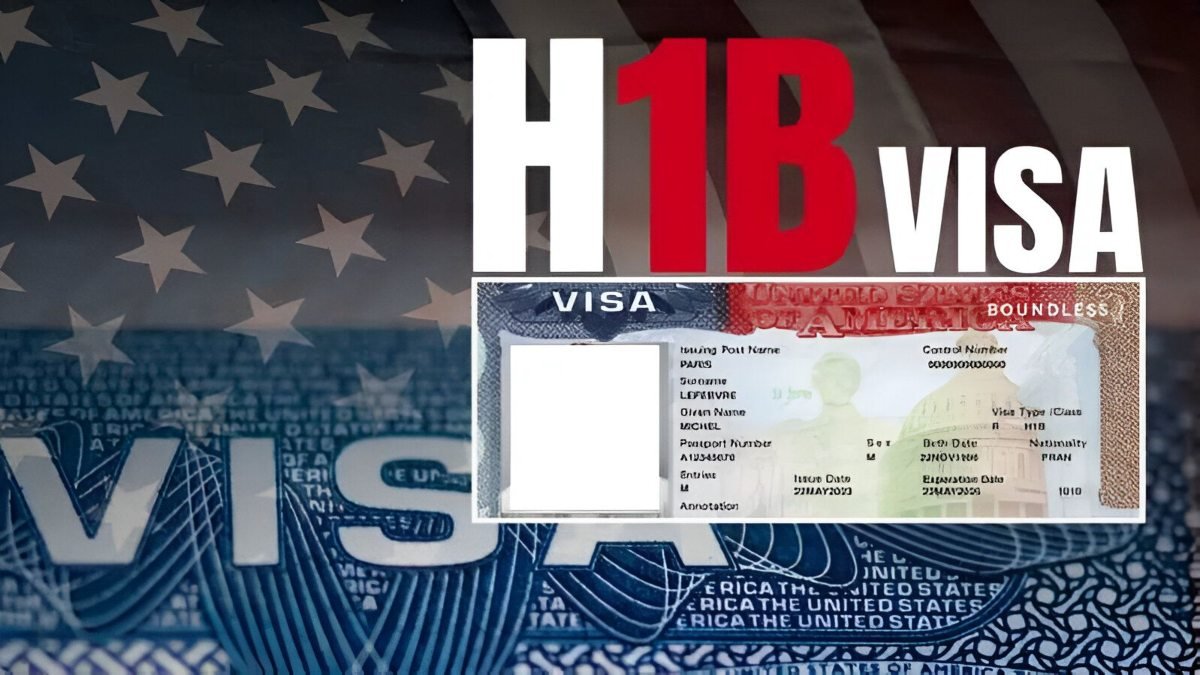
US Proposal Could Remove 60-Day Grace Period for Work Visas After Job Loss
World Finance
The US administration is reviewing a proposal that could shorten the time foreign workers may stay after losing jobs. The plan would remove the current 60-day grace period for certain work-linked visas. The White House Office of Management and Budget (OMB) is assessing the draft rule. If cleared later, job losses could trigger faster immigration decisions.
The proposal is not final and is not law yet. The full text has not been released publicly. Still, the shift could reduce the time available to find a new sponsor. It could also limit the window to change status. Workers may need quicker action after employment ends.
Under current rules, eligible workers may remain for up to 60 consecutive days after termination. This applies only if the authorised stay does not end earlier. The grace period was added in 2017. It aimed to offer flexibility after sudden job loss. During this time, workers can seek lawful options to stay.
/img/2026/08/h-1b-visa-application1-47941786457802.jpg "US eyes end of 60-day grace period for work visas")
For many employment-linked visas, status depends on an active job. The grace period can support a job search and related filings. It may also help with a change of status request. Without this buffer, workers could face pressure to depart quickly. Relief may still be possible through US Citizenship and Immigration Services (USCIS).
The potential change is not limited to H-1B holders. The same grace period also covers other non-immigrant categories and eligible dependants. The affected visa types are listed below. Dependants connected to these visas also fall under the current provision.
| Covered visa categories under the current 60-day grace period |
|---|
| E-1 |
| E-2 |
| E-3 |
| H-1B |
| H-1B1 |
| L-1 |
| O-1 |
| TN |
If the regulation removes the grace period, the transition after termination could become harder. Professionals often need time to secure a new offer. Many also need time for filings and compliance steps. H-1B job changes usually require paperwork and set processes. A shorter window can increase legal and logistical risk.
If approved and implemented, workers would lose the 60-day buffer after employment ends. Workers and dependants may need to plan status changes sooner. Those without another lawful basis could have to leave the US. The OMB review is one step in the federal rule process. Further steps are needed before it becomes binding.
Disclaimer: The views and recommendations expressed are solely those of the individual analysts or entities and do not reflect the views of Goodreturns.in or Greynium Information Technologies Private Limited (together referred as “we”). We do not guarantee or accept responsibility for accuracy or completeness. This content is informational and educational. Readers should verify details with licensed financial advisors before investment decisions.
For finance readers tracking overseas employment risk, the key point is timing. The 60-day grace period currently offers a limited cushion after job loss. The reviewed proposal could remove that cushion for H-1B and similar visas. However, the rule remains unfinalised and unpublished in full. Outcomes depend on the remaining regulatory steps.