Razorpay CEO joins PhonePe chief in backing free UPI payments for consumers amid doubts over MDR
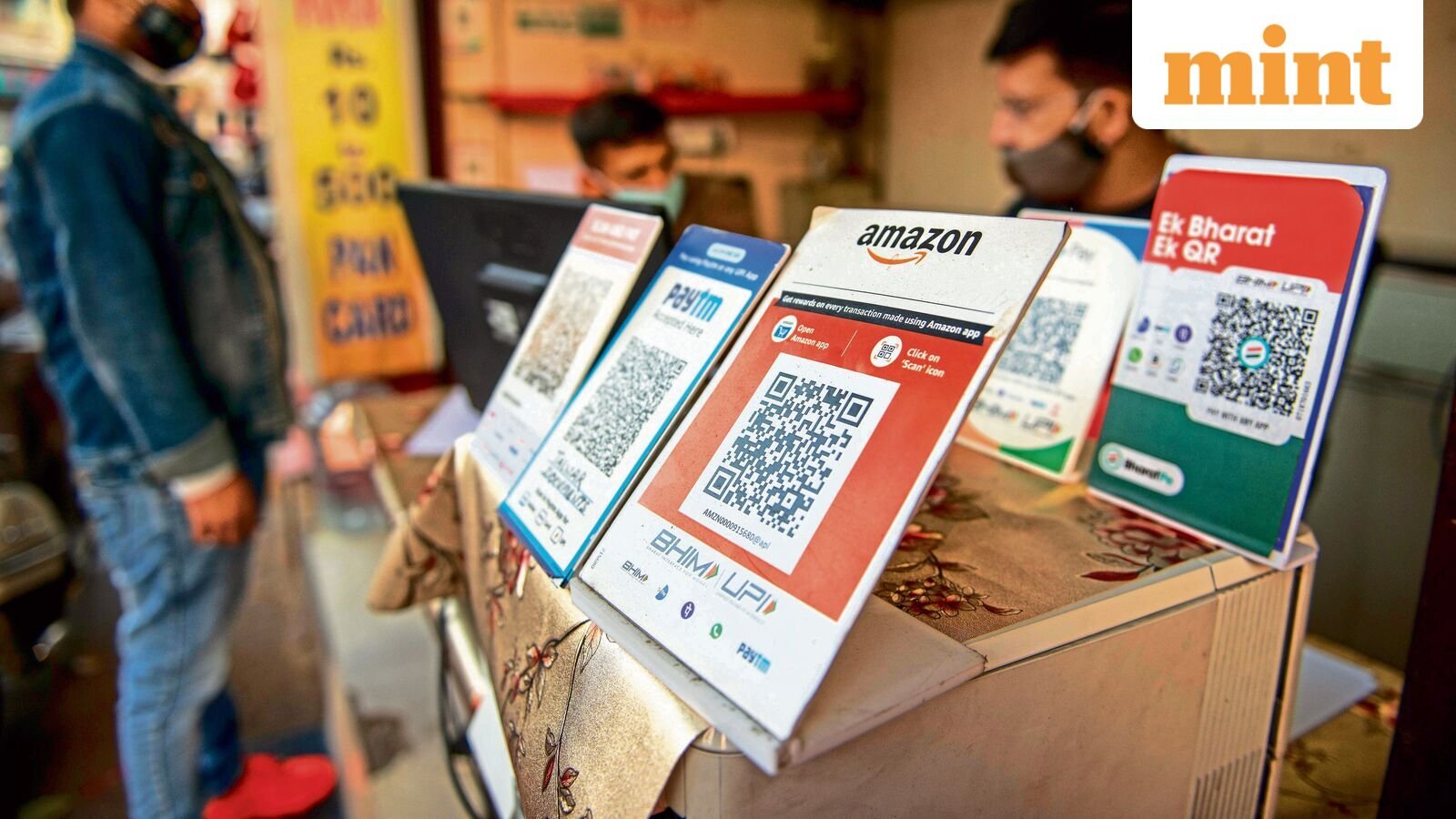
After PhonePe founder and CEO Sameer Nigam assured consumers that UPI payments would remain free for them, Razorpay’s chief Harshil Mathur has also come out in support of keeping UPI transactions free for users.
The clarification comes after the Lok Sabha passed the Taxation and Other Laws (Amendment) Bill, 2026, which allows the government to bring back merchant discount rate (MDR) charges on UPI transactions. The move raised questions over whether consumers would eventually be charged for using UPI.
Industry leaders weigh in on free UPI payments
While the Razorpay co-founder and chief also said UPI should remain free for consumers, he also stressed on the need of a sustainable ecosystem that protects small merchants, as well as supports digital infrastructure.
In a post on social media platform X (formerly Twitter) published on Saturday, Mathur said: “The principle is simple: Free for consumers. Protected for small merchants. Sustainable for the ecosystem.”
He also noted that digital payments ecosystem needs a sustainable model to support continued investment in reliability, security and innovation or else the system deteriorates over time, doing a disservice to everyone.
“Because the best digital public infrastructure is only one that never stops getting better!” his social media post read.
Meanwhile, PhonePe CEO also asserted earlier that users will not be charged for making payments through the digital payments platform.
“Consumers will NOT BE CHARGED anything for making UPI payments,” Nigam wrote on X (formerly Twitter).
Who will bear the charges for UPI transactions?
The comments from both executives came shortly after the Payments Council of India (PCI) clarified that UPI payments would continue to remain free for consumers. It also noted that small merchants would not have to pay merchant discount rate (MDR) charges for accepting UPI payments.
“Merchant service charges, where applicable, are commercial arrangements between merchants and payment service providers. They do not mean that consumers pay to use digital payments,” PCI said on X.
The industry body said that any charges that may apply would be imposed on merchants under commercial arrangements with payment service providers.
The Centre also operates an incentive scheme under which banks are reimbursed for eligible low-value UPI transactions made to small merchants, helping offset part of the cost of processing these payments.
What is the MDR Bill?
The MDR Bill, introduced by Union Finance Minister Nirmala Sitharaman and passed by voice vote without discussion, seeks to amend three laws, which include the Payment and Settlement Systems Act, 2007, the Income-tax Act, 2025, and the Finance Act, 2026.
The bill paves the way for the government to levy an MDR on select electronic payment modes, with a potential MDR of 0.25% to 0.4% on business-directed UPI transactions above ₹2,000. However, this move will keep person-to-person payments unaffected, according to the government.