Don’t Be Fooled: Warren Buffett’s and Greg Abel’s $366 Billion Warning to Wall Street Echoes Louder Than Ever
With the exception of monthly inflation reports, Federal Reserve meetings, and perhaps Nvidia‘s operating results, there’s arguably no event more anticipated on Wall Street than Berkshire Hathaway‘s (BRKA -0.75%)(BRKB -0.54%) quarterly earnings release.
For several years leading up to his retirement as CEO, the Oracle of Omaha, Warren Buffett, was a net seller of equities. This was a trend that continued for a 14th consecutive quarter after his protégé, Greg Abel, took the reins as Berkshire’s new CEO beginning Jan. 1.
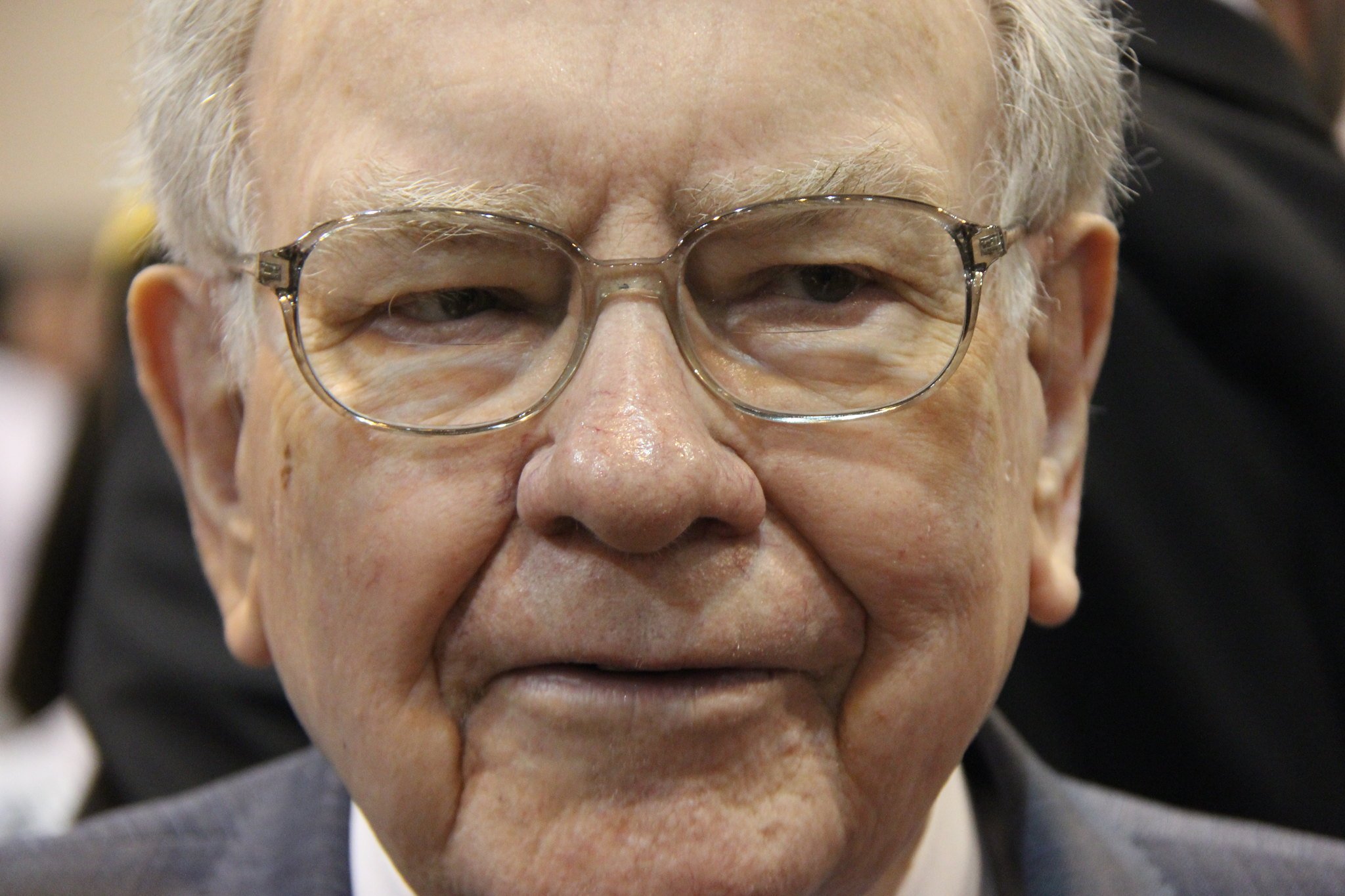
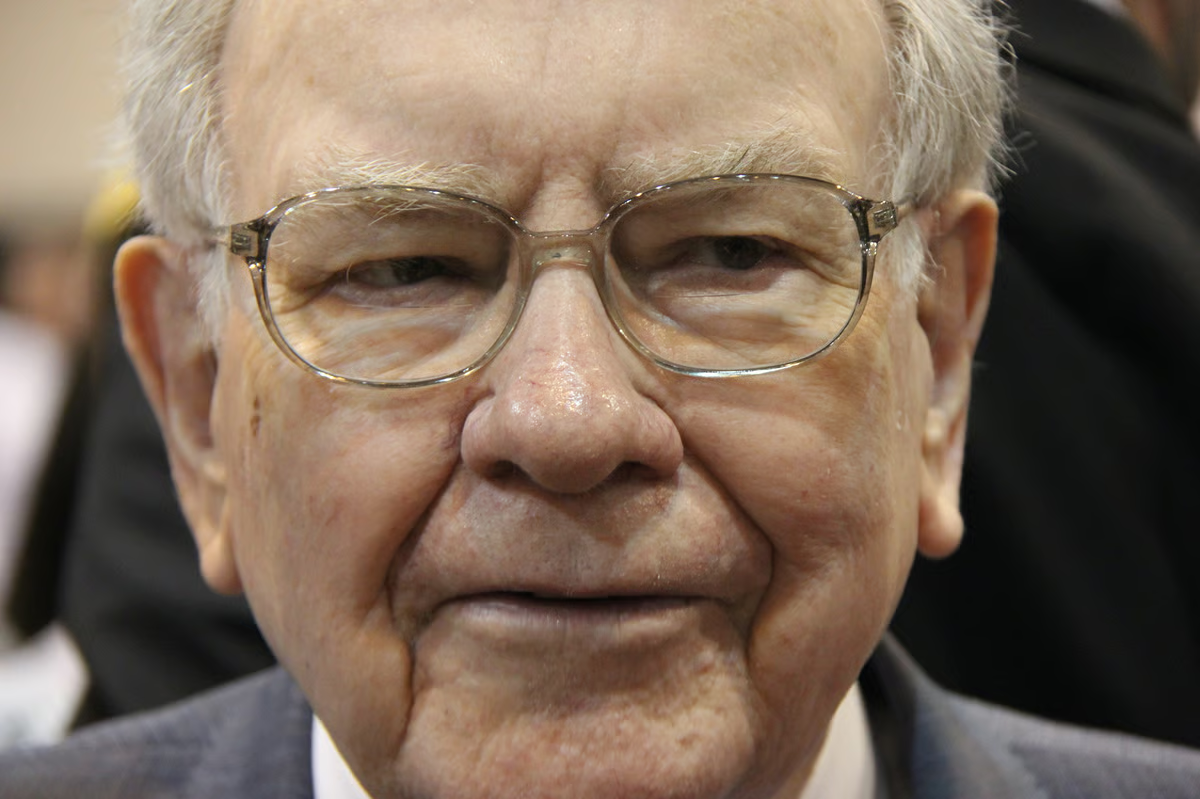
Warren Buffett retired as Berkshire Hathaway’s CEO on Dec. 31, 2025. Image source: The Motley Fool.
But investors witnessed what appears to be a decisive shift in the buying habits of Berkshire’s new boss. During the June-ended quarter, $23.47 billion in equity securities were purchased, and just $3.69 billion were sold, working out to $19.78 billion in net buying. It’s the first time Buffett or Abel has been a net buyer of stocks since the third quarter of 2022.
Though this might seem like a green light for investors to pounce, caution is warranted. Even after nearly $19.8 billion in net-purchasing activity in the second quarter, Warren Buffett’s and Greg Abel’s $366 billion warning to Wall Street echoes louder than ever.
Buffett and Abel are sticklers for value — and it’s challenging to find good deals in today’s market
Although we’ll have to wait until after the closing bell on Aug. 14 for Berkshire Hathaway to file its Form 13F — this form outlines which stocks Abel bought and sold in the June-ended quarter — it’s worth noting that a substantial portion of this year’s equity purchases relates to Google parent Alphabet (GOOGL -0.96%)(GOOG -0.88%).
BERKSHIRE HATHAWAY WAS A NET BUYER OF STOCKS DURING Q2 FOR THE FIRST TIME IN 14 QUARTERS
Berkshire Hathaway $BRK.B spent a total of $23.5 Billion buying stocks during Q2 … they brought in a total of $3.7 Billion by selling stocks during Q2
That means Berkshire spent a net… pic.twitter.com/hUxfgyPKbn
— Evan (@StockMKTNewz) August 8, 2026
During the first quarter, Abel more than tripled Berkshire’s stake in Alphabet’s Class A shares (GOOGL) and opened a position in its Class C shares (GOOG). Meanwhile, Berkshire purchased $10 billion in Alphabet stock ($5 billion of each share class) via private placement during the second quarter. This doesn’t appear to be an endorsement of the stock market as a whole, so much as Abel’s favoring Alphabet’s long-term growth prospects.
Since the fourth quarter of 2022, Berkshire Hathaway’s cash pile, including U.S. Treasury bills, has soared. Though it dipped in the latest quarter, it still stands at a staggering $365.5 billion (as of June 30).
Put plainly, neither Buffett nor Abel would keep this much cash on hand if they felt stocks, as a whole, were a good deal. This $366 billion warning speaks to the historical priciness of equities and the unwavering value-focused approach of Buffett and Abel.
Stock Market reaches most expensive valuation in history after the Warren Buffett Indicator hits 241%, surpassing the Dot Com Bubble, the Global Financial Crisis, and the 2022 Bear Market 🤯 👀 pic.twitter.com/Da3WEKoJUY
— Barchart (@Barchart) August 3, 2026
In a rare interview with Fortune magazine in 2001, Warren Buffett referred to the market-cap-to-GDP ratio as “probably the best single measure of where valuations stand at any given moment.” This ratio has since become known as the Buffett indicator.
When backtested to December 1970, the Buffett indicator has averaged 88%. In other words, the cumulative value of all stocks has averaged 88% of U.S. gross domestic product (GDP). On June 1, the Buffett indicator hit an all-time high above 234%!
While Berkshire’s exorbitant cash pile gives the company unparalleled financial flexibility, it also serves as an unmistakable warning to investors that finding a good deal is incredibly challenging.
Don’t be fooled: Just because Abel ended a 14-quarter streak of net selling, it doesn’t mean stock market valuations are attractive.