ITR filing 2026: Preventive health checkups can help you save tax — here’s how
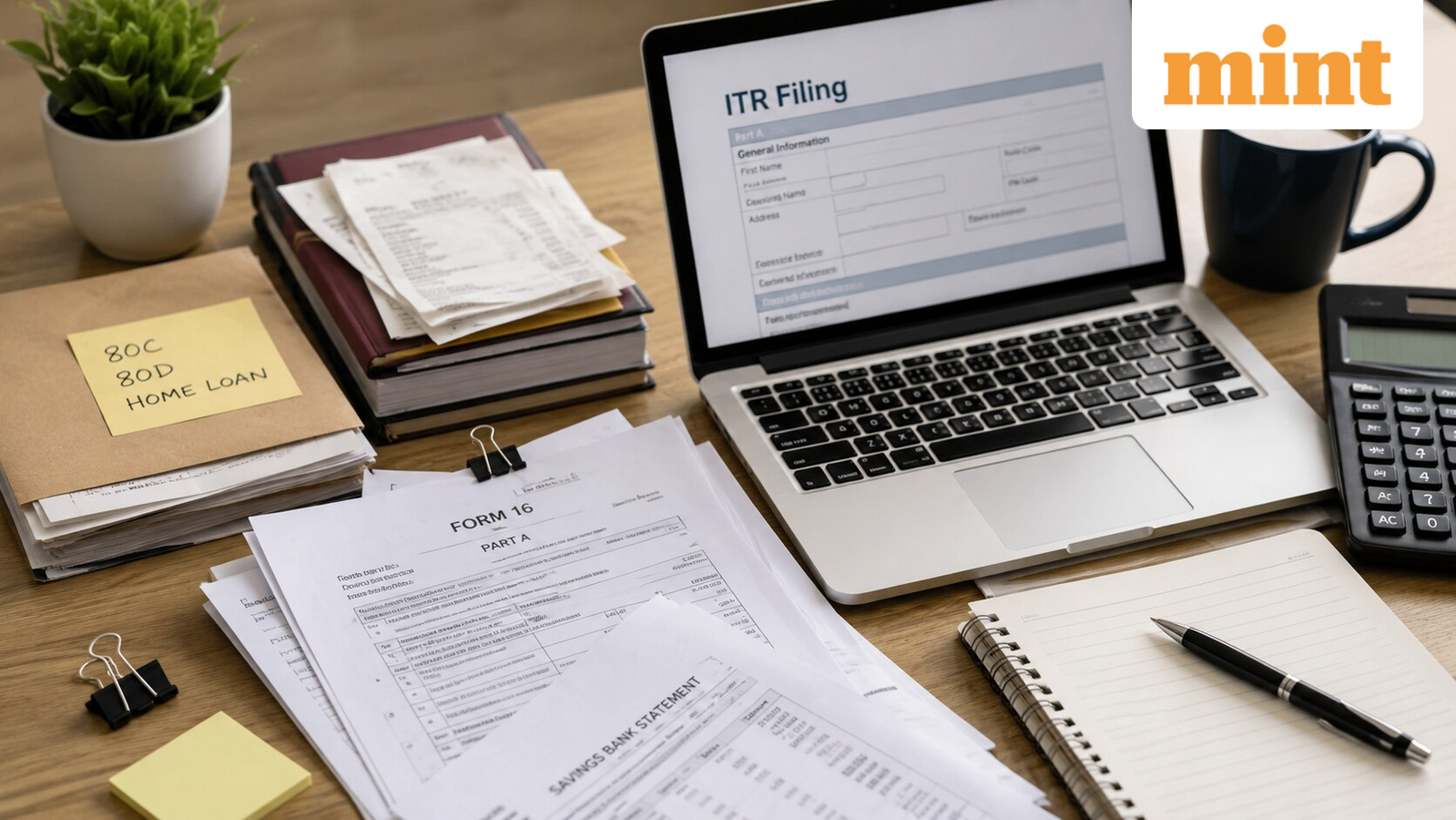
The income tax return (ITR) filing deadline is nearly three weeks away and many taxpayers have started gathering documents and identifying deductions they can claim to lower their tax liability.
One such provision under Section 80D of the Income-tax Act is the deduction available for preventive health checkups. These routine medical visits not only help you protect your health but also offer a tax benefit.
However, taxpayers must note that deductions under Section 80D are available only under the old tax regime. Those opting for the new tax regime for AY 2026-27 or any subsequent assessment year cannot claim this deduction.
How much tax deduction can you claim for preventive health checkups?
Expenses incurred on preventive health check-ups are eligible for a tax deduction of up to ₹5,000 in a financial year. This deduction covers routine screenings, doctor consultations, and diagnostic tests for yourself, your spouse, dependent children, as well as parents.
Under Section 80D of the Income-tax Act, individuals and Hindu undivided families (HUFs) can claim deductions of up to ₹25,000 for health insurance premiums paid for themselves, their spouse, and children. The deduction increases to ₹50,000 where the insured person is a senior citizen.
The ₹5,000 deduction for preventive health checkups is not an additional benefit. It is included within the overall Section 80D deduction limit and cannot be claimed separately over and above the applicable cap.
Key points to remember while claiming deduction for preventive health checkups
A preventive health check-up deduction is available under Section 126 of the Income-tax Act, 2025. It was introduced by the government in the financial year 2013-14 with an objective to encourage early detection and prevention of diseases by promoting regular health screenings.
To successfully claim this benefit, a taxpayer must know about these factors:
- Businesses requiring transfer pricing reports (international transactions or specified domestic transactions): 30th November 2026
- Belated (Late) Return: 31st December 2026
- Revised Return: 31st March 2027
- Updated Return (ITR-U): 31st March 2031 (within 4 years from the end of the relevant Assessment Year)
The income tax department prescribes different ITR filing deadlines for taxpayers depending on their income source, audit requirements, and business status. One should adhere to the due dates as not filing income tax return can attract penalties and interest if you have taxable income.