If the FARE Act Saves Tenants Money, Where Does it Go?
My column Wednesday was about New York laws that make housing cheaper. I did not include the FARE Act.
Why not? Affordability was surely the goal of City Council member Chi Ossé’s law, which took effect in June 2025.
The measures I wrote about prevent improvements to property, which does make housing cheaper in a given building. It’s housing affordability based on crappiness, but it works in the short term. Just like Wonder Bread fills your stomach for less money than a steak salad.
The Fairness in Apartment Rental Expenses Act, on the other hand, doesn’t make housing less expensive to build, renovate or operate. Nor does it add supply. Instead, it shifts costs from one party to another.
In most cases, it forces owners to pay the broker rather than make the tenants pay when they sign the initial lease.
The real estate industry predicted owners would make up for that cost by raising rents. Some analyses suggest that they are doing exactly that.
The brokerage REAL New York tracked 124 free-market leases in the West Village, Lower East Side, Nolita and Chelsea for apartments where tenants previously had to pay broker fees. In the FARE Act’s first year, the achieved rents jumped an average of 18.2 percent.
A StreetEasy study in December found the law was responsible for only a small part of rent increases.
I’m not ready to hang my hat on the data in these reports, because it’s so hard to tease out how much of the increase in rents is attributable to the new law or other factors, such as increased demand.
But basic economics suggests that if tenants can pay less to move into an apartment, they will pay more to stay there.
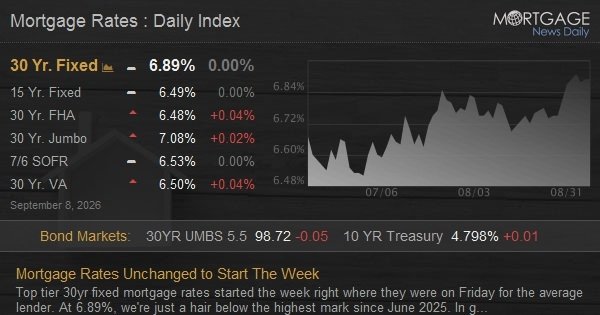
Remember high school physics? The law of conservation of matter? In real estate, there’s a law of conservation of money. For example, when mortgage rates go down, people bid more for homes, and vice versa. The FARE Act reduces the cost of moving frequently and increases the cost of staying put.
However, rent control attempts to suspend the laws of economics. In rent-stabilized housing, the Rent Guidelines Board is not allowing landlords to raise rents to recapture the cost of broker fees (or anything else). What happens then?
If those landlords start paying brokers, or hiring staff to do the work in-house, they can try to make up the cost by raising rents on their market-rate units. But if those rents are already as high as the market can bear, owners will essentially eat the cost, as Ossé intended.
This reduces profits, which in turn reduces the value of buildings. Rent-stabilized tenants save and their landlords lose. The law of conservation of money.
Landlords can try to preserve their profit margins by cutting back on maintenance, but that, too, reduces their buildings’ value. It also makes their buildings worse places to live. That brings us back to affordability based on crappiness.
Perhaps the FARE Act did belong in Wednesday’s column after all.
Read more

Even Mamdani’s favorite landlords are exasperated

The Daily Dirt: Sizing up the FARE Act