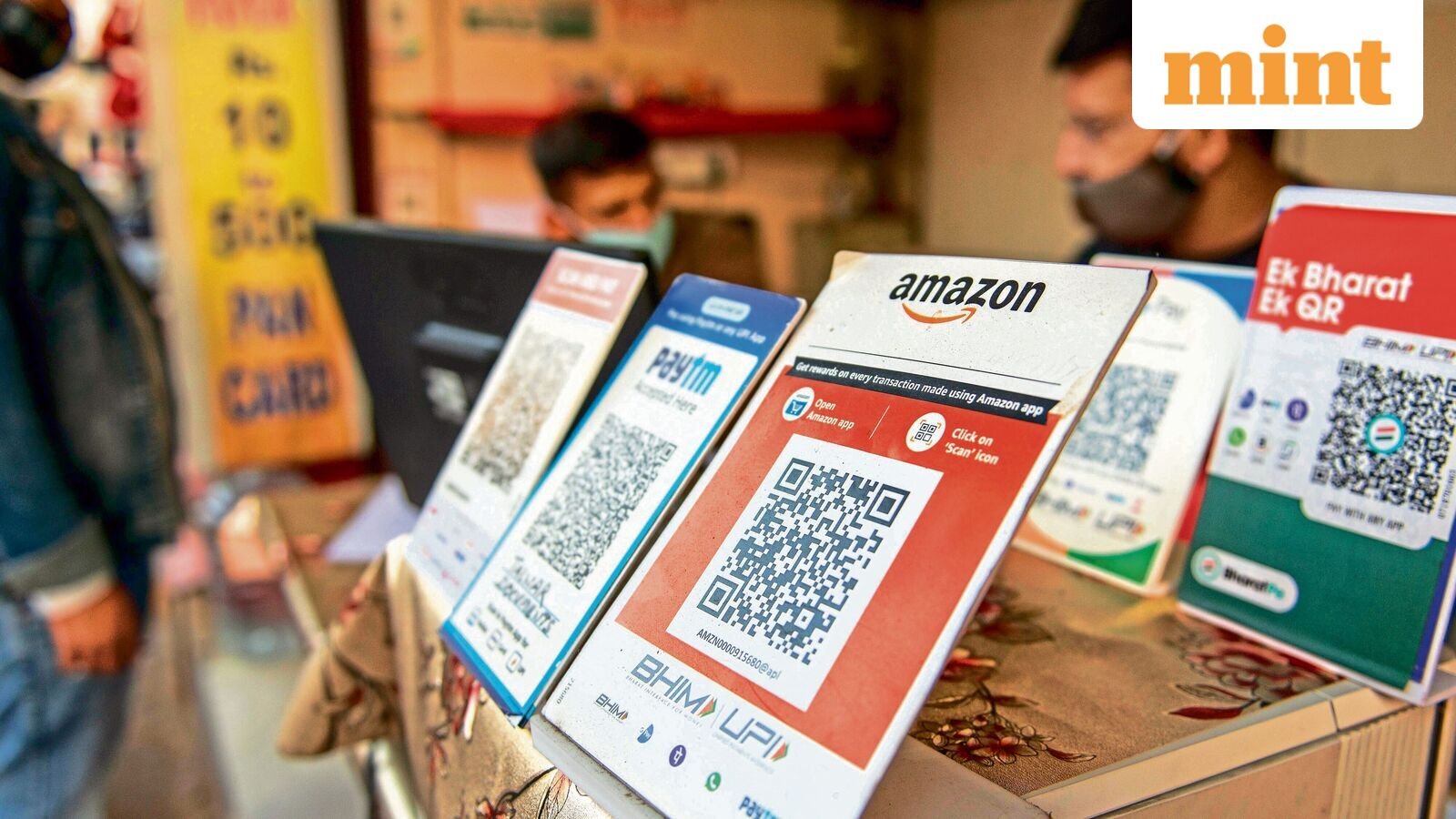
UPI MDR: Who will pay, who won’t, and what the new rules mean | Government clarifies
Amid widespread discussion about transaction fees and merchant charges, the government on Saturday clarified that UPI will remain free for consumers and that small merchants will not incur charges for accepting digital payments. In fact, the MDR (Merchant Discount Rate) charges will be applicable for a few sets of merchant transactions
What did the government say?
“As and when MDR charges are introduced, they will apply only to a limited set of merchant transactions above a certain threshold, at a nominal rate far lower than debit or credit card MDRs,” the government said in a release
The vast majority of the transactions will remain free of charge for merchants on UPI. MDR, if introduced, will be threshold-based and not levied blanketly on all, it adds.
“Once the Parliament passes the Taxation and Other Laws (Amendment) Bill, 2026, which proposes to amend Section 10A of the Payment and Settlement Systems Act, 2007, the UPI and Services Steering Committee headed by NPCI will decide on the MDR, if any,” the government further clarifies.
Key things to know:
- No charges will be levied for using UPI
- P2P transactions will remain free
- Small merchants will not incur charges for accepting digital payments
- It will apply only to a limited set of merchant transactions, above a certain threshold, at a nominal rate
This clarification comes after the passage of the Taxation and Other Laws (Amendment) Bill, 2026, in the Lok Sabha. The legislation, moved by Finance Minister Nirmala Sitharaman and passed by voice vote without discussion, seeks to amend the Payment and Settlement Systems Act, 2007, the Income-tax Act, 2025, and the Finance Act, 2026.
The bill empowers the government to levy an MDR on select electronic payment modes, with a potential MDR of 0.25 per cent to 0.4 per cent on business-directed UPI transactions above ₹2,000, while leaving person-to-person payments unaffected.
The recent change has sparked debate, with some people believing that it means users will have to pay charges for UPI. In reality, the amendment aims to make UPI more sustainable, technologically advanced, and better prepared for future risks.
“India now stands at the cusp of the next wave of digital payments growth. To further expand UPI into rural and semi-urban areas and maintain competitiveness, the UPI ecosystem must be self-sustainable and affordable. The amendment to the PSS Act is a forward-looking step to ensure that UPI continues to thrive as a secure, affordable, inclusive, and globally recognised payment system.”