Merchant discount rate on UPI: Will customers pay, who bears operating costs, why now, and other top FAQs answered
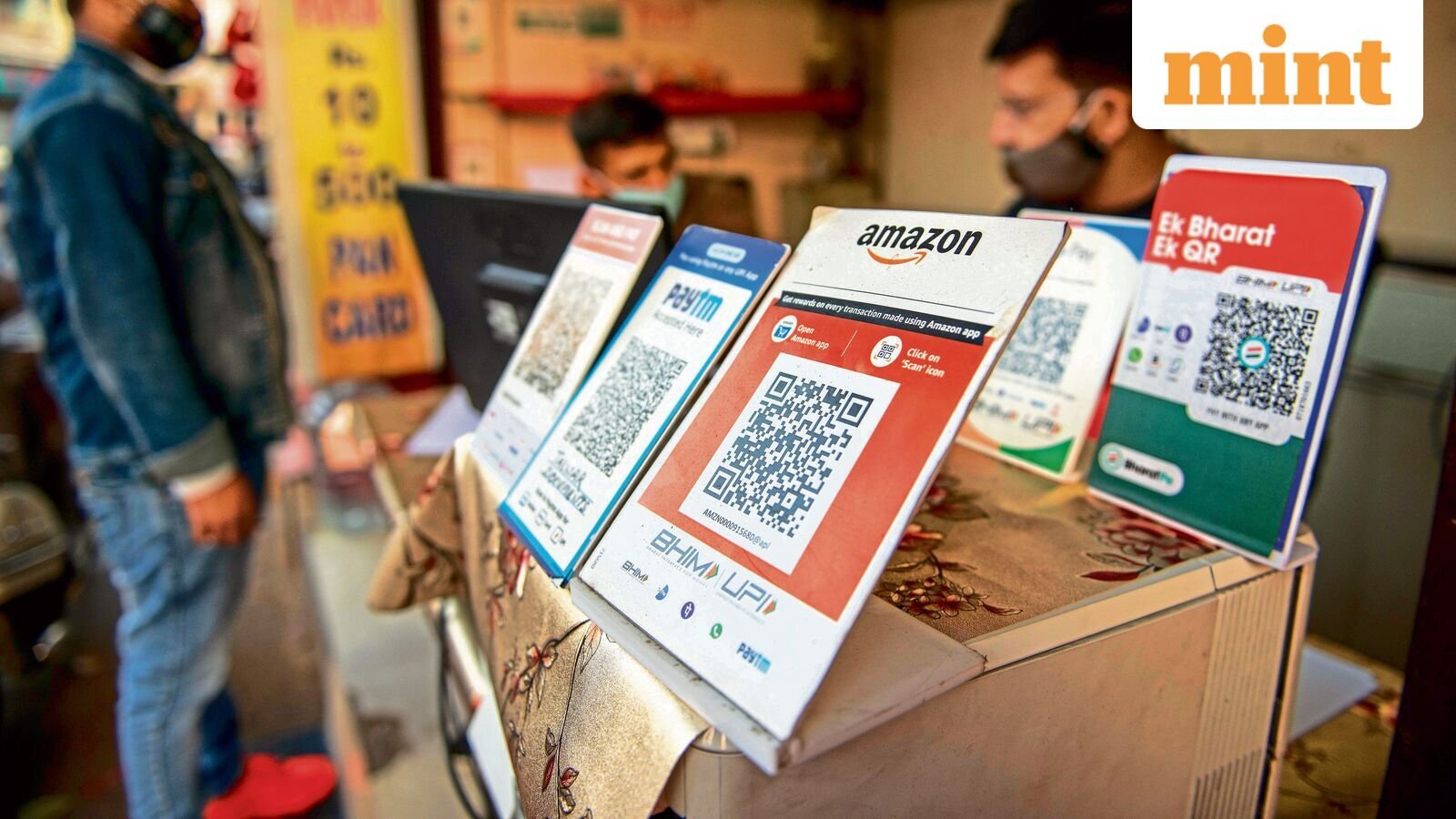
The Lok Sabha on 6 August passed the Taxation and Other Laws (Amendment) Bill, 2026, which amends the Payment and Settlement Systems Act, 2007 and allows the government to bring back merchant discount rate (MDR) charges on transactions conducted through the unified payments interface (UPI) system.
The lower house of Parliament on Thursday, approved the legislation that seeks to “fund UPI’s next phase of growth”. This could lead to the scrapping of the zero MDR provision under Section 10A and allow banks and payments system providers (PSPs) to likely impose charges on high value UPI transactions.
Raghav Muthanna, Partner, CMS IndusLaw noted that this marks a significant shift in the digital payment landscape in India. He added, “While it is unlikely that MDR will be levied on P2P transactions or lower value P2M transactions … once MDR is formally introduced, the move will likely also rejuvenate other players in the payments industry including banks, credit card companies and authorised PPI entities who’s ability to monetise their own products and offer competitive incentives was being curtailed because of the mass migration of customers and merchants onto various fee free UPI platforms.”
What are Merchant Discount Rates?
Regulated by the Reserve Bank of India (RBI), merchant discount rate or MDR is the fee businesses pay to banks and PSPs to process online transactions made by customers. Since 2020, this stands at 0% for UPI and RuPay debit card transactions as the Centre sought to promote digital payments and mandated no MDR for customers and merchants.
In practice, this works like this: A customer pays ₹1,000 for an item using credit or debit card, of this, a small percentage is deducted and split between the banks on the two ends, while the merchant receives the net amount. For UPI transactions at present, merchants receive the full transaction amount.
MDR to apply on UPI transactions? Top FAQs answered
The Payments Council of India (PCI) in a post on X, today, noted that there has been considerable discussion around UPI and merchant charges and addressed a few FAQs around the matter. Here’s a look:
Will I have to pay to use UPI? No. UPI has always been free for consumers since its launch in 2016. Every Indian can continue making instant digital payments without paying any transaction charges.
Will small shopkeepers or kirana stores be charged for accepting UPI? No. Small merchants are not required to pay any charges (MDR) to accept UPI payments. UPI was designed to make digital payments accessible for even the smallest businesses across India, and protecting small merchants remains central to the ecosystem’s inclusive growth.
Why is there a discussion around UPI charges now? UPI has evolved from a new payment platform into the world’s largest real-time payment system. As the ecosystem continues to expand, discussions are taking place on how to sustainably support the infrastructure that enables billions of secure transactions every month, while continuing to ensure that consumers and small merchants remain protected.
Who built and continues to invest in UPI? For nearly 10 years, banks, payment companies, fintechs, NPCI and RBI have collectively invested in technology, cybersecurity, fraud prevention, innovation and customer support to build one of the safest and most reliable payment systems in the world. These investments continue every day to keep UPI secure, resilient and available 24×7.
If UPI is free, who bears the cost of operating it? Operating a national payment infrastructure involves continuous investment in technology, fraud prevention, cybersecurity, compliance, customer support and innovation. These costs are currently borne by ecosystem participants including banks and payment service providers who continue to invest so consumers can enjoy a safe, secure and seamless payment experience.
Would consumers have to pay if large merchants pay for payment acceptance? No. Merchant service charges, where applicable, are commercial arrangements between merchants and payment service providers. They do not mean that consumers pay to use digital payments. Across the world, merchant service charges are a standard feature of digital payment ecosystems, while consumers continue to enjoy convenient and secure digital payment experiences.
Why is sustaining the UPI ecosystem important? UPI has become critical national digital infrastructure used by hundreds of millions of Indians every day. As transaction volumes continue to grow, sustained investment in security, resilience, innovation, fraud prevention and infrastructure will remain essential to ensure that UPI continues to serve consumers and businesses reliably for years to come.
How much MDR could be imposed?
According to a Bloomberg report, citing a note from global brokerage firm Bernstein, a merchant-funded MDR of 30-40 basis points (bps) is the most likely outcome in case the government allows such a move, it said.
Mehul Mistry, SVP, customer success, strategy and growth at Zeta told Livemint in a statement, “The government’s approach appears designed to strike a balance, keeping digital payments free for consumers and small businesses, while creating a sustainable revenue model for the banks, PSPs, and payment infrastructure providers that power this ecosystem.”
“Based on current discussions, we expect UPI MDR to be in the range of 5–7 basis points (0.05–0.07%), and RuPay debit card MDR at around 15–20 basis points (0.15-0.20%), applicable only to large merchants above an annual turnover of roughly ₹1–1.5 crore,” Mistry added.
He added that small merchants and P2P UPI transactions should continue to remain free. “This threshold-based structure protects the smallest players while ensuring continued investment in the security, reliability, and scale that digital payments infrastructure demands,” he added.
MDR applies to merchants, not customers: Sitharaman
In a clarification post on social media platform X (formerly known as Twitter), Union Finance Minister Nirmala Sitharaman said MDR on digital transactions applies to merchants and not to customers. She added that the charge would support banks and fintech to invest more on infrastructure and security.
Hitting out at Congress leader Jairam Ramesh over his remark that ordinary people may have to pay more for using UPI, Sitharaman, in a post on X, said the UPI and Services Steering Committee headed by NPCI is yet to decide on the MDR, which would happen only after both houses of Parliament pass the Taxation and Other Laws (Amendment) Bill, 2026.
Speaking to ANI, Kunal Rana, Director, Merchant Services, Google Pay, today said the company would follow the Centre’s direction on the matter. “We are operating in the current regime as well, of the zero MDR. We’ll see how the government decides. It’s up to the lawmakers, and the relevant industry bodies like NPCI to decide,” he said.
Disclaimer: This story is for educational purposes only. We advise investors to check with certified experts before making any investment decisions.