Govt set to exceed key fundraising goal on state-firm stake sales | Finance News
India expects to exceed this fiscal year’s goal of raising ₹80,000 crore ($8.4 billion) through the sale of stakes in state-run firms and other asset monetisation methods, government sources said, helping public finances strained by the West Asia conflict.
The US-Israeli war on Iran has driven up fertiliser import costs and fuel subsidies, sparking concern that the government could fall short of its budget goals. India has often missed its target for divestments and asset monetisation in recent years.
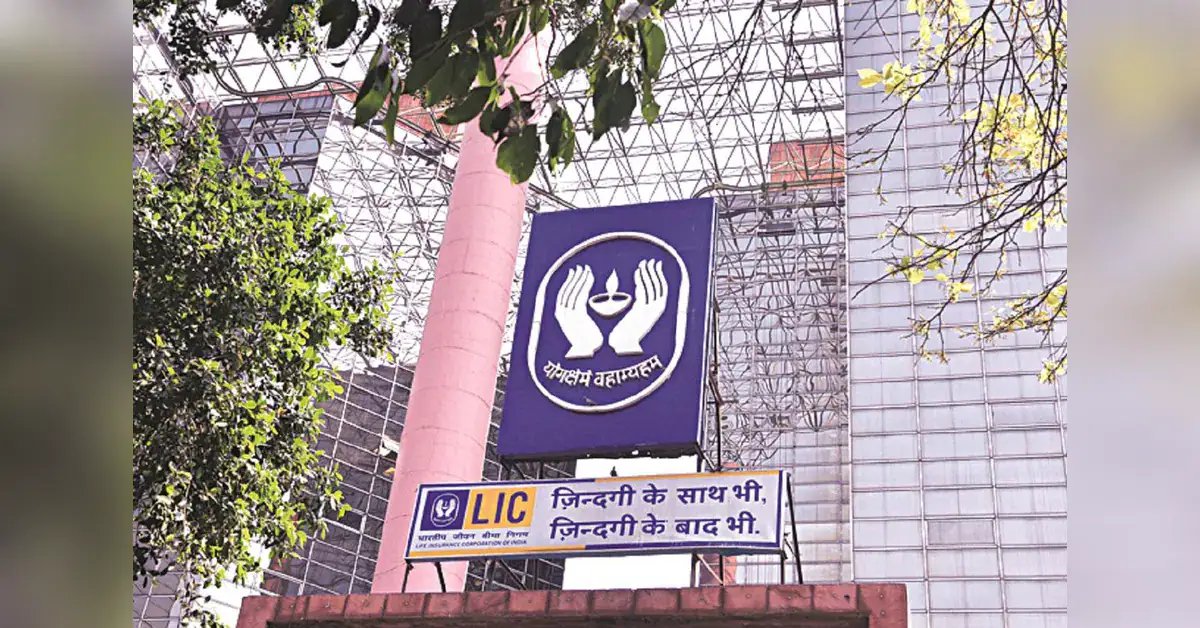
The government this week completed the sale of shares worth ₹31,550 crore ($3.3 billion) in state-owned Life Insurance Corporation (LIC), its biggest divestment in years. Combined with sales of shares in firms such as Coal India and Indian Railway Finance Corp, more than $5.5 billion has been raised to date.
According to one of the sources, the long-delayed sale of the government’s stake in IDBI Bank should also conclude this fiscal year, potentially adding $2.5 billion to state coffers.
Moreover, Finance Minister Nirmala Sitharaman has given quarterly targets to the ministry’s divestment department to boost stake-sale receipts, the second source said.
The sources were not authorised to speak to media and declined to be identified. India’s finance ministry did not respond to a request for comment.
The government launched an ambitious privatisation drive in 2021, but progress has been slower than initially envisaged, with only a handful of strategic sales completed.
Officials have increasingly relied on sales of smaller stakes in listed state-run companies, which are easier to execute and carry lower political and regulatory risk, the first source said.
FISCAL PRESSURES
Increased oil import costs for India, the world’s third-largest crude importer, have raised concerns about a possible widening of the fiscal deficit and current account gap.
The government is targeting a fiscal deficit of 4.3% of GDP this fiscal year. But a 37% jump in subsidy spending for the April-June first quarter from the same period a year earlier has led some analysts to warn that the government will fail to meet its goal.
Overall government expenditure for the quarter rose 11%, government data shows.
The government may need additional measures to meet its deficit target, said N.R. Bhanumurthy, director of the Madras School of Economics.
“Compared with previous years, the rise in divestment receipts is a positive trend. However, the government will need to mobilise more revenue this year, as fuel tax cuts alone have cost the exchequer more than ₹1 trillion,” he said.
Sitharaman said last month there were no immediate plans to revise budget estimates.
DIVIDEND BOOST
Dividends received by the government from the Reserve Bank of India, state-run banks and financial institutions have already hit ₹3.24 trillion for April 1 to August 5, exceeding the ₹3.16 trillion initially expected for the whole of this fiscal year.
The RBI contributed a record ₹2.87 trillion. The government expects non-financial state-run companies to pay ₹75,000 crores in dividends this fiscal year. It has received ₹2,550 crore so far.
There have been no major asset monetisation announcements yet. Asset monetisation can include selling land or creating infrastructure investment trusts that hold government-owned infrastructure assets.