SpaceX and Tesla Merger Talks Are Heating Up. Here’s Why Investors Should Pay Attention.
SpaceX (SPCX +6.14%) and Tesla (TSLA -0.63%) are preparing for a megamerger. At least that’s what a growing number of reporters and experts believe.
“Investors and analysts have long speculated about the possibility of combining Musk’s electric vehicle and space firms, with the discussion intensifying during SpaceX’s record $75 billion initial public offering process,” Reuters reports.
SpaceX and Tesla CEO Elon Musk has done little to temper the speculation.
“As you can tell from the many collaborations on so many fronts with SpaceX, there’s more and more overlap … We can’t talk about, you know, combining companies and that kind of thing on an earnings call,” Musk recently told investors. “It’s got to be done with the appropriate process.”
How likely is a potential megamerger? “I would put the odds that these two will combine at 90% today,” one industry analyst revealed after hearing Musk’s comments. “If you were going to ask me yesterday, I would have said it’s 80%.”
While I’m not sure the odds are that high, I do believe it’s more likely than not that a merger will eventually be attempted. And there’s one obvious reason why.

Space Exploration Technologies
Today’s Change
(6.14%) $6.65
Current Price
$114.92
Key Data Points
Market Cap
Day’s Range
$105.11 – $115.75
52wk Range
$104.83 – $225.64
Volume
255.2M
Avg Vol
117.4M
Here’s why Tesla and SpaceX will eventually try to merge
Speculation surrounding a potential merger between Tesla and SpaceX stems from several fronts.
First, the two companies already work very closely together. Take a look at SpaceX’s IPO prospectus, and you’ll see Tesla mentioned more than 80 times. The two companies are already partnering on a variety of projects, including a massive chip manufacturing facility, Starlink integration for Tesla’s Cybercabs, AI agent Digital Optimus, and Macrohard, an agentic artificial intelligence platform.
The two companies also already buy each other’s services. SpaceX, for example, has purchased hundreds of millions of dollars of Tesla Megapacks: large battery systems that can help power SpaceX’s AI data centers. Tesla, meanwhile, owns a direct stake in xAI, SpaceX AI division, and will likely be reliant on that business’s products and services to help scale its robotaxi and self-driving car efforts.
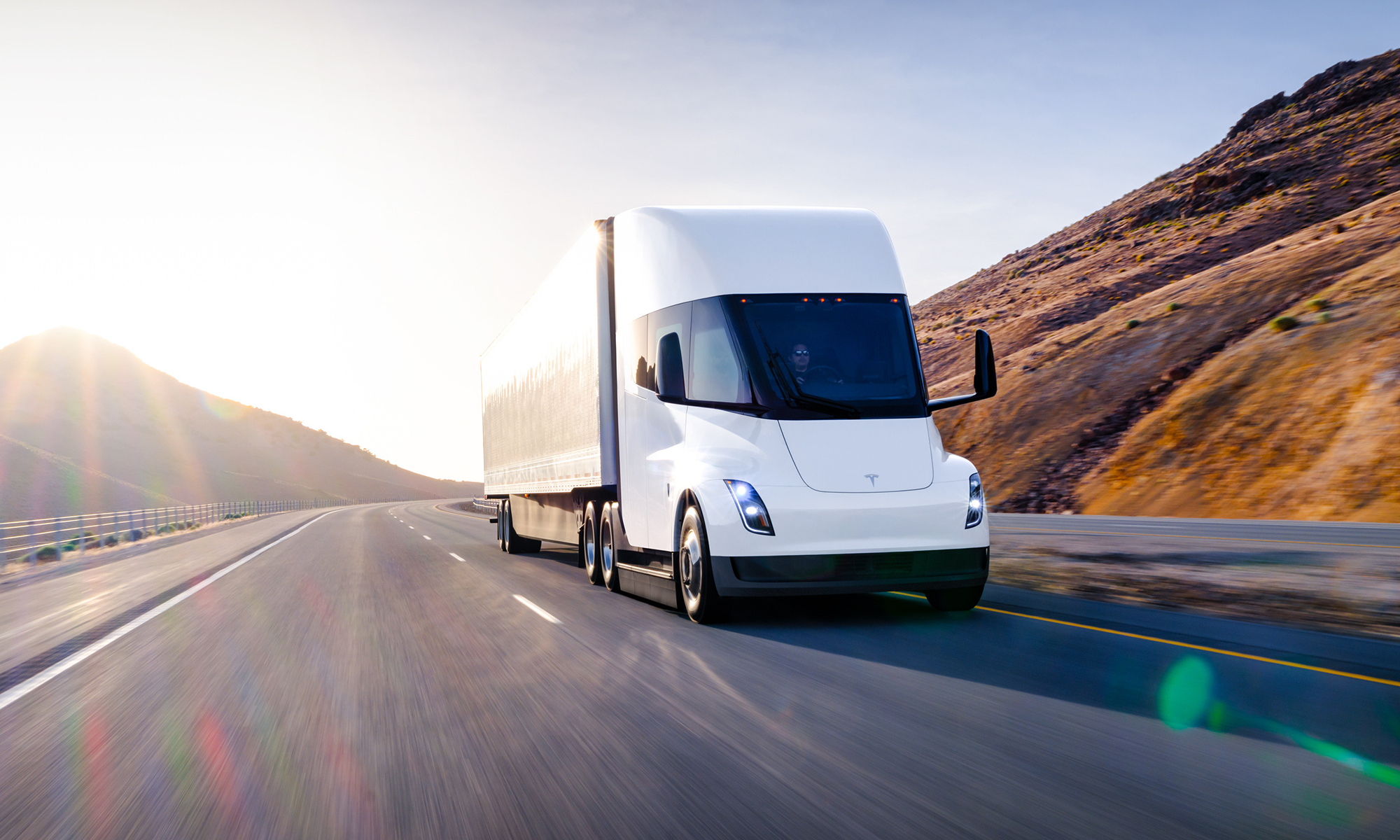
Image source: Getty Images.
Both Tesla and SpaceX are increasingly focused on becoming AI powerhouses. Given that AI development is largely a function of compute power, access to funds, and access to data, a megamerger brings many direct benefits.
The biggest reason I suspect a megamerger is on the horizon, however, is Musk’s ownership stakes. Musk only owns around 15% of Tesla’s outstanding shares. That has created difficulties for him personally. Many shareholders voted against his proposed pay package, though the efforts did ultimately pass. And while Musk owns just 42% to 46% of SpaceX’s outstanding shares, he controls more than 80% of the voting power.
Depending on how a deal was structured, a merger between Tesla and SpaceX could give Musk full control over the combined entity. I wouldn’t expect Musk to pursue a deal if that meant giving up control over SpaceX and Tesla. The benefits for him personally would be far less in such a situation.
“The most important additional reason a merger makes sense is that Tesla and SpaceX CEO Elon Musk wants to consolidate his companies into one conglomerate,” observes Morningstar. “This would allow him to run all their operations under one roof without tripping on as many governance issues.”
So while a merger makes sense on multiple fronts, it may simply come down to one question: Will a merger benefit Elon Musk, whose voting power is ultimately needed to execute such a merger? If the answer is yet, expect the firms to attempt a tie-up. Whether regulators approve such a deal, however, remains to be seen.