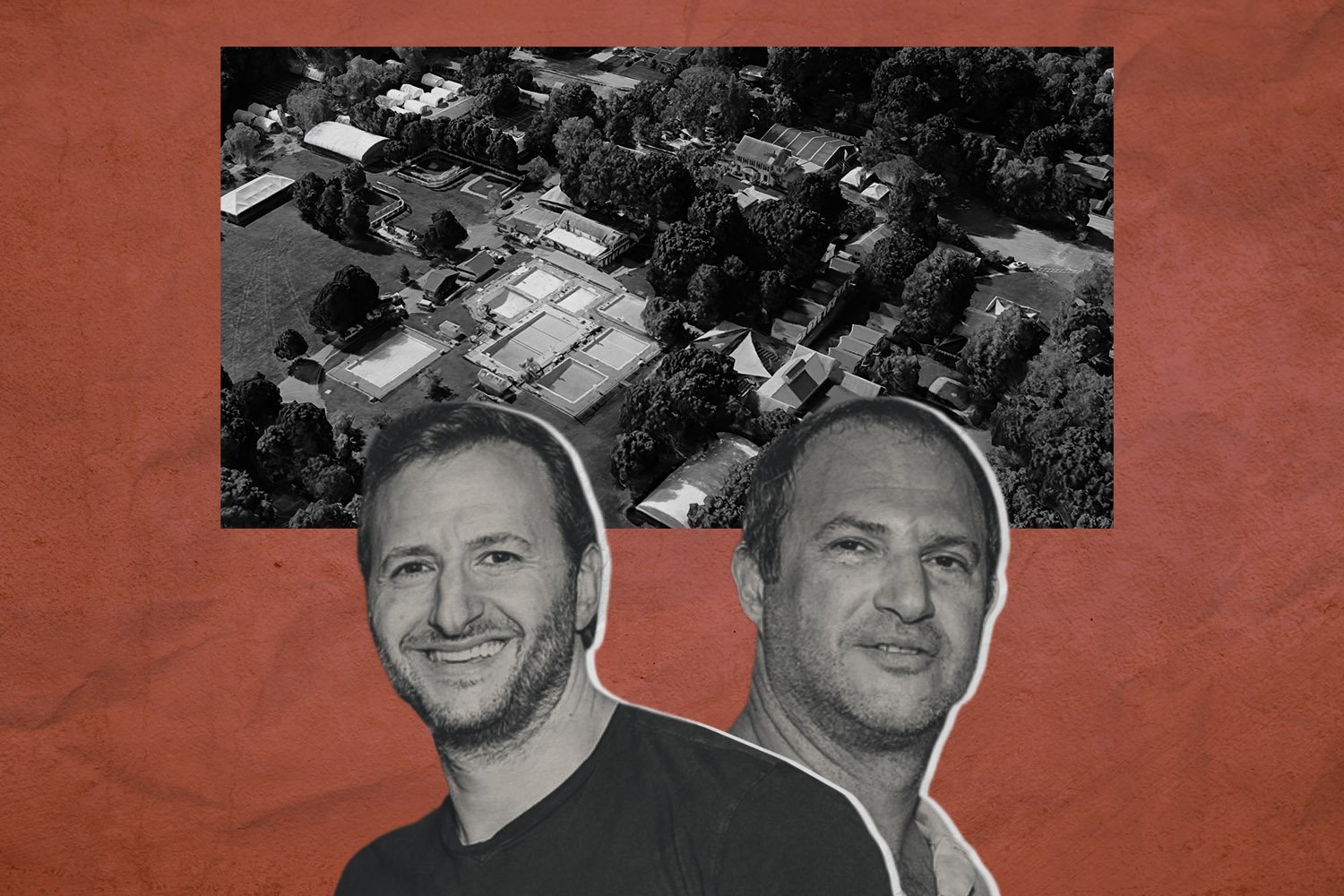
Camp Mohawk, Simad summer camps cash out
Forget AI-leased data centers. Summer camps are emerging as one of real estate’s hottest asset classes.
Simad Holdings, which owns 30 summer camps across the country, was forced to auction off much of its portfolio after the company filed for bankruptcy earlier this year. The result suggests that the camps themselves were not the problem.
In total, 22 camps sold for $368 million, about 7 percent more than what appraisal firm Leitner Berman had valued the camps at in 2025, according to a filing on the Tel Aviv Stock Exchange. Camp Mohawk sold for $120.8 million to investment firm FitzWalter Capital Partners in an auction, beating out Warner Bros CEO David Zaslav’s stalking horse bid of $80 million.
The camp in Westchester County which charges upwards of $12,000 per summer, sold, along with 21 other camps, including Blue Star Camp, Camp Echo and Banner Day Camp. The buyers include a variety of operators, private equity firm backers, camp directors, and a Jewish Community Center.
Simad defaulted on payments on about $200 million in bonds raised in Israel in May and revealed that the company diverted $34 million to companies controlled by its principal shareholders, David and Michael Shabsels. The Israeli Securities Authority launched a criminal investigation and recently the company announced the United States Department of Justice is also investigating.

The Shabselses ceded control of the company to a restructuring officer, Assaf Ravid, who put Simad and the Shabsels non-camp real estate holdings into bankruptcy. Ravid worked more than 80 hours a week, scouting buyers so he could pay back secured creditors — including Israeli bondholders and Bank of New Hampshire — and secure debtor-in-possession financing to keep the camps operating for the summer, according to bankruptcy filings.
Simad sold camps including Camp Achim, Camp Mesorah or Camp Chen-a-Wanda through private sales, and twenty three camps were put up for auction on July 27. The bidding lasted five days and multiple rounds.
More than 100 prospective bidders executed non-disclosure agreements and received access to due diligence materials.
The positive results suggest the Shabsels’ problems were not tied to their camps’ values or cash flow, making the brothers’ predicament more bizarre. The Shabselses heavily levered their properties, especially their non-camp real estate, but it remains unclear why they did not sell their profitable and cash flowing properties sooner.
At least one camp has already posted on social media about the auction results. Camp Lokanda posted a photo of the Gabbay family, the existing camp operator with the caption “The Future is BRIGHT🌟The Gabbay’s and Lokanda are here to stay!! We can’t wait for a lifetime with all of you🦁 The best is yet to come❤️🩶 #camplokanda #family #summerhome.”
class=”instagram-media”
data-instgrm-captioned
data-instgrm-permalink=”https://www.instagram.com/p/DbospyvIPIE/”
data-instgrm-version=”14″
style=”
background:#fff;
border:0;
border-radius:3px;
box-shadow:0 0 1px 0 rgba(0,0,0,0.5),0 1px 10px 0 rgba(0,0,0,0.15);
margin:1px;
max-width:540px;
min-width:326px;
padding:0;
width:calc(100% – 2px);
“>
American Youth Camping purchased Lokanda, Camp Echo, Camp Med-O-Lark, Indian Acres Camp for Boys & Forest Acres Camp for Girls and Camp Wekeela. The New York Post’s Page Six tied American Youth Camping to the principals of hedge fund Rubric Capital and Sam Drazin of Drazin Capital. Bankruptcy and TASE filings do not disclose the members behind the American Youth Camping entity.
But perhaps the happiest campers are the Israeli bondholders, who are likely going to be paid back in full. The bondholders include prominent Israeli financial institutions such as More Investment House, Meitav and Migdal Capital Markets. The bonds are secured by 16 camps. The auctions and private sales of those camps resulted in $336.3 million in sales, more than the $296.5 million in the camp’s appraised values and far beyond the $214 million owed to the bondholders at the beginning of the bankruptcy.
The auction results are also a positive sign for unsecured creditors. Simad, under Michael Shabsels’ leadership, took on over $100 million from merchant cash advance lenders. These lenders provide high-interest loans and could tap into the Shabselses companies’ checking accounts to withdraw money in the event of a default.
In bankruptcy, the MCA lenders were listed as unsecured creditors, meaning they only get paid back after the secured creditors are repaid. But given the returns of the auction, the MCA lenders could see a partial recovery.
A sales hearing is scheduled for August 10 to confirm the results of the auction. Objections to the bid must be submitted by August 6. Three camps were not part of the auction process, Willow Lake, Camp Kiwi, Chateaugay, partly because litigation tied the camps. Simad said it is still analyzing the bids for Camp Lavi.
Read more

Summer camp sales mark the next chapter in Simad’s collapse

DOJ launches criminal investigation into camps owner Simad Holdings, David and Michael Shabsels

Health care mogul Daryl Hagler to buy Camp Mesorah from bankruptcy