Homeowners, Developers at Odds in Wake of LA Wildfires
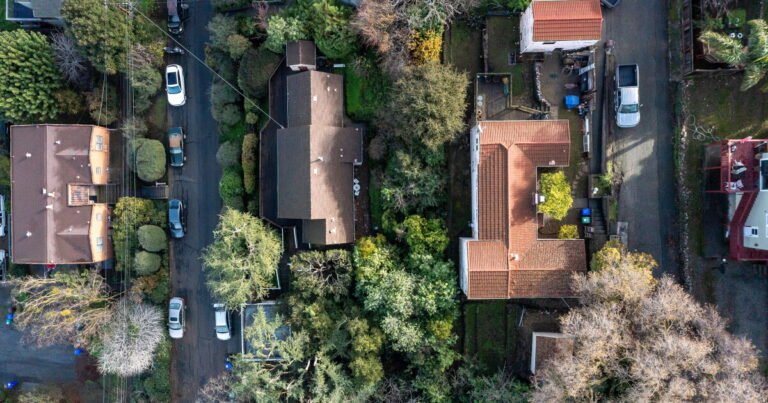
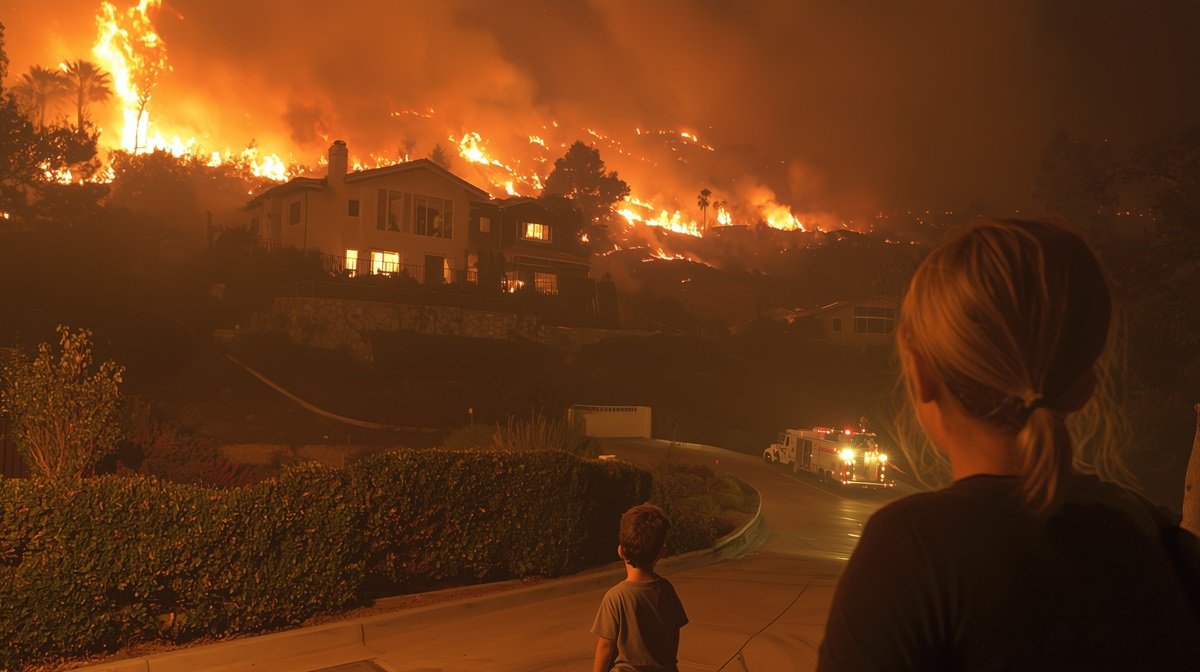
Residents of the Altadena neighborhood of Los Angeles are worried that developers’ plans may erase the distinct qualities that defined the neighborhood before it is was ravaged by wildfires in early 2025.
Politico reported that after the Eaton fire tore through Neil Tyler’s home in Altadena, he and his wife quickly set out to rebuild. The couple designed their new house to resemble the old one and, with the framing complete, expect to return home in the spring.
Recently, however, the 41-year-old attorney found a developer’s plans to build 10 houses on a neighboring lot. Politico said it is one of more than a dozen such proposals Tyler said he and other residents have identified.
Should they be allowed to go forward, Tyler worries the projects will encourage more developers to follow with a sea of subdivisions, wiping away the patchwork of quirky, tight-knit neighborhoods that defined Altadena before the blaze.
Wildfire Survivors United
“I can’t foresee ever feeling like we’ve recaptured the dream house,” Tyler said. “Because it’s not just the house, it’s the community we fell in love with.”
Politico noted that the distrust of what Tyler calls “predatory developers” has united wildfire survivors from Altadena’s foothills to the winding streets of Pacific Palisades and the Malibu coastline.
Those areas were equally devastated in last year’s blazes. The recovery has become pretty political.
Politico noted that state lawmakers are pursuing a new round of limits on denser rebuilding, arguing that developers are taking advantage of special rules never meant for them. The effort comes after Gov. Gavin Newsom, pushed by residents to curb investor activity, issued an executive order last summer banning a state duplex law in Pacific Palisades, Politico reported.
“The disaster survivor who literally was living in a home that is now gone through no fault of their own deserves a little bit more grace than an opportunistic investor,” said Ben Allen, a Democratic state senator representing Pacific Palisades and parts of Malibu. “There’s a special status for these folks who lost everything.”
Politico reported that those proposals are colliding with California’s broader drive for more housing amid a long-running shortage and the realities of a frustrating rebuild that is unfolding slowly as homeowners struggle to cover daunting construction costs.
Developers working in the burn zones say they’re building housing that survivors will want and that broader Los Angeles needs, Politico said. Some victims of the wildfires worry that attempts to reel in developers could depress property values or complicate opportunities to build additional homes on their properties, Politico reported.
Tensions Emerge
Zachary Lamb, an assistant professor of city and regional planning at University of California, Berkeley said that developers often become flashpoints in the aftermath of natural disasters. Tensions emerge with the need to attract investment and know-how to restore homes and businesses, he said.
“Developers obviously have a profit motive that’s built into their work. But they also have expertise,” said Lamb, who has studied post-Katrina New Orleans and other recoveries.
The Eaton and Palisades fires destroyed 16,000 homes, businesses and other structures, burning a stretch of beachfront houses along the iconic Pacific Coast Highway in Malibu and one of Los Angeles’ centers of Black homeownership in Altadena.
Politico noted the significance of these and other areas intensified concerns that land grabs could produce pricey, out-of-scale houses or leave lots vacant as investors wait for values to rise.
Within weeks of the January 2025 fires, “Not For Sale” signs popped up on charred lots, giving rise to a rallying cry in Altadena and Pacific Palisades, Politico said.
Anxiety has grown as homeowners, particularly in Altadena, have been bombarded with unsolicited offers from real estate investors looking to buy their properties. When Los Angeles Mayor Karen Bass celebrated the first completed rebuild in Pacific Palisades in December, survivors protested because it was a spec house.
And as lot sales have increased, so too has concern over the role developers and outside investors will have in the rebuild.
Politico noted that more than 1,000 vacant lots — about 10% of those that burned — have been sold in Pacific Palisades and Altadena as of June, according to an analysis from real estate firm Redfin.
Investor Shares Rise
Half the sales have gone to investors, the Redfin data shows, with their share rising over time.
Politico noted that Tyler and hundreds of his neighbors attended an emergency Altadena Town Council meeting in June to share their indignation over, among other things, the fact that state laws meant to spur denser building had been shelved in wealthier Pacific Palisades but not Altadena.
State Sen. Sasha Renée Pérez, a Democrat who represents Altadena, responded with SB 1090, which would pause the construction of duplexes, and 10-unit subdivisions, such as the one planned near Tyler’s home, in the community during the recovery.
Lawmakers are expected to debate the bill when they return to the Capitol following summer recess.
“It will protect Eaton fire survivors and allow them the time they need to rebuild their community without the overpowering influence of predatory developers,” Pérez said at a recent Sacramento rally.
Developers contend, however, that the anger aimed at them is misplaced.
Sean Beddoe, co-owner of Stone West Homes, said the subdivision law makes it possible for companies like his to produce starter homes for survivors and other Los Angeles buyers. Stone West has bought seven lots in Altadena and wants to put up about 10 houses averaging 1,750 square feet on each, Politico reported.
Beddoe said the company was encouraged to pursue its plans in part by a brochure put out by Los Angeles County that extoled the rebuilding opportunities in Altadena under the subdivision law, SB 1123.
In the spring, Beddoe said, county planners abruptly stopped the permitting process. Beddoe has since sued over that decision.
County officials said they voided three permit applications for subdivisions and are not accepting new ones after consulting the state housing department and concluding the law doesn’t apply to lots surrounded by other vacant parcels.
Politico noted that the uncertainty has led Stone West to abandon plans to buy two more lots, including the one behind Tyler’s home.
Developers’ Role
If its SB 1123 projects cannot proceed, Beddoe said, the company will build large, expensive single-family homes instead.
“We can have seven homes or we can have 70 homes,” Beddoe said. “So the question is, which one helps the neighborhood recover from the fire more?”
Beddoe said profit does not make developers’ role illegitimate.
“The guy that cleared the lots, the guy that cut down the trees that were burnt, the guy that swept the streets after the fires, all these people made money,” he said. “That doesn’t mean what they were doing was wrong. We are simply trying to build homes in a city that has a massive housing shortage.”