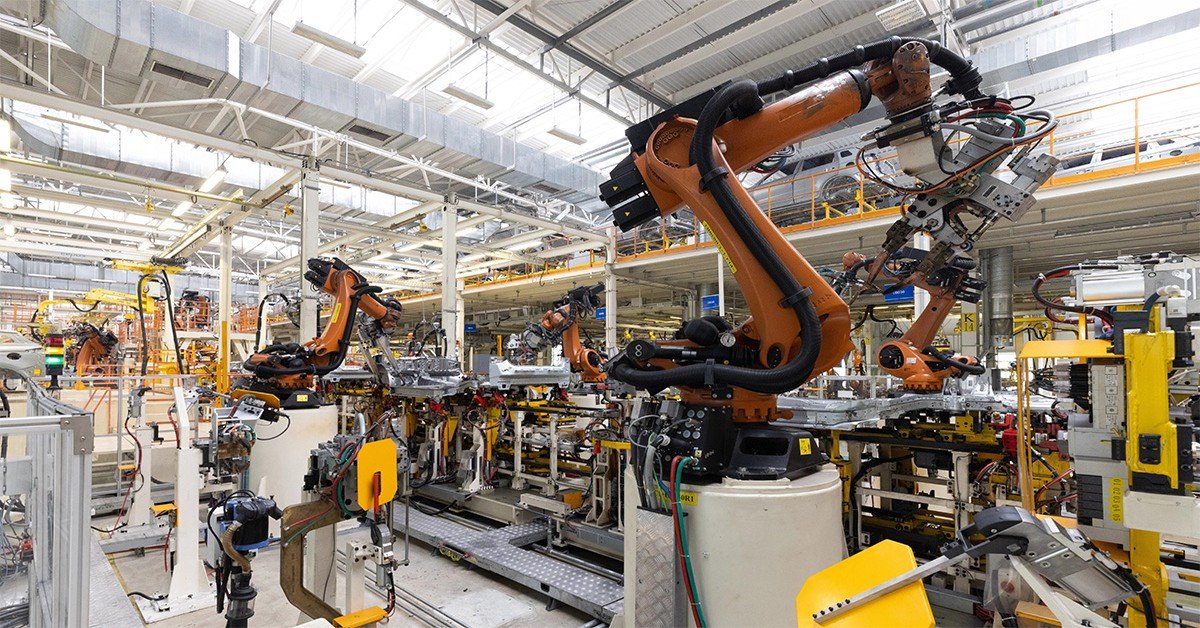
Manufacturers rethinking industrial projects tied to electric vehicles
Several major U.S. industrial projects are facing delays, cancellations and changes in scope thanks to sluggish sales of electric vehicles, according to a report from CommercialCafe, a market analytics platform operated by Yardi Matrix, a subsidiary of property management technology firm Yardi Systems.
EV sales in the U.S. dropped 23.8% in the first half of 2026, with 462,892 vehicles sold compared to 607,653 in the first half of last year. China also saw interest in EVs level off, but the battery-powered cars still amounted to about 60% of the nation’s auto sales.
Sluggish EV sales are well below projections, which has hurt the industry’s expansion in the U.S. At least 10 major factory projects to develop EV batteries have been canceled, according to the Federal Reserve Bank of Dallas. The projects represented an estimated $10 billion in potential investment. The planned start dates for other plants under construction have been pushed out, and it remains unclear whether many of those projects will be completed.

Other facilities, including Panasonic’s 4.7 million square foot industrial project in De Soto, Kan., will divert space from making EV batteries to producing batteries for data centers. Ford’s $5.6 billion BlueOval City plant in Tennessee, which covers about 6 square miles, was originally planned to build electric trucks, but will now be used to assemble traditional gas-powered trucks.
At the beginning of the Biden administration, there was a major push to support the EV movement with generous tax credits for buyers and the spending of billions of dollars for charging stations and other infrastructure across the country. But in recent years, U.S. automakers have been backing away from developing the battery-powered vehicles due to a variety of reasons, including cost and technological difficulties.
The New York Times reports that during the second Trump administration, the EV tax credit was eliminated and tailpipe emission standards were eased, which quickly reduced the market for EVs. Major U.S. carmakers, such as Ford and General Motors, switched their focus to traditional gas-powered models. The result has been a decrease in the industrial infrastructure needed to build and maintain EVs.
According to sales figures around the world, the slowdown in EV sales seems to be generally an American problem. The International Energy Agency estimates that 20 million electric cars were sold worldwide last year, an increase of 20% over 2024 sales. The European EV market grew by 30% in 2025 and accounted for 28% of all auto sales in the region.
Slow markets in China and the U.S. during the first quarter of 2026 pushed sales down 8% year over year to 3.9 million cars worldwide. But other countries are expected to take up the slack, and total sales for 2026 are expected to increase to 23 million cars. More than 100 countries recorded electric car sales growth in 2025, and many experts expect that growth to continue.
Despite changes to federal regulations in the U.S. that have raised barriers to EV production, CommercialCafe reports that the sector’s prospects remain positive. One bright spot is that the nation’s charging infrastructure continues to expand, allowing more convenience and less stress for EV owners.
“Adjustments in the push for mass adoption are in the making, whether that is lessening the financial point of entry for full EV offerings or shifting some of the existing technology to support hybrid models that could entice new buyers,” said Peter Kolaczynski, director of Yardi Research, in a press release. “The long-term industrial manufacturing upside remains. However, a realistic timeline will need to be extended.”