Taxation and Other Laws Amendment Bill tabled in Lok Sabha: UPI charges, tax measures — What it intends to change
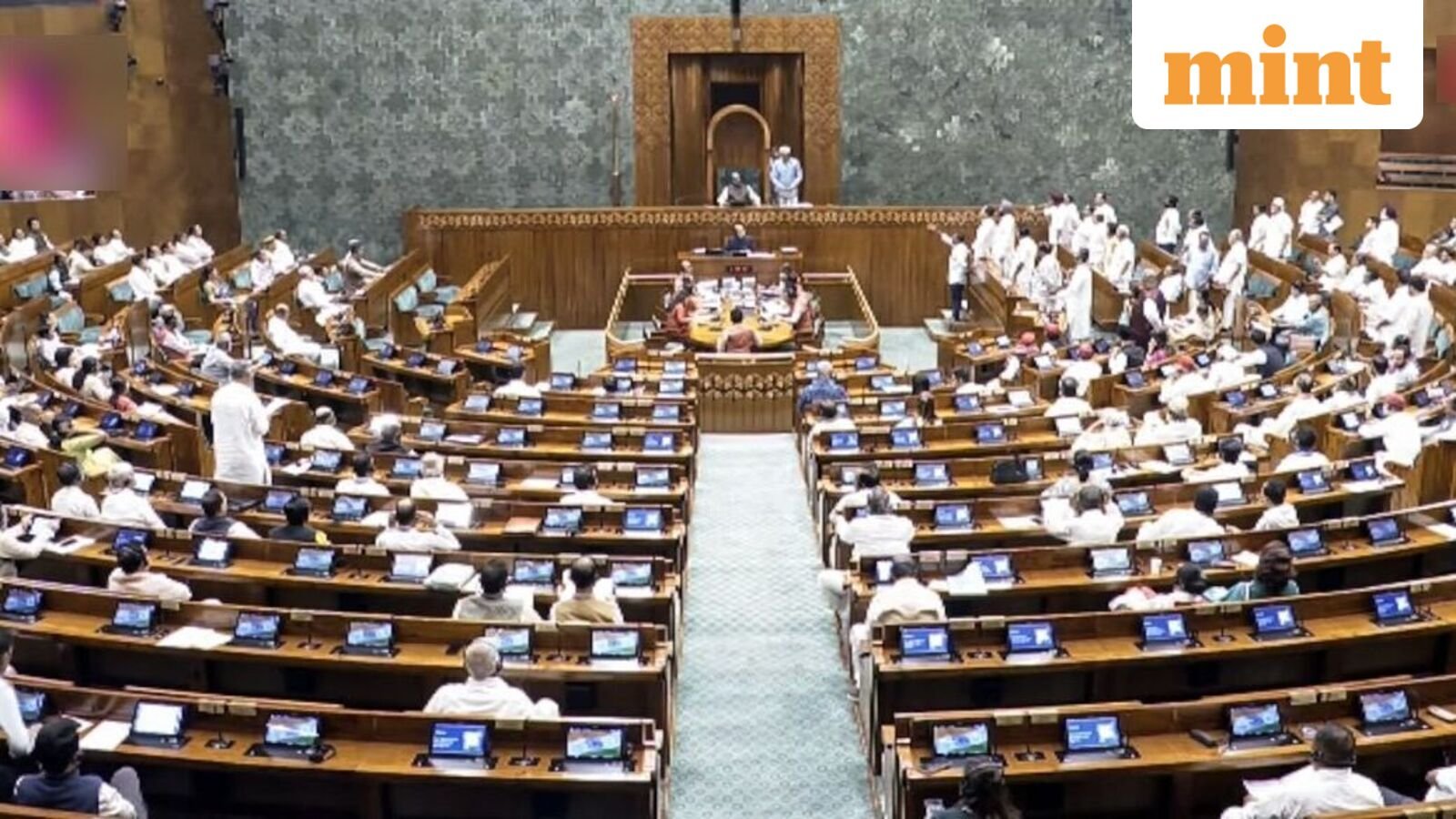
Union Minister of Finance Nirmala Sitharaman tabled the Taxation and Other Laws (Amendment) Bill, 2026, in Lok Sabha on 4 August (Tuesday).
News agency PTI reported that the legislation seeks to replace the Income-tax (Amendment) Ordinance, 2026, and proposes a series of amendments to the Payment and Settlement Systems Act, 2007; the Income-tax Act, 2025; and the Finance Act, 2027.
Today, we take a look at the key provisions in the proposed series of amendments and what it intends to change for customers, residents and entities in India.
Digital Payments
Proposed amendments to the Payment and Settlement Systems Act, 2007, in effect bring back merchant discount rates on transactions conducted through the unified payments interface, with the aim to “fund UPI’s next phase of growth”.
The new Bill proposes allowing MDR on UPI. This will be done by scrapping the zero-MDR provision under Section 10A, which bars banks and payment system providers (PSPs) from imposing charges on digital payments.
The bill states that “no bank or system provider shall impose, whether directly or indirectly, any charge upon a person making or receiving a payment by using one or more electronic modes of payment as may be notified by the Central Government”.
Tax measures: FDI, electronics manufacturing, data centres
Through amendments to the Income-tax Act, 2025, the legislation also proposes a number of tax-related measures covering foreign investment, electronics manufacturing, fund management, data centres, the diamond industry and business trusts.
- On corporate taxation, the government has proposed increasing the surcharge from 10% to 25% for Special Purpose Vehicles (SPVs) opting for the new tax regime, while retaining the surcharge at 10% for other domestic companies.
Monsoon session of Parliament: 5 bills passed so far
Five Bills have been passed by the Lok Sabha during the current Monsoon Session, the PTI report added.
- Of these five, the Public Examinations (Prevention of Unfair Means) Amendment Bill, 2026 and the Prevention of Insults to National Honour (Amendment) Bill, 2026 have been approved by both the lower and upper houses of Parliament.
- Meanwhile, the Registration of Births and Deaths (Amendment) Bill, 2026, the Appropriation (No.3) Bill, 2026 and the Supreme Court Judges (Number of Judges) Amendment Bill, 2026, which seeks to increase the sanctioned strength of the apex court from 34 to 38 judges, are awaiting consideration in the Rajya Sabha.
(With inputs from Agencies)