Government admits no assessment of burden facing landlords
9:45 AM, 30th July 2026, 46 minutes ago
2
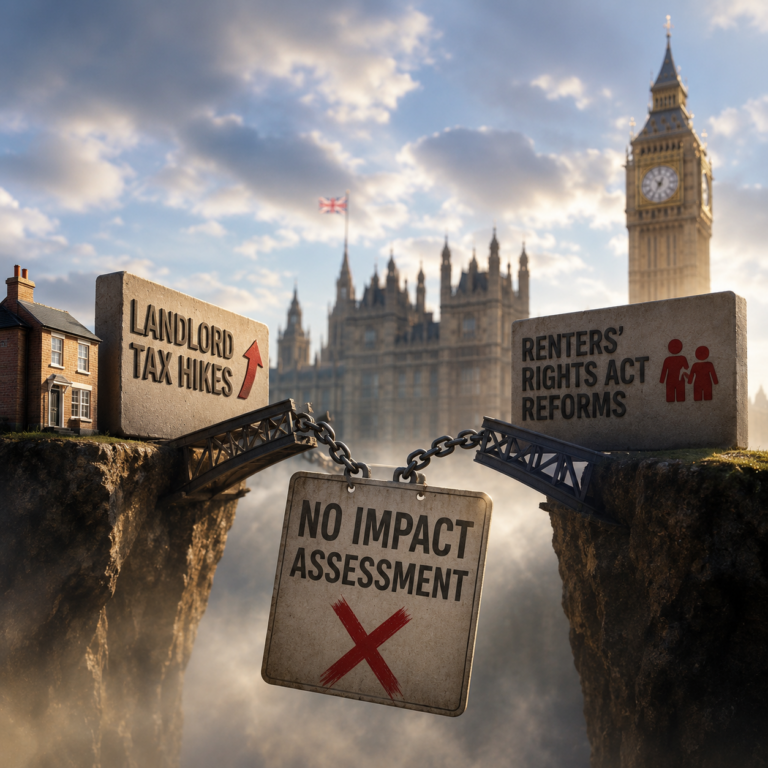
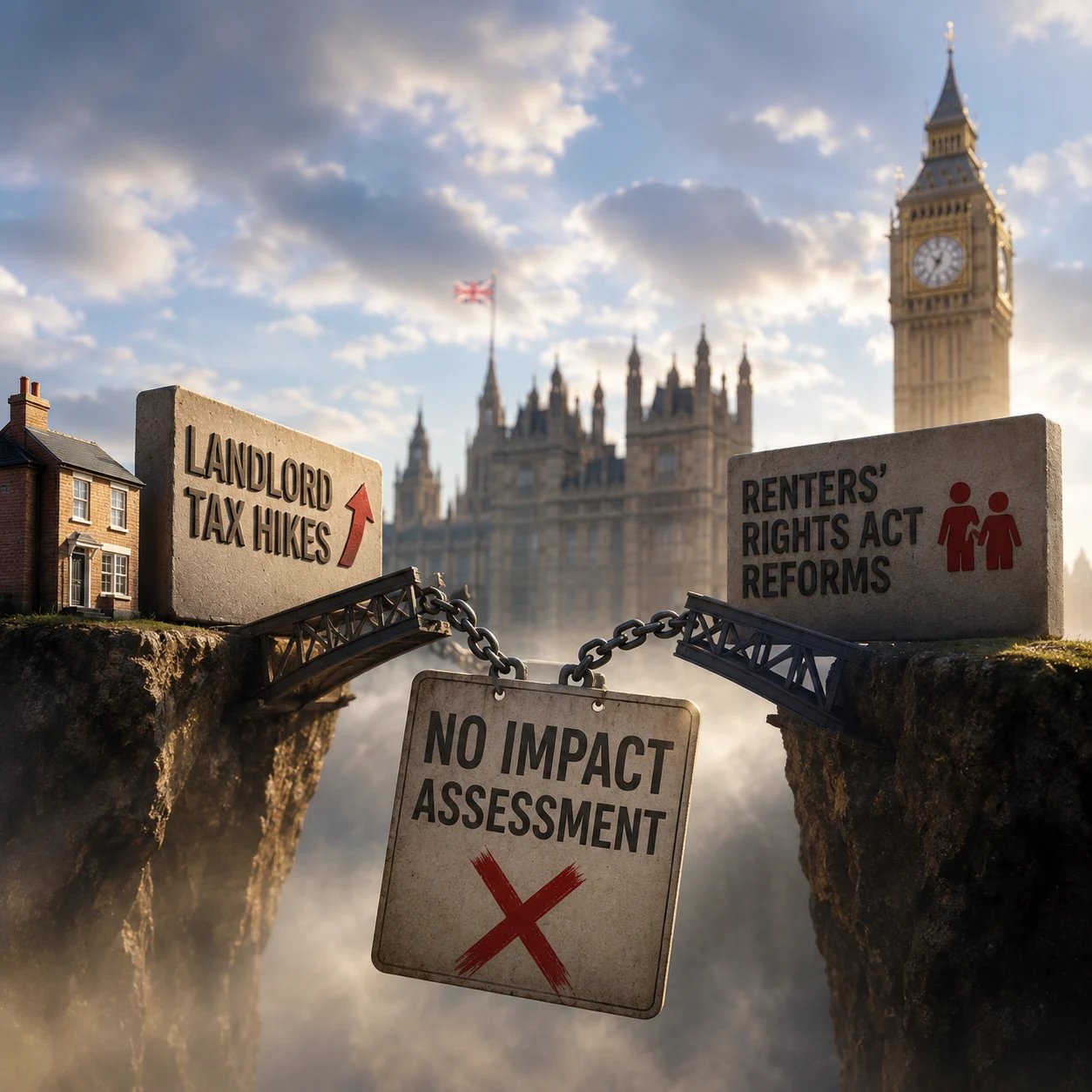
The government has confirmed it carried out no assessment of the combined impact of landlord tax hikes and Renters’ Rights Act reforms.
In a written parliamentary answer, Baroness Taylor of Stevenage said the government had made “no single assessment” of the cumulative costs landlords will face from the Renters’ Rights Act alongside planned tax changes.
No single assessment
In a written parliamentary question, Lord Truscott asked: “What assessment the government have made of the combined cost of new regulatory measures under the Renters’ Rights Act in addition to proposed tax increases for the average landlord”.
Baroness Taylor of Stevenage said: “My department has made no single assessment covering the combined cost of the measures in the Renters’ Rights Act and proposed tax increases.
“Last year’s Budget, the government announced a 2ppt increase to the rate of property income to be introduced from April 2027. This is to help narrow the gap between taxes paid on work and paid on income from assets. An assessment of this policy was published in a Tax Information and Impact Note.”
In the impact notice, it claims the 2ppt increase would be “negligible”.
It said: “By 2029 to 2030, 2.4 million landlords (6% of taxpayers in 2029 to 2030) will face an increase in tax as a result of this measure. Administratively, this measure will affect individuals (including partners in partnerships) with profits from property rental income. It is anticipated that both the one-off and ongoing administrative burdens for these individuals will be negligible.”
Hit renters and landlords
However, industry figures have previously warned that the combined impact of rising taxation and increased regulation could push more landlords to exit the private rented sector.
Jonathan Stinton, head of mortgage relations at Coventry Building Society, said: “Hiking property income tax won’t just hit landlords, it will hit renters in the pocket too. When the cost of being a landlord rises, those pressures almost always find their way into monthly rents, meaning those who don’t own a home pay the price.
“A similar rise to tax on dividends means the cost will also go up for landlords who hold their property in a limited company.
“The more landlords are taxed the less appealing it is to let a property, which could lead to fewer landlords and reduced choice for landlords. The simple but powerful forces of supply and demand would then push rents higher, making it much more difficult to rent a home. First-time buyers who are trying to save a deposit while renting could especially struggle and worry that their homeownership dreams are pushed even further out of sight.”
Sam Humphreys, head of M&A at Dwelly, said: “The rise in property income and dividends tax presents all types of landlords with yet another obstacle to adapt to at a time when they are already absorbing significant operational changes under the Renter’s Rights Act.”